
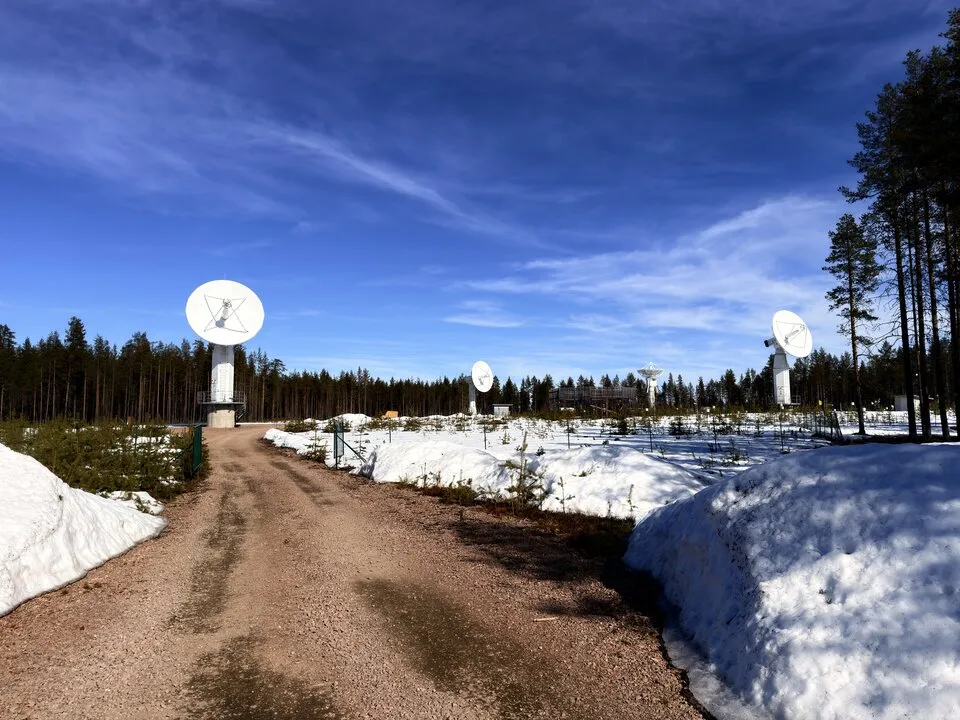
The plan is to equip the site with advanced environmental measuring technologies, also involving the Kelluu airship carrying sensors to perform regional surveys. Basically, evolving the existing Finnish Arctic Space Centre into a supersite for Earth observation.
The space agency says it is working together with the Finnish Meteorological Institute, Spaceconomy, and other, unnamed, Finnish industrial partners. And the hope is that the supersite will open up opportunities for Finnish companies to develop and test advanced environmental sensing technologies. And also compare them with reference sensors in place.
Sodankylä
Why Sodankylä? The large unpopulated arctic is suited for mapping and monitoring by Earth Observation satellites. The agency describes the site as an “ideal natural laboratory to further develop the role and capabilities of satellite-based Earth observation and sensors to monitor, understand and predict future environmental trends in this area”.
“The new supersite will play a fundamental role in helping us further develop the role and Europe’s capabilities in monitoring the Arctic from space,” said the Head of ESA’s Earth Observation Campaigns, Malcolm Davidson.
“For instance through upcoming satellite missions such as Copernicus Anthropogenic Carbon Dioxide Monitoring mission and the Copernicus Radar Observing System for Europe at L-band mission – two of the Copernicus Sentinel Expansion missions. Since the Arctic is sparsely populated and covers a large area, Earth observation satellites are the key to mapping and monitoring the unique and fragile Arctic region.”
The ESA says it is now proceeding with the procurement and installation of the new sensing instruments. Additionally, it will be implementing airborne sensing campaigns supported through its FutureEO programme.
For example, new instruments that will be coming to the site include a new tower-based multifrequency radiometer. And there will be novel greenhouse gas sensors.
Lapland facilities
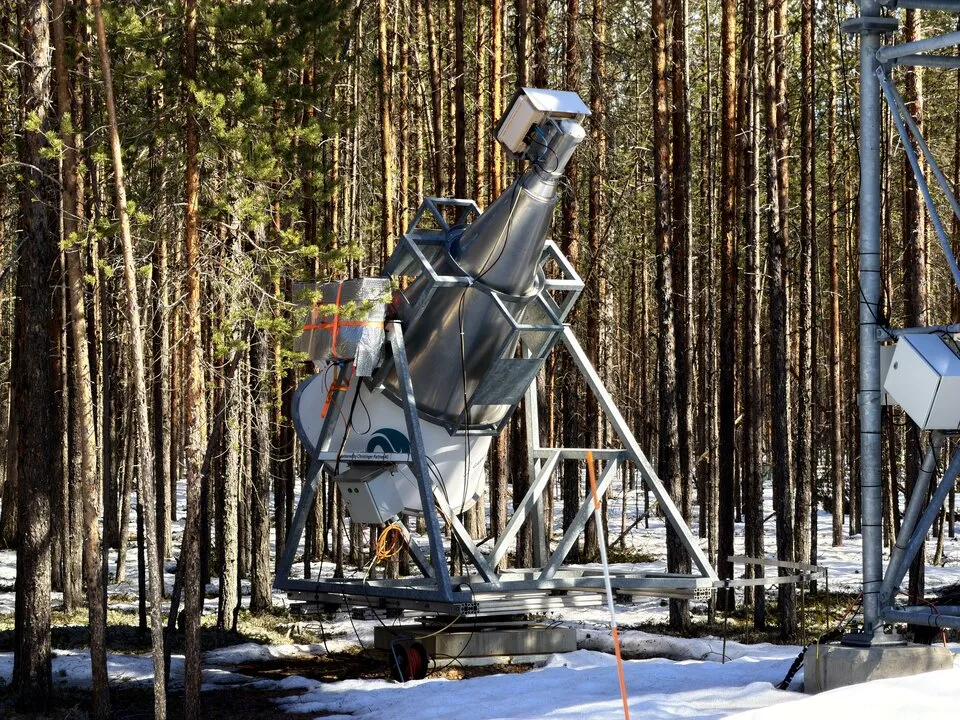
Lying above the Arctic Circle, Sodankylä, in the Lapland region, is representative of the wider boreal forest biome.
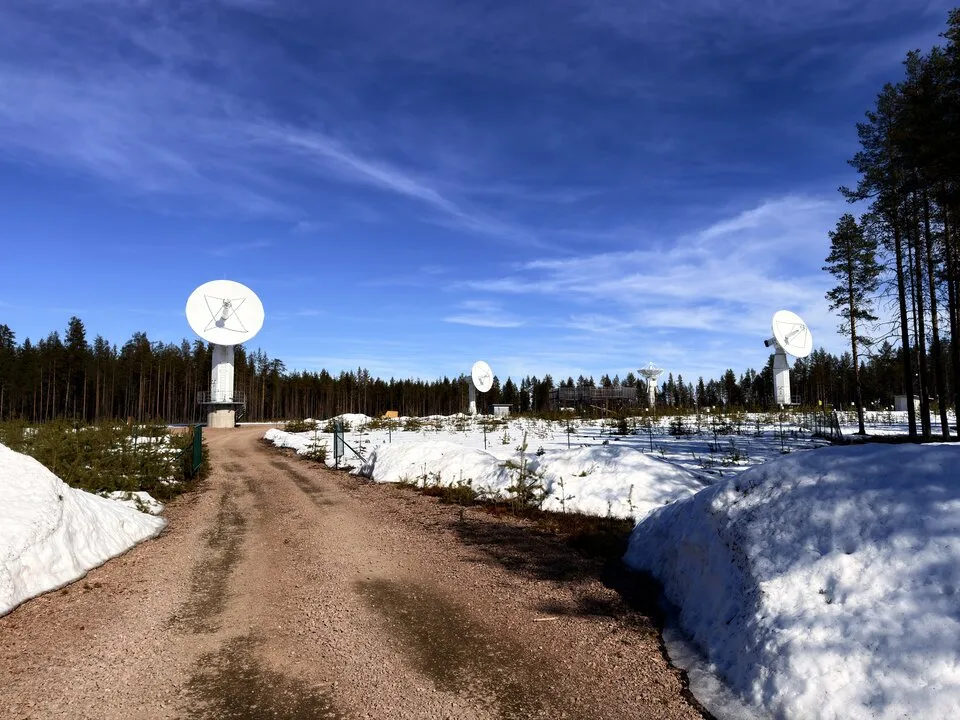
The site currently has five active satellite antennas. Four of which are large with a diameter of 7.3 metres, and one smaller antenna of three metres.
There is also a reception station and a supercomputer-level data processing, storage and distribution centre.
Image: ESA – (top) Satellite antennas at the Sodankylä site (bottom) Radiometer at the site
See also: Finland Joins NATO [Mannerisms]