
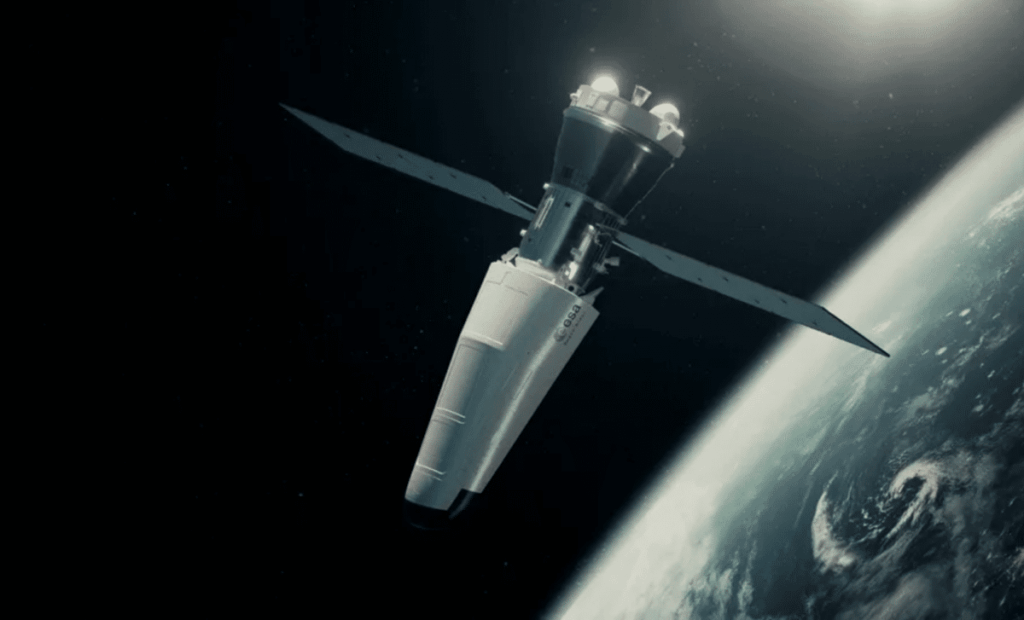
Europe’s space ambitions have taken a giant leap forward as the European Space Agency (ESA) advances its groundbreaking Space Rider spacecraft. This reusable, uncrewed vehicle is set to transform how Europe conducts space missions. Recent tests, including rigorous reentry simulations and the assembly of a full-size drop-test model, are critical milestones, signaling ESA’s readiness to revolutionize orbital travel. These developments are not just about technological innovation; they represent Europe’s first real step into the competitive world of reusable spacecraft.
Major Milestones in Thermal Protection and Guided Landing Systems
One of the most significant challenges for any spacecraft is reentering Earth’s atmosphere safely. The Space Rider spacecraft is no different, but recent tests have marked considerable progress. ESA engineers subjected the spacecraft’s thermal protection system to extreme conditions, simulating the intense heat of atmospheric reentry. Using the largest plasma wind tunnel in the world at the Italian Aerospace Research Centre (CIRA), ESA exposed the spacecraft’s components to temperatures reaching up to 2,900°F (1,600°C). This crucial test ensures that Space Rider can survive the fiery descent back to Earth.
The thermal protection system also underwent tests to simulate how it would react if damaged by debris or micrometeoroids. Engineers deliberately introduced defects into the tiles and exposed them to the plasma jet, providing valuable insights into how Space Rider will handle less-than-ideal reentry conditions.
The success of these tests is a critical milestone in ensuring the spacecraft can return safely and continue its journey toward reusability. ESA’s long-term vision for Space Rider is to create a fully reusable spacecraft that can conduct regular missions without the need for significant refurbishment after each flight.
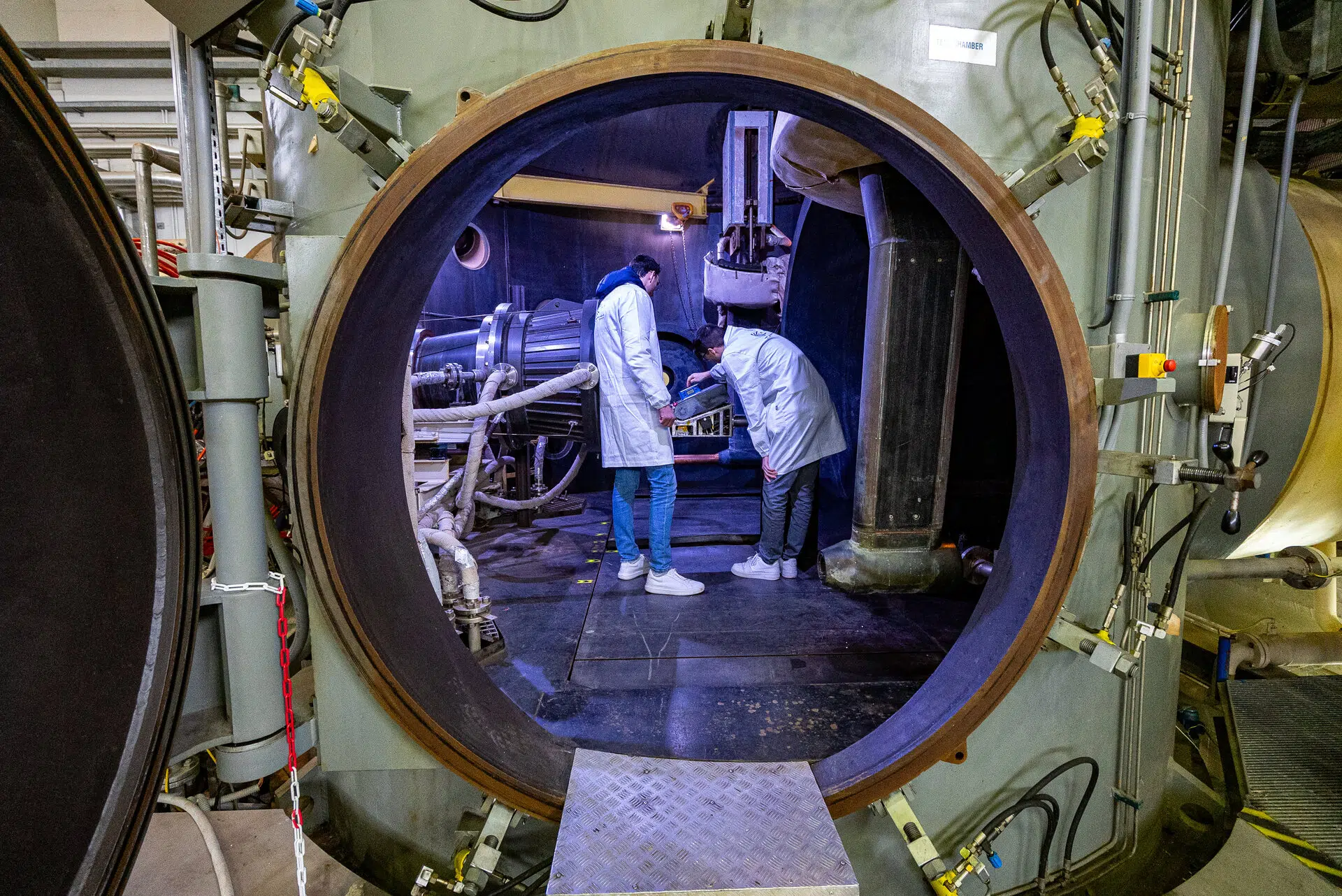 Enabling & Support Team placing Space Rider’s reentry module parts inside the plasma wind tunnel Credit: ESA
Testing Precision Landing Systems for the Future of Orbital Recovery
While surviving reentry is crucial, it’s just one part of the equation. Once it reaches Earth’s surface, Space Rider needs to land precisely to be reused. Unlike other spacecraft that rely on parachutes or splashdowns, ESA’s Space Rider uses a lifting-body design without wings. Instead, it deploys a steerable parafoil to control its descent and make a runway-style landing. This innovative system provides the spacecraft with greater control during landing, offering more predictable outcomes and faster recovery times.
ESA’s engineers have already completed the assembly of a full-size drop-test model of the spacecraft. This model carries the spacecraft’s avionics and onboard software, designed to autonomously control the parafoil during descent. The spacecraft will undergo several helicopter drop tests later this year at the Salto di Quirra range on the Italian island of Sardinia. These tests will focus on the final phase of the flight, mimicking conditions close to an actual landing but without the full reentry sequence. By focusing on this critical stage of the flight, ESA is refining the spacecraft’s ability to land with precision.
A New Era in European Space Exploration
ESA’s commitment to developing the Space Rider spacecraft marks a new chapter in Europe’s space exploration efforts. The spacecraft’s design and reusability offer exciting possibilities for conducting orbital missions on a regular basis. It is not just a tool for research, but a stepping stone toward more sustainable and efficient space missions.
With Space Rider poised to revolutionize the way we think about space vehicles, ESA’s efforts could have far-reaching implications. The spacecraft will play a vital role in advancing Europe’s capabilities in space research, technology demonstrations, and satellite servicing. The success of these ongoing tests is critical to Europe’s long-term space strategy, ensuring that the continent remains at the forefront of space exploration.
As ESA prepares for the next phase of testing, the Space Rider is closer than ever to taking flight, bringing Europe one step closer to joining the ranks of nations capable of regularly launching and recovering reusable spacecraft. These innovations will shape the future of space exploration for generations to come.