
Consider with me for a moment an idea that might change your view of history entirely: imagine that we live today inside a "physical cage" that has shortened our lifespans, while our ancestors lived in a completely different world. I propose the hypothesis that the Earth was once surrounded by a "water canopy"—a vast, dense layer of water vapor that enveloped the planet like a giant dome. This canopy was not just an ordinary cloud; it was a natural cosmic shield that blocked harmful radiation from space while simultaneously raising atmospheric pressure to levels we cannot imagine today. Imagine breathing highly compressed air, many times greater than our current pressure, where this pressure acts like a hydrostatic suit supporting your body and making oxygen flow into your cells with miraculous efficiency. These conditions were not merely marginal physical details; they were the key to a completely different life—a life where cells regenerated rapidly and aging slowed to an almost unbelievable degree.
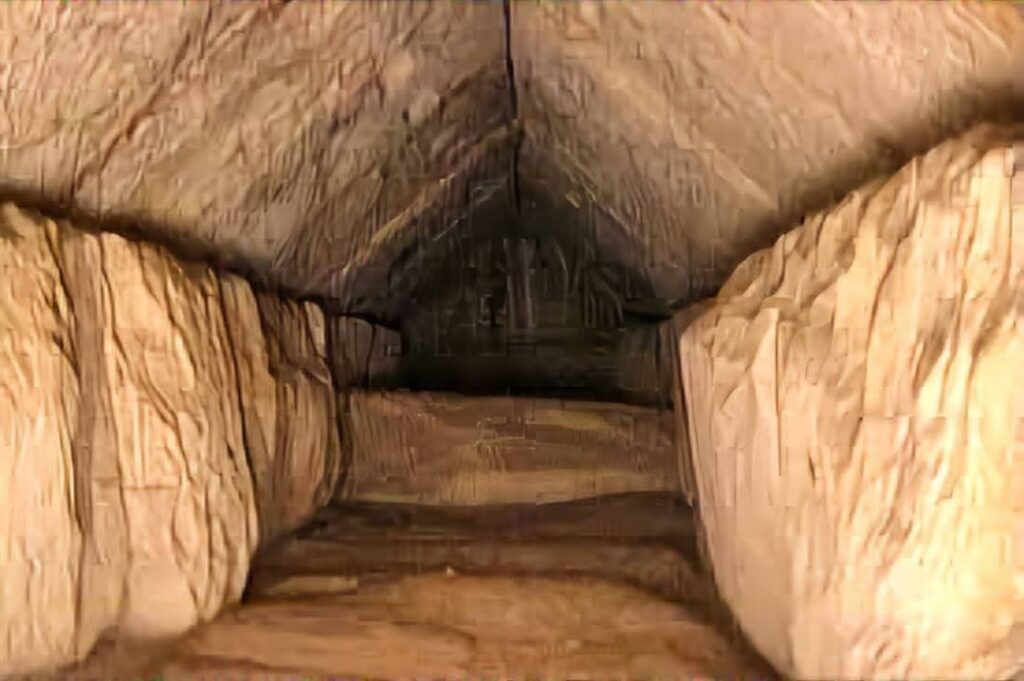
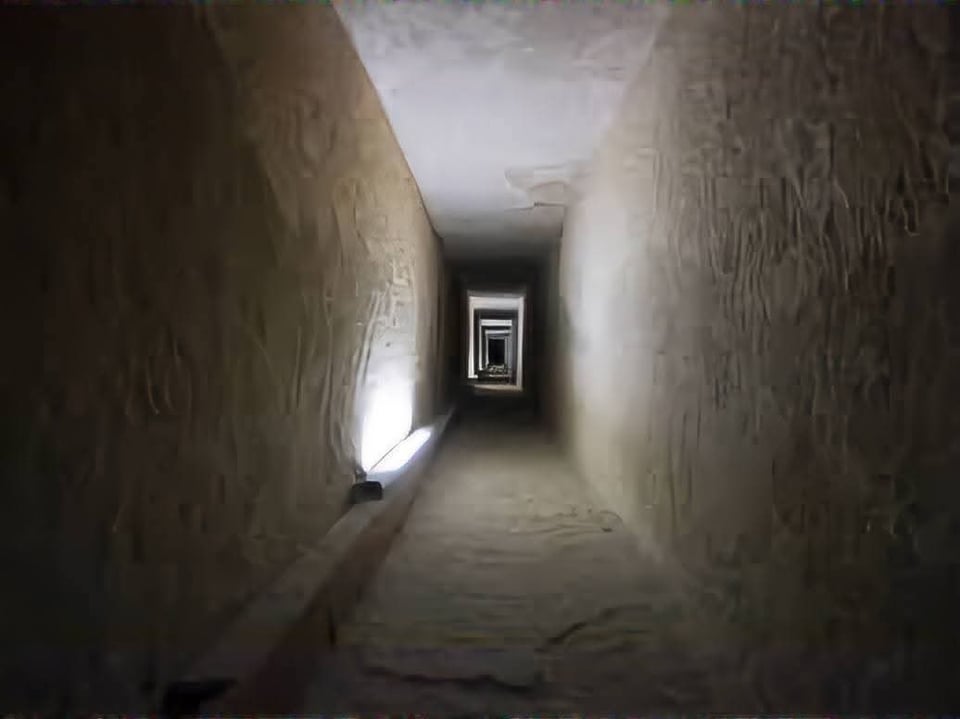
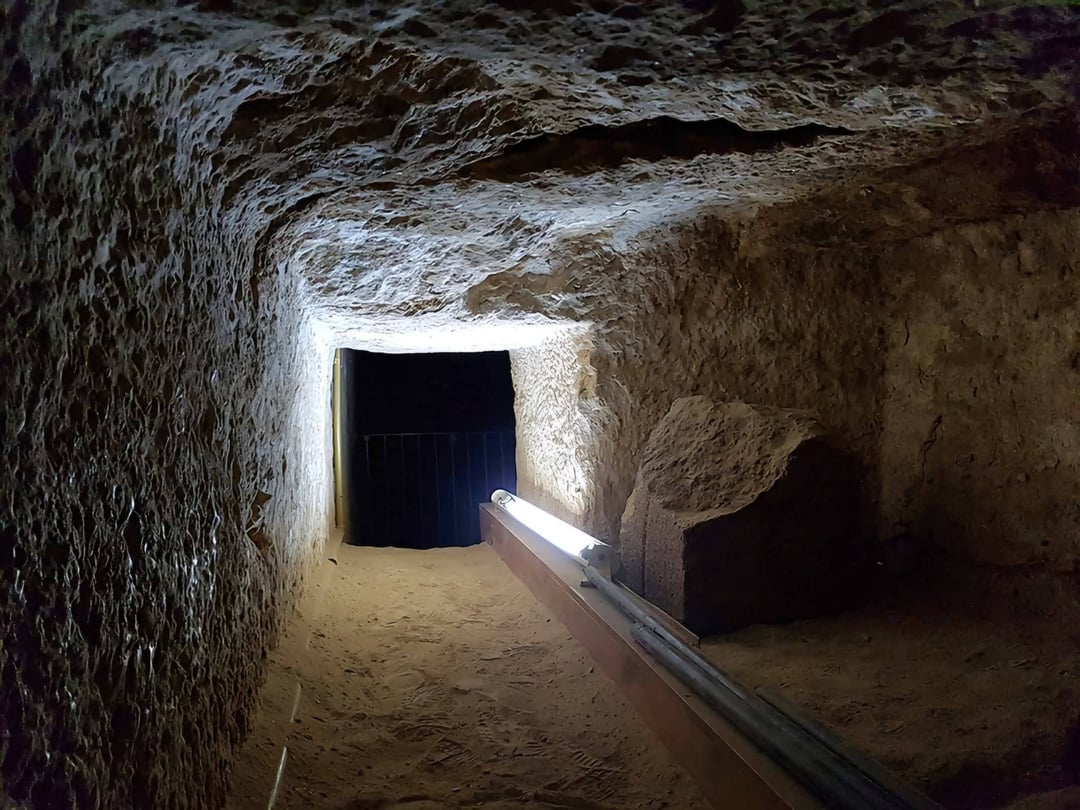
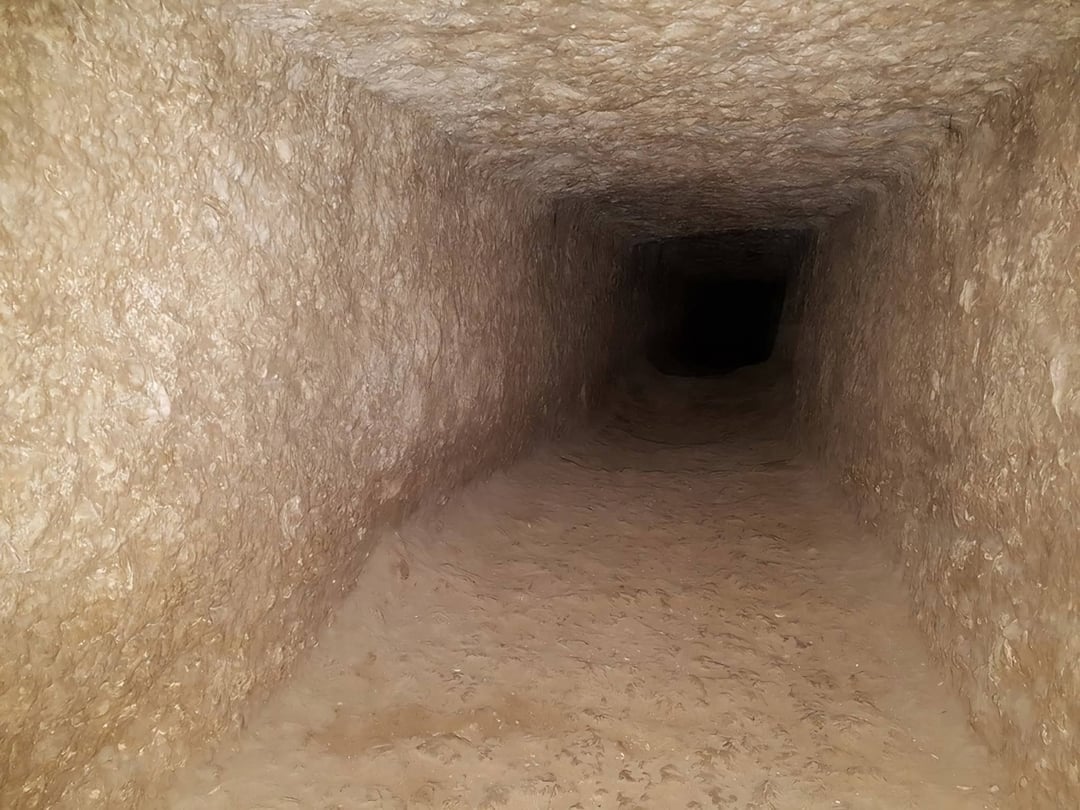
But my hypothesis does not stop at biophysics. I believe that the Earth functioned as a super energy system, a giant conductor of energy, and that ancient humans benefited from this system through stone structures like the pyramids. These structures were not just tombs or temples; they were real power stations for charging bodies with energy. Perhaps this was the lost "Garden of Eden" that all myths speak of: a perfect environment, high pressure, flowing energy, and lifespans stretching for centuries. Then came the flood. When the water canopy collapsed, everything fell apart. Imagine that moment: massive amounts of water falling from the sky for weeks, not as ordinary rain, but as an entire ocean crashing down onto the Earth. Atmospheric pressure dropped suddenly, and cosmic radiation poured in fiercely for the first time. This is where rapid biological deterioration occurred: telomeres—those protective caps at the ends of our chromosomes—began to erode quickly, and aging and early death emerged as a new reality.
I base my argument on astonishing evidence. Ancient historical records are filled with figures who lived extraordinarily long lives: Dumuzid in Sumerian epics, who reigned for over thirty thousand years; Thoth, the Egyptian scribe god, who lived for thousands of years; and Methuselah in biblical tradition, who reached 969 years. I do not consider these numbers mere myths; rather, I see them as remnants of genuine human memory from an era when the laws of life were different. Then there is the physical evidence: air bubbles trapped inside amber from millions of years ago. When scientists like Ralph Taphart analyzed them, they found oxygen levels as high as 32% (compared to 21% today), high concentrations of noble gases, and double the atmospheric pressure. These are not legends; these are proofs preserved in fossils. Even the existence of giant creatures in the past—from dinosaurs to enormous insects and plants—becomes logical under this model: high pressure allows massive bodies not to collapse under their own weight. I believe that the giants spoken of in every culture were not impossible in that world.
I conclude from all this that we live today inside a physical cage that has shortened our lifespans. What we call "aging" may simply be an environmental disease acquired after the canopy fell, not an inevitable biological fate. The question I leave hanging in the air is: what if, through environmental engineering or high-pressure technologies, we could recreate a small part of that perfect environment?
My posts are continuously being deleted by some moderators of this group, so follow me. Soon, we will establish a group for open-minded thought, far from the oppressive censorship of Reddit's hostile groups.
by Professional-Fee3323
5 Comments
They removed again
https://preview.redd.it/hto3ri698wvg1.jpeg?width=1080&format=pjpg&auto=webp&s=b2023a5f4d8142f768e5fd8c865927444197eb8d
Yeaaah he paid for more tokens, so we get more Water Canopy lore !
Just stop.
Well if historical records are only what you chose to call historical, of course it’s easier. Historical records are full of women who could change their skin and become birds. They are also full of cyclops, giants with several arms, etc.
Citations needed