
Your brain is a prediction machine. Friston's predictive processing model says it's constantly generating predictions about what happens next, comparing them against sensory data, and updating. The error signal is the whole point. With no feedback, no learning. No arguments here.
Now lets scale that up — an oral tradition is a multi-generational prediction engine. Each generation inherits the model, runs it against reality, and passes on a slightly updated version.
And the thing almost nobody points out is the feedback channel isn't optional, and it isn't uniform. Some predictions get checked every season. Others can never be checked at all.
Maori maramataka predicts shellfish availability by lunar phase. Every tide tests it.
Andean farmers use Pleiades visibility to predict El Niño rainfall months ahead. Every harvest tests it.
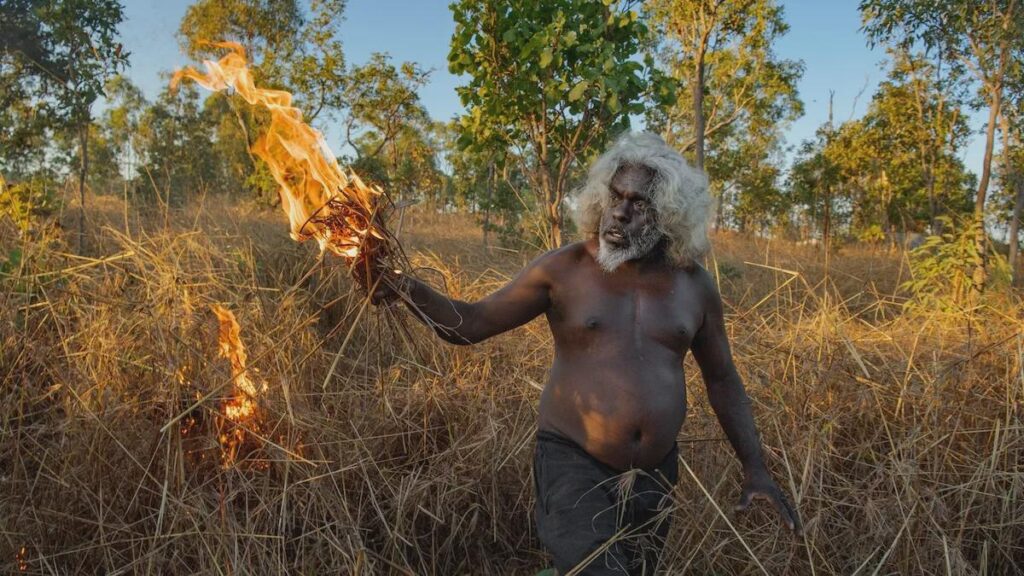
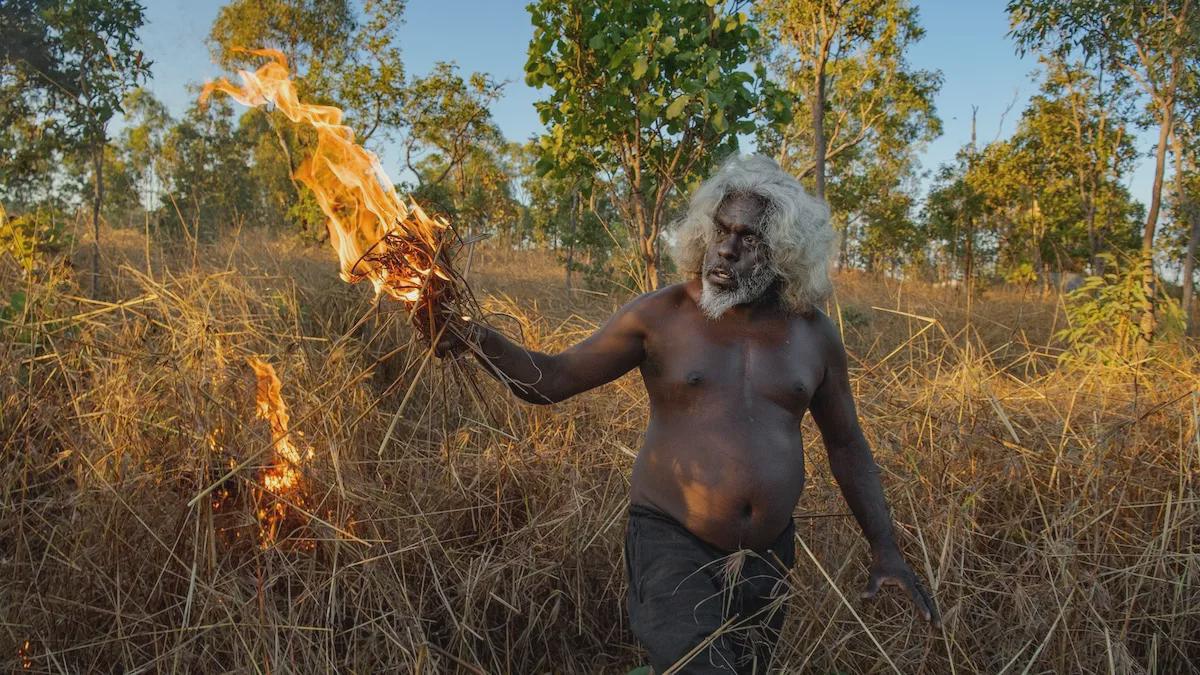
Aboriginal fire management predicts which country burns cool and which burns hot, which species return after a burn, how long between burns for each landscape. Every fire season tests it. Wrong prediction and the wrong things burn, or the right things don't come back. The knowledge is still there 60,000 years later because reality kept grading the homework.
These traditions survived millennia with high accuracy because reality was running the error correction for free.
Creation myths, afterlife cosmology, origin stories. No tide. No harvest. No feedback. The "prediction engine" is still running, but it's running open-loop.
So this is the "provocative" claim: the cultures we call "mythological" weren't making worse predictions. They were making predictions in a channel where error correction was structurally impossible.
Most "lost ancient knowledge" claims sit in the low-observability bucket. Which ones do you think actually belong in the high-observability one?
by tractorboynyc
1 Comment
The oldest oral story that we can verify is about a volcanic eruption the Aboriginal people of Australia witnessed [37000 years ago](https://www.sciencemag.org/news/2020/02/aboriginal-tale-ancient-volcano-oldest-story-ever-told). You can look into aboriginal songlines and memory palaces for more info on how a story can continue to persist after so many generations.