
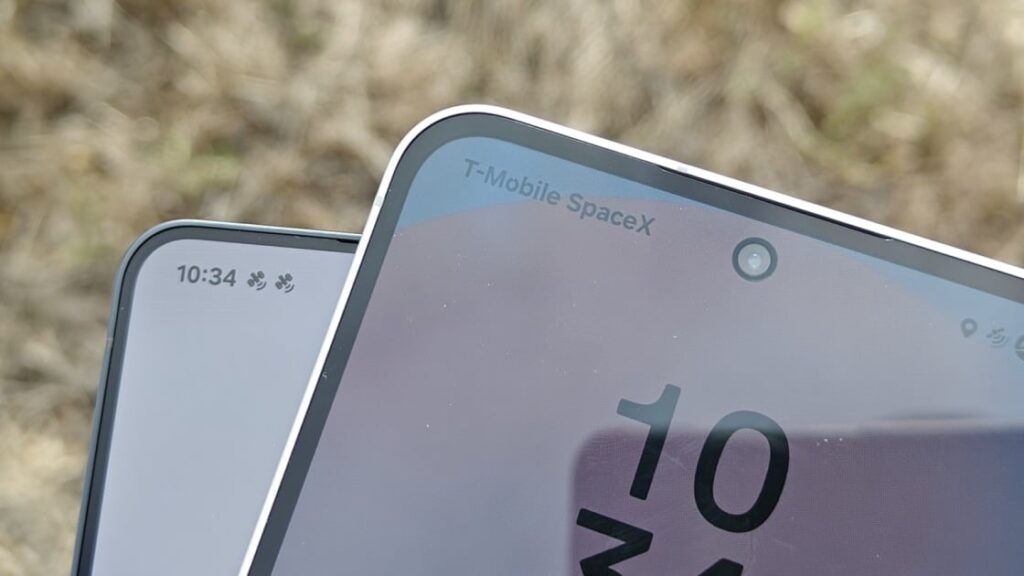
Satellite-to-phone services such as Starlink Mobile, which help users remain connected in cellular dead zones, might be all the rage in the telecommunication industry. But a new report raises questions about whether US customers are actually using the technology.
Speedtest.net’s parent company, Ookla, published a report offering a rare glimpse into the satellite-to-phone market, covering US and international usage of Starlink Mobile, Skylo, and Lynk Global for Android phones. It collected data from people who installed the Speedtest Android app and connected to a satellite service. The report finds that the percentage of users accessing satellite technology in the US and Canada has decreased in recent months.

Percentage of Speedtest Android app users activating satellite services. (Credit: Ookla)
“This may be due to a variety of factors, including season usage trends (people tend to travel less during the winter),” Ookla’s industry analyst Mike Dano wrote. Another factor is that SpaceX’s partner, T-Mobile, began charging for access to Starlink Mobile in July, except for customers on its most premium plans. Rogers Communications in Canada did the same in December.

Unique users in Canada (Credit: Ookla)
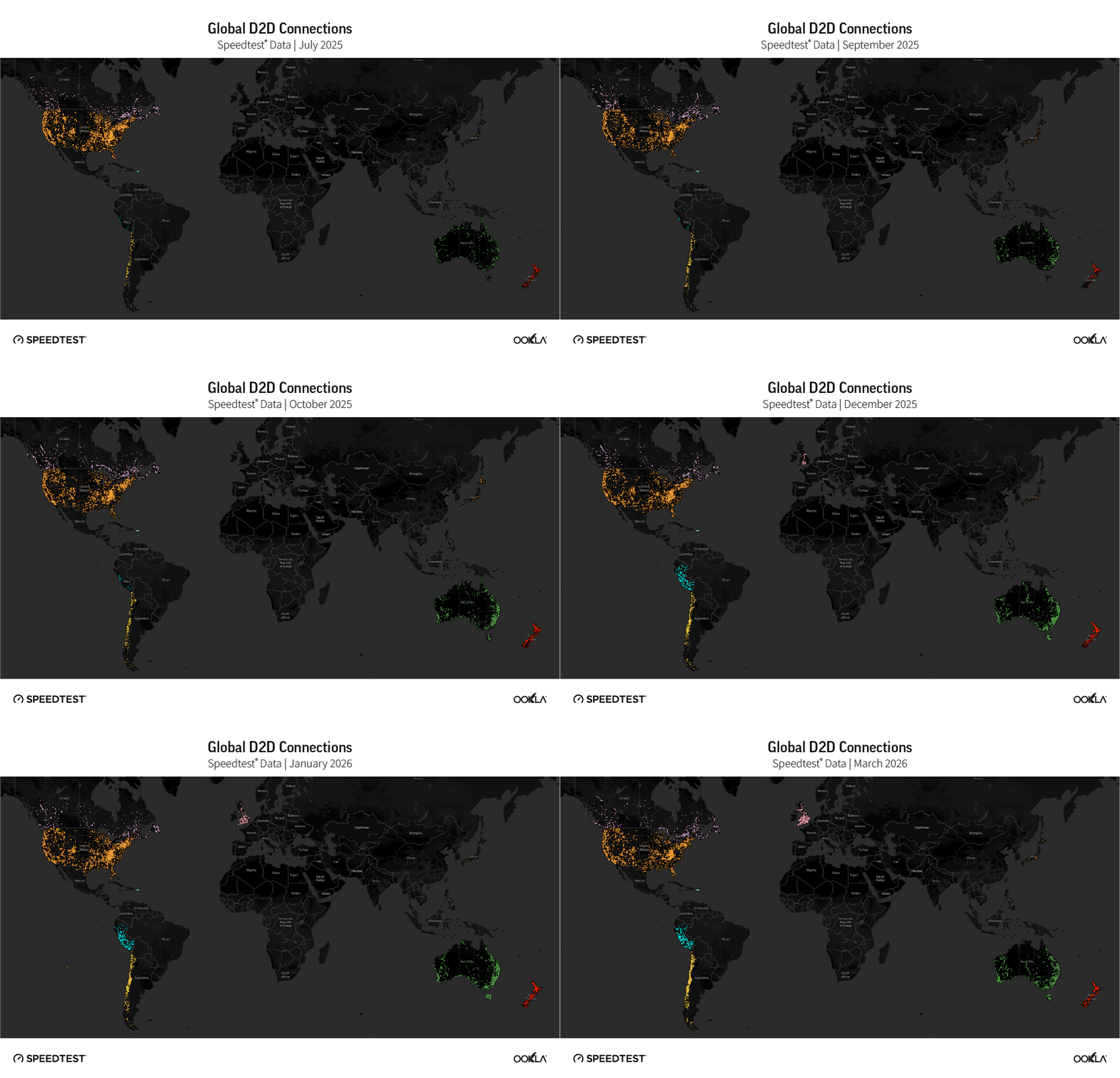
Globally, satellite-to-phone connections grew 24.5% from July 2025 to March 2026 when Starlink Mobile began offering service in countries such as Peru, Ukraine, and the UK.
But again, only a small percentage of mobile users have been connecting to the satellite-to-phone services across those markets. “For example, during March 2026, 0.46% of Speedtest users in the US recorded a connection to a D2D [direct to device] satellite,” Dano wrote. “In Chile, that figure was 1.26% (the highest). In Canada, it was 0.70%. In Japan, it was 0.11% (the lowest). This is noteworthy because it helps to define the scale and scope of the overall D2D marketplace.”
It’s not exactly a surprise. Satellite-to-phone services remain bandwidth-constrained and primarily focus on enabling users in cellular dead zones to send text messages, though Starlink Mobile can power select apps and even video calls. In contrast, users on traditional cell tower networks can easily consume gigabytes of data for heavy use.
It’s also important to note Ookla’s report only gives us a snapshot for Android usage; it doesn’t include Globalstar’s satellite services on Apple iPhones, which have been estimated to hold over half of the US market share.
Still, satellite industry analyst Tim Farrar weighed in on Ookla’s report, tweeting: “Heavily seasonal nature confirms D2D is episodic, just like traditional MSS [mobile satellite service] messengers, and hardly anyone cares to use the service, even with free access.”
Recommended by Our Editors
That said, it’s early days for the satellite-to-phone market. SpaceX and rivals AST SpaceMobile and Amazon are developing new and upgraded satellite systems that promise faster speeds and greater capacity in the coming years. SpaceX is also touting 5G speeds and up to 150Mbps downloads per user once it begins rolling out a second-gen Starlink Mobile system next year.
But there’s an ongoing debate over whether customers will actually pay for such services, especially if they rarely find themselves in a cellular dead zone. In December 2024, the CEO of Globalstar, which Amazon has since acquired, was doubtful that customers would pay, given that Apple had been offering satellite features for free on eligible iPhones.
Farrar added that increased usage of Starlink Mobile and other satellite services isn’t necessarily a positive either, noting it could cause network congestion and lower speeds for other users.
About Our Expert

Michael Kan
Principal Reporter
Experience
I’ve been a journalist for over 15 years. I got my start as a schools and cities reporter in Kansas City and joined PCMag in 2017, where I cover satellite internet services, cybersecurity, PC hardware, and more. I’m currently based in San Francisco, but previously spent over five years in China, covering the country’s technology sector.
Since 2020, I’ve covered the launch and explosive growth of SpaceX’s Starlink satellite internet service, writing 600+ stories on availability and feature launches, but also the regulatory battles over the expansion of satellite constellations, fights with rival providers like AST SpaceMobile and Amazon, and the effort to expand into satellite-based mobile service. I’ve combed through FCC filings for the latest news and driven to remote corners of California to test Starlink’s cellular service.
I also cover cyber threats, from ransomware gangs to the emergence of AI-based malware. In 2024 and 2025, the FTC forced Avast to pay consumers $16.5 million for secretly harvesting and selling their personal information to third-party clients, as revealed in my joint investigation with Motherboard.
I also cover the PC graphics card market. Pandemic-era shortages led me to camp out in front of a Best Buy to get an RTX 3000. I’m now following how the AI-driven memory shortage is impacting the entire consumer electronics market. I’m always eager to learn more, so please jump in the comments with feedback and send me tips.