
The post Why The Octopus is Our Planet’s Most Alien-Like Creature appeared first on A-Z Animals.
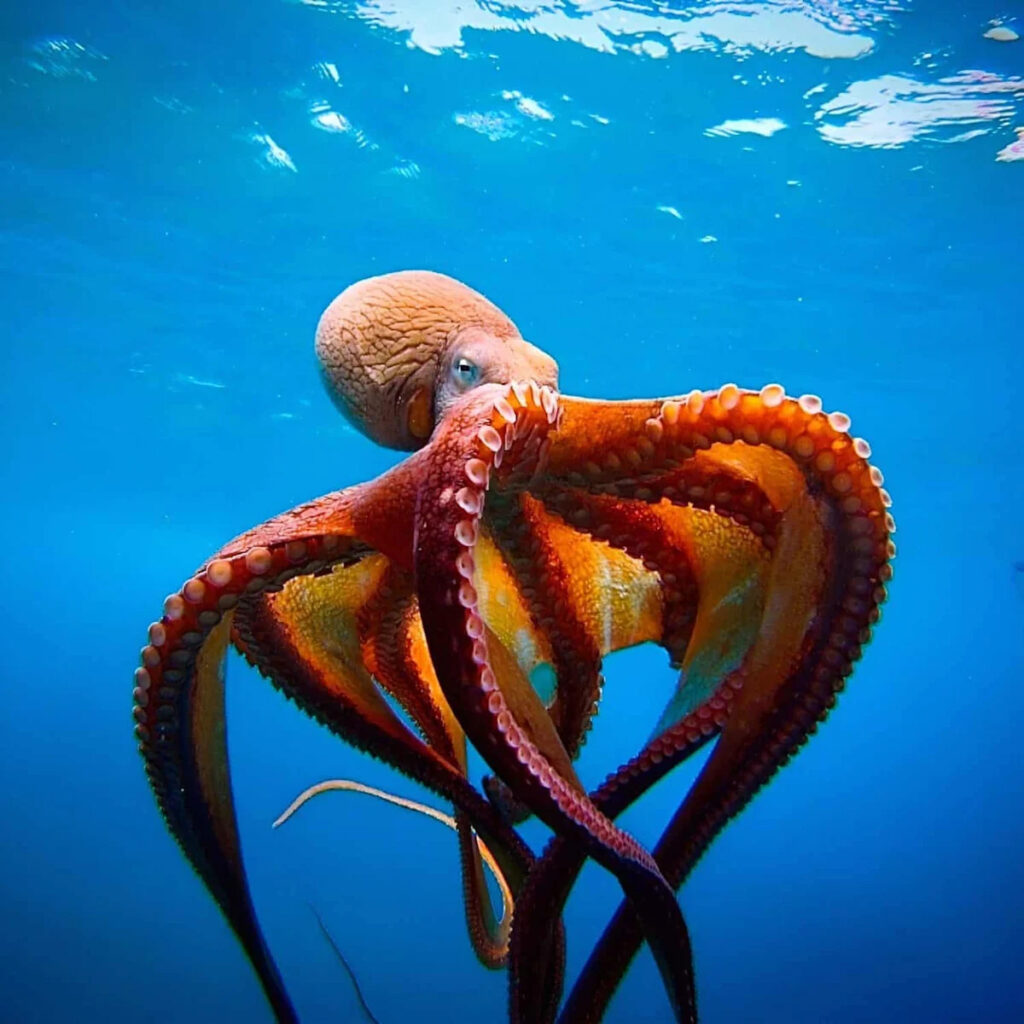
If forced to choose one descriptor for the octopus, the best word may be “otherworldly.” These truly amazing marine animals are known for unique behaviors and traits rarely found in any other creature on Earth. In fact, the idea that these weird animals originated on another planet has been floated; however, this hypothesis is not backed by scientific evidence and has been widely dismissed. Still, with their strange anatomy, extreme intelligence, and mystifying ability to completely alter their appearance in seconds, octopuses seem more at home in the realm of science fiction than in Earth’s oceans.
Nearly everything about these incredibly odd animals challenges what we think we know about life on our planet. They don’t just look extraterrestrial; they possess bizarre physiology and function in radically different ways from most other animals. Octopuses (the preferred plural over “octopi”) are full of surprises that continue to intrigue anyone who takes a closer look at these eight-armed oddities. In this deep dive, we’ll explore what makes these extraordinary, sea-dwelling creatures so alien-like.
They Have Blue Blood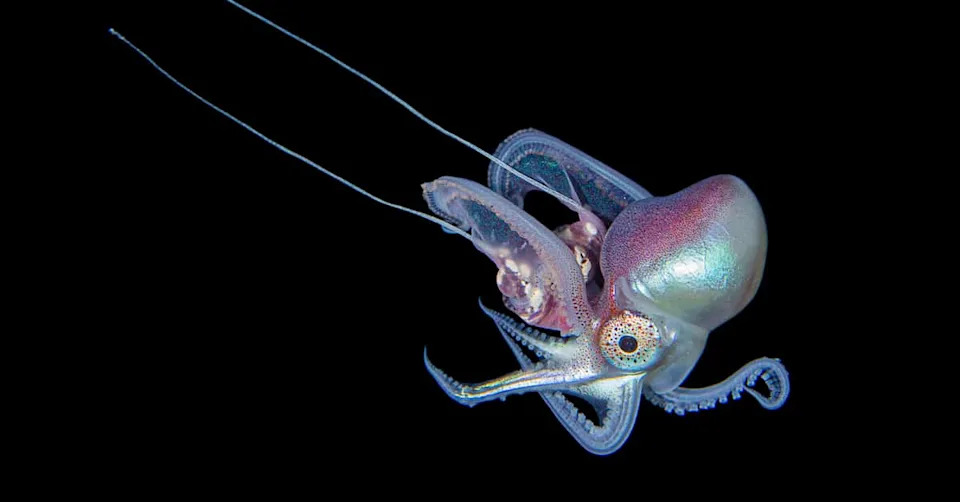
©Sam Robertshaw/Shutterstock.com
Dark maroon or bright red are the shades most commonly associated with blood. But octopuses bleed blue (a deep, slightly muted hue, closer to bluish-green than a true blue). The unique coloring is due to a copper-based protein called hemocyanin. In the cold waters, where many octopuses live, oxygen is less readily available. The special protein helps transport oxygen more efficiently in these low-oxygen environments, allowing the blue-blooded beauties to survive in deep or chilly waters. However, the trade-off with this system is that it is less efficient in warmer waters. As a result, octopuses are more sensitive to environmental changes like increasing ocean temperatures.
They’re Masters of Disguise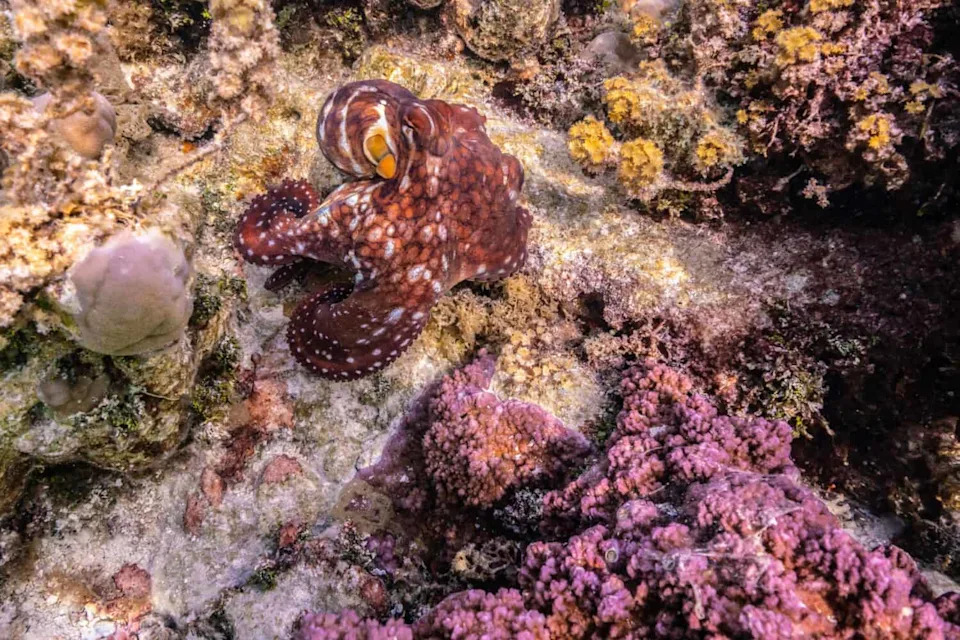
©Danita Delimont/Shutterstock.com
Octopuses are highly effective at camouflage, capable of transforming their appearance in seconds. Specialized skin cells allow them to change color almost instantly. Even more impressive, they can also alter their skintexture to match their surroundings. Such nuanced textural changes allow them to blend in with smooth rocks, grooved coral, slimy seaweed, and other underwater features.
But this miraculous camouflaging ability goes beyond color and texture; octopuses can physically alter their shape and posture to mimic objects or other sea creatures. Because they lack bones, they can stretch, flatten, puff up, or contort their bodies to resemble almost anything, from the ocean floor to animals like lionfish. The speed, precision, and specificity of this camouflage ability make it one of the most advanced in the animal kingdom.
They Have Multiple Major Internal Organs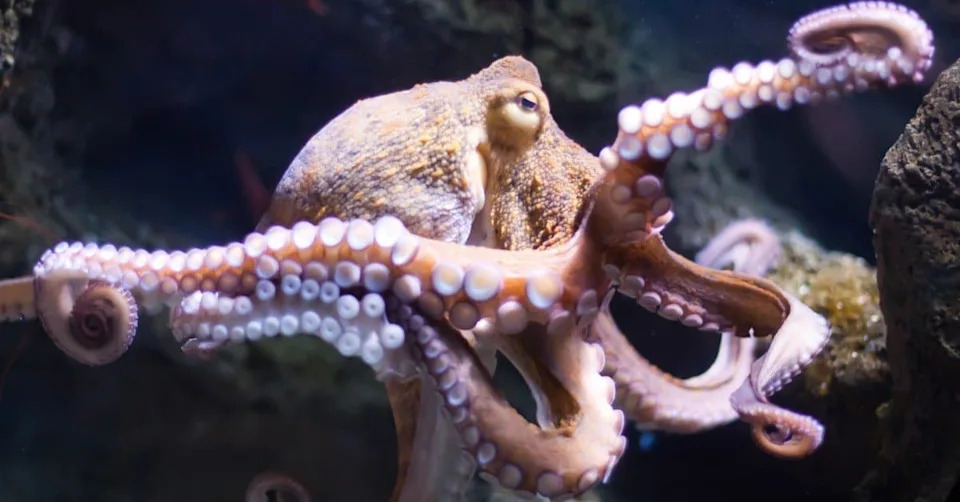
©iStock.com/aurigadesign
Octopuses have one of the most unusual internal organ systems in the animal kingdom. For starters, they feature multiple “brains”. While they do have a central brain, a large portion of their neurons are distributed throughout their arms. These “mini brains” allow each limb to sense, move, and react somewhat independently from the rest of the body. Their notable flexibility and coordination are due in large part to this decentralized nervous system.
In addition to their spread-out neural anatomy, octopuses also have three hearts. While two pump blood to the gills, the third heart circulates their rich blue blood throughout the rest of the body. Interestingly, the main heart stops beating when the octopus swims! This is why they prefer crawling along surfaces instead.
They Taste While They Touch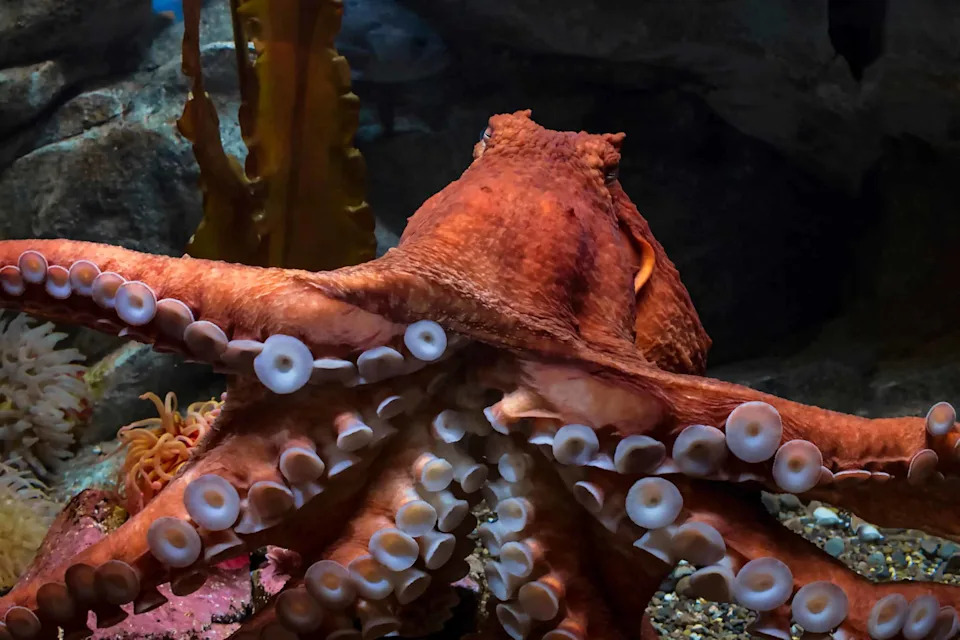
©karen crewe/Shutterstock.com
For humans, touch is a completely separate sense from taste, involving different processes entirely. But for octopuses, touch and taste are essentially combined into a single sense. Their suckers, the suction-cup structures that line their arms, are packed with sensory receptors that allow them to taste what they feel. Anything they touch, they also immediately taste by detecting its chemical composition. This highly sophisticated mechanism allows them to determine whether something is edible or not; it also enables them to explore their environment in a unique way.
They Edit Their Own RNA in Real Time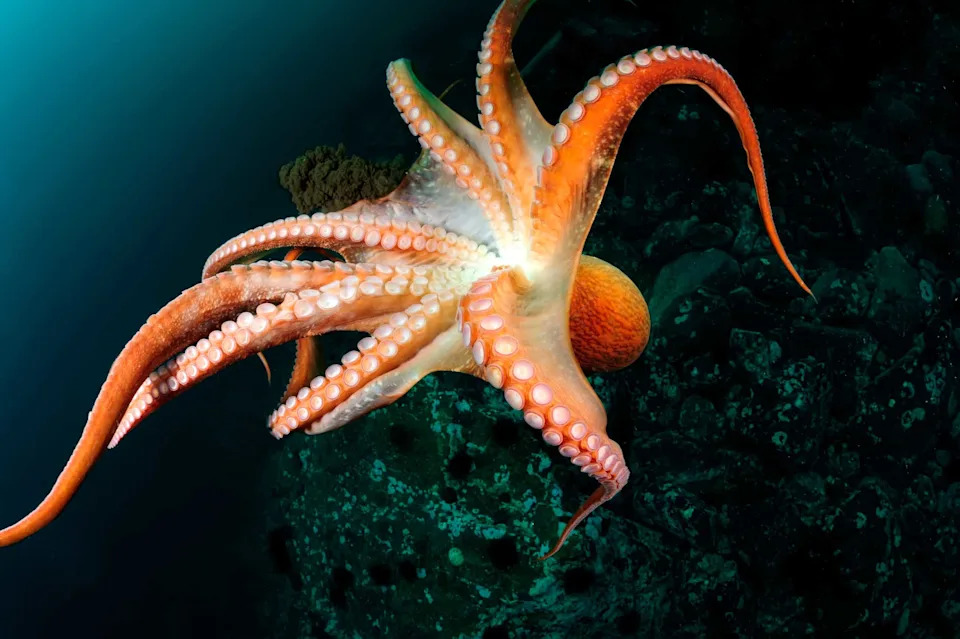
©Kondratuk Aleksei/Shutterstock.com
Octopuses have a surprisingly complex genetic structure for an invertebrate. Even more unusual, they can edit their own RNA to adapt to environmental changes. This allows them to adjust how certain genes function without permanently changing their DNA.
One of the biggest advantages of this on-the-spot RNA editing is temperature adaptation. Octopuses can tweak proteins so their nerves still function efficiently in changing ocean conditions. Instead of waiting generations for evolution, they can adjust more quickly.
While other animals are capable of lightly editing their RNA (including humans, who do so on a limited scale), octopuses and their close relatives like squid and cuttlefish do it far more extensively, making it a rare ability in the animal kingdom.
They’re the Einsteins of the Ocean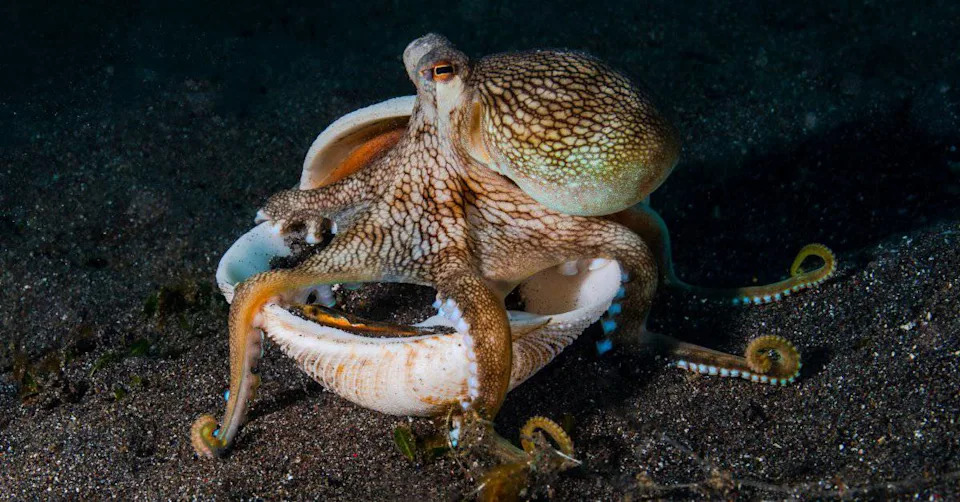
Octopuses are remarkably smart. Indeed, they are among the most intelligent invertebrates on the planet, with genomes containing a large number of genes related to neural development. They can solve puzzles, open containers, and remember solutions.
Some octopuses have been observed using tools, a rare trait among animals, especially in the invertebrate world. They collect coconut shells or other debris from the ocean floor and assemble them into makeshift shelters, where they can hide from predators. This behavior shows both planning and problem-solving ability and is one of the clearest examples of tool use in invertebrates.
In captivity, they often require mental stimulation to stay engaged. Without it, they may become bored and exhibit destructive behavior. Some have been known to manipulate objects in their tank or attempt to escape.
They Possess a Self-Destructing Nervous System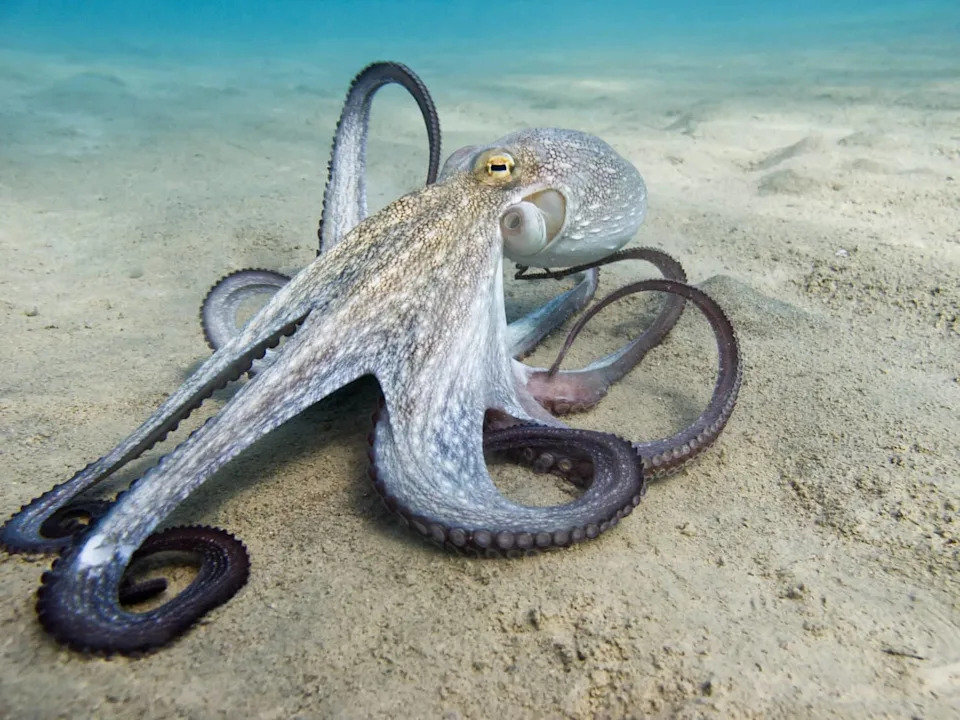
©ennar0/Shutterstock.com
Octopuses have an unusual life cycle that involves a fascinating end-of-life. After reproduction, hormonal changes naturally trigger their bodies to undergo a rapid and irreversible decline. Females stop eating, but remain dedicated mothers, devoting all their energy to protecting their eggs until they die. Males also die not long after mating, though typically sooner than females. This programmed shutdown has been described as a form of biological self-destruction.
They Can “See” with Their Skin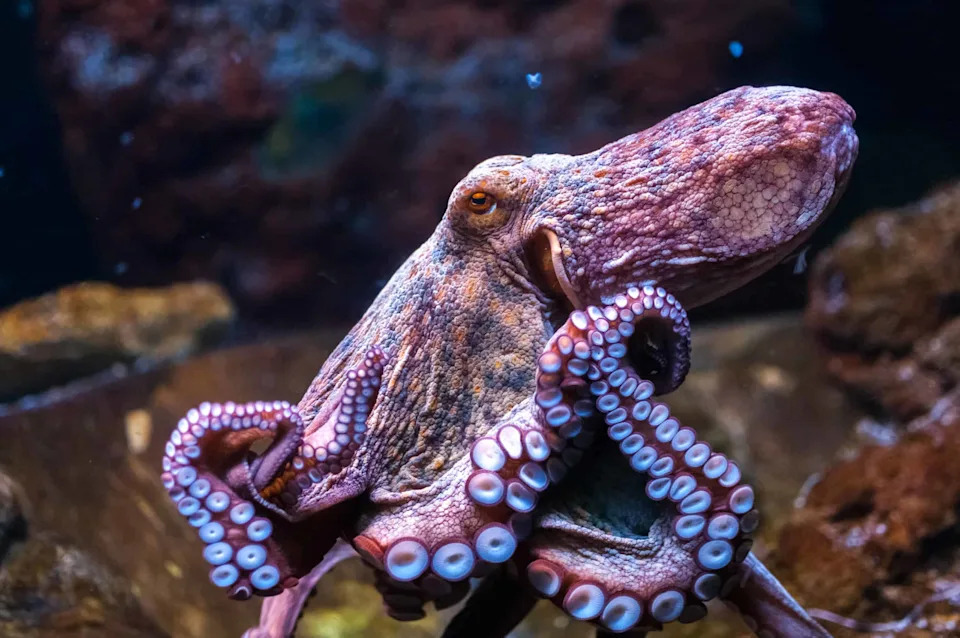
©Olga Visavi/Shutterstock.com
Octopuses are colorblind. That’s right, the animal that manages to shift into vivid coloration patterns in seconds is also unable to see color, leading us to perhaps the Octopus’ most remarkable trait: their ability to “see” through their skin. Their skin contains light-sensitive proteins similar to those found in their eyes. This means they can detect changes in brightness solely through their skin.
But this light sensing trick says nothing about their ability to detect color, so how do octopuses morph into the exact shades of their environment without knowing what color surrounds them? The octopuses’ perception of color is still largely unknown. Scientists continue to study this mind-bending “skin vision” and how advanced it really is.
The post Why The Octopus is Our Planet’s Most Alien-Like Creature appeared first on A-Z Animals.