
by Kevin D. Conod | For Jersey’s Best
Mon., Apr. 20, 2026
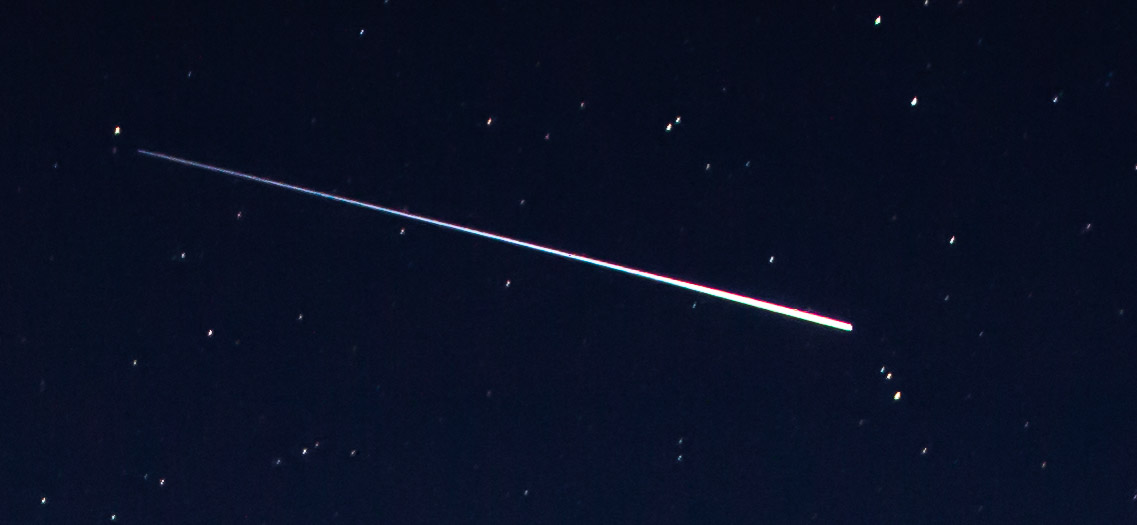
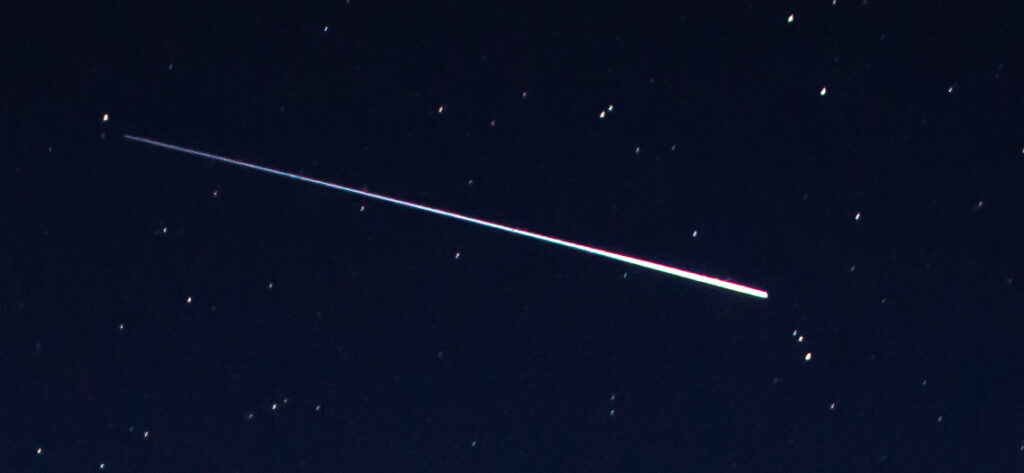
The Lyrid meteor shower is caused by bits of dust from Comet Thatcher. PsamatheM
The Lyrid meteor shower comes to a peak this week. The Lyrids are caused by dust left behind by Comet Thatcher. It takes about 415 years for this comet to orbit the sun. Right now, it is located in the outer solar system more than 100 times further from the sun than Earth. It won’t be back until the year 2276.
Although the comet is far out in the solar system, the dust it left behind continues to orbit the sun and Earth passes through this debris every year in late April. As these specks of dust hit the upper atmosphere, they leave behind the streaks of light we call “shooting stars.”
These meteors are swift and can sometimes be bright, as they streak out of the constellation Lyra, the harp. Lyra doesn’t rise until late in the evening, so you’ll have to view after 11 p.m.
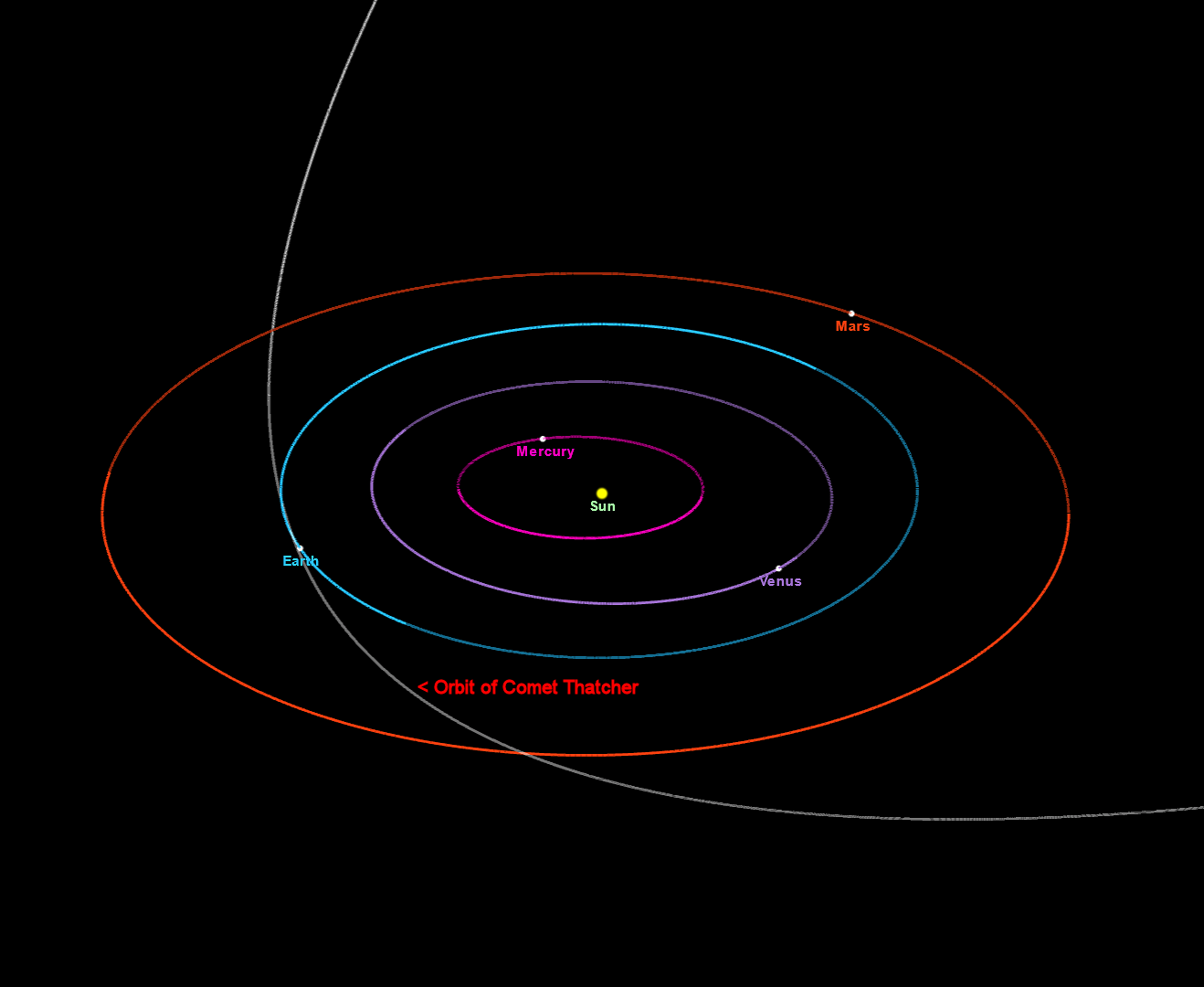
This diagram shows the orbit of Comet Thatcher. Earth crosses the comet’s orbit and the dust it left behind every year in late April. NASA/JPLPsamatheM
The best time to view the Lyrids is expected to be the late evening on April 21 into the early morning hours of April 22. The moon sets early, so bright moonlight won’t interfere with viewing. The Lyrids are not a strong shower but can produce a decent amount from 10 to 30 meteors per hour (less with light pollution).
Kevin D. Conod is the Planetarium Astronomer at the County College of Morris and a member of the North Jersey Astronomical Group.