
Horror movies constantly evolve, but only a handful remain truly timeless regardless of changing trends, effects technology, or audience expectations. While modern horror often leans heavily on jump scares and elaborate cinematic universes, classic horror movies earned their reputations by creating unforgettable atmosphere, iconic villains, and deeply unsettling imagery that still works decades later.
The best entries do not simply scare audiences for two hours; they permanently alter the genre itself. Some introduced entirely new filmmaking techniques, while others tapped into universal fears so effectively that they still feel disturbing today. A great horror movie also leaves viewers nervously glancing at dark hallways long after the credits roll, which is arguably cinema’s least relaxing achievement.
From Gothic monster tales to deeply psychological nightmares, these films continue to influence nearly every horror release that follows. Even audiences convinced they are “too hard to scare” usually discover these classics still have plenty of terrifying surprises waiting for them.
Bride Of Frankenstein (1935)
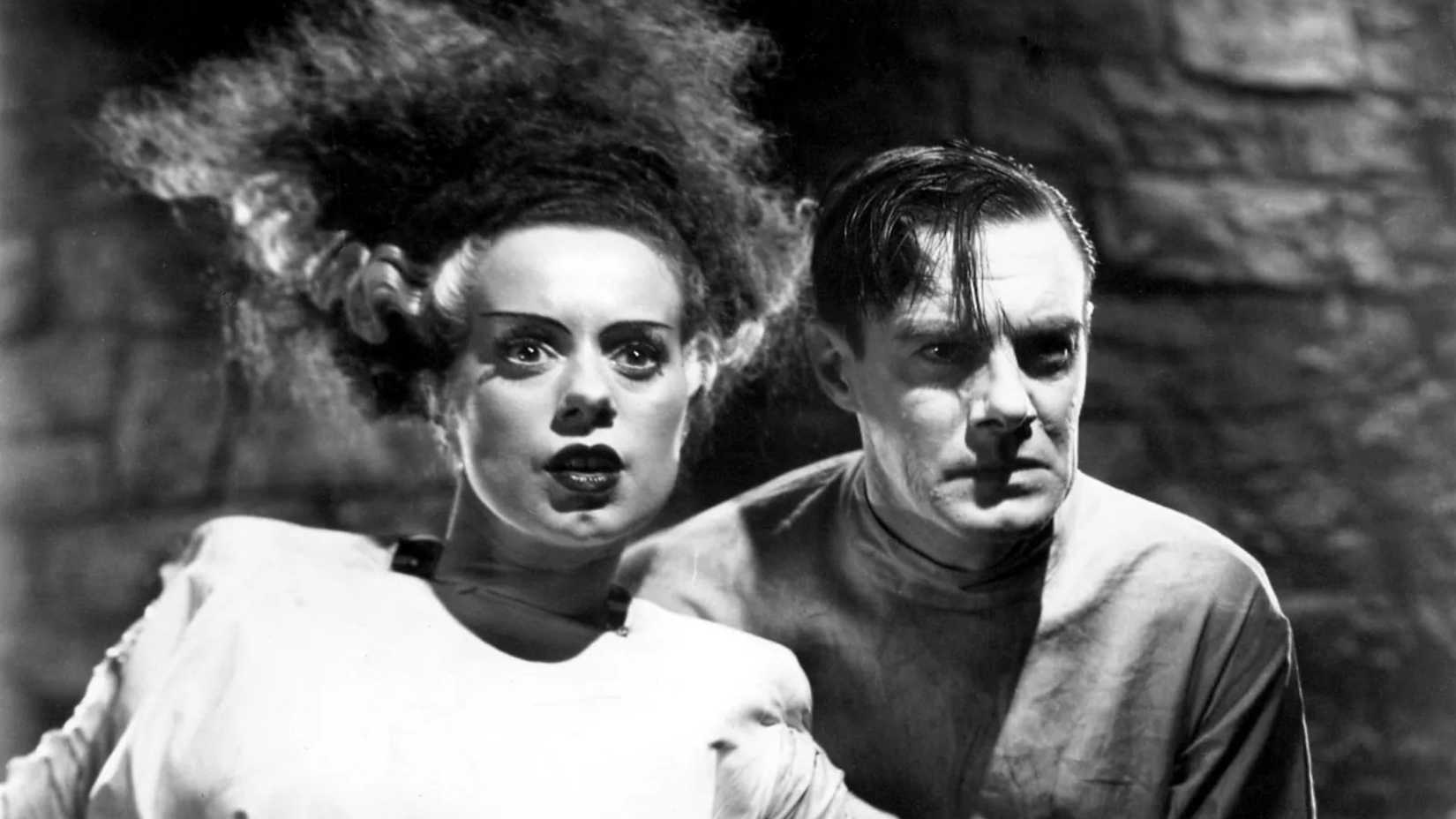
Dr. Frankenstein stands beside the Bride in Bride of Frankenstein
Bride of Frankenstein remains one of the rare horror sequels widely considered better than the original, which is impressive considering the original introduced one of cinema’s most iconic monsters. Directed by James Whale, the film expands the tragic humanity of Frankenstein’s Monster while embracing a surprisingly dark sense of humor and Gothic elegance.
Boris Karloff’s performance gives the Monster further emotional depth, making him frightening and simultaneously sympathetic through striking religious imagery. Meanwhile, Elsa Lanchester’s unforgettable Bride appears only briefly but became one of horror’s most enduring images anyway.
Bride of Frankenstein balances tragedy, camp, and unsettling horror with remarkable confidence, helping establish Universal’s monster movies as cultural landmarks. Nearly a century later, the Bride’s electrified hairstyle remains instantly recognizable, proving horror villains sometimes achieve immortality through excellent branding decisions.
The Texas Chainsaw Massacre (1974)
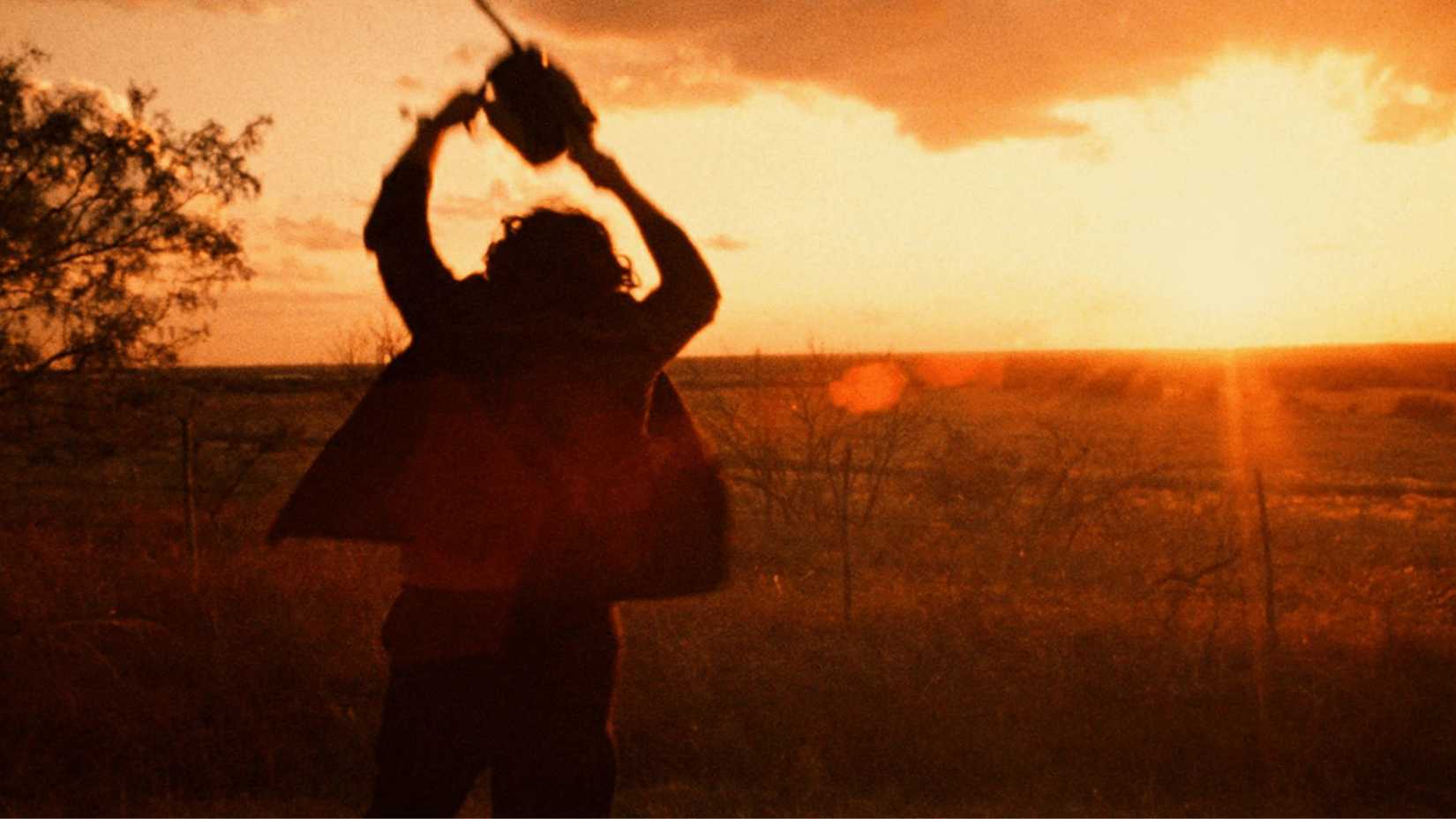
Leatherface running with his chainsaw in The Texas Chain Saw Massacre
The Texas Chain Saw Massacre feels so chaotic and grimy that many viewers still assume they are watching something genuinely dangerous unfold onscreen. Directed by Tobe Hooper, the film revolutionized horror by replacing Gothic fantasy with brutal realism and suffocating tension.
Leatherface instantly became one of cinema’s most terrifying villains because he feels unpredictable, animalistic, and horrifyingly human all at once. The movie’s documentary-style camerawork and relentless pacing create an atmosphere of panic that never truly lets audiences breathe.
Surprisingly, Texas Chainsaw contains far less graphic violence than its reputation suggests, proving atmosphere and suggestion can be far more disturbing than excessive gore. Every creaking floorboard and screaming chainsaw adds to the nightmare-like experience. Decades later, it still feels grimy, exhausting, and deeply unpleasant in the best possible way, which is a remarkable horror achievement.
Ring (1998)
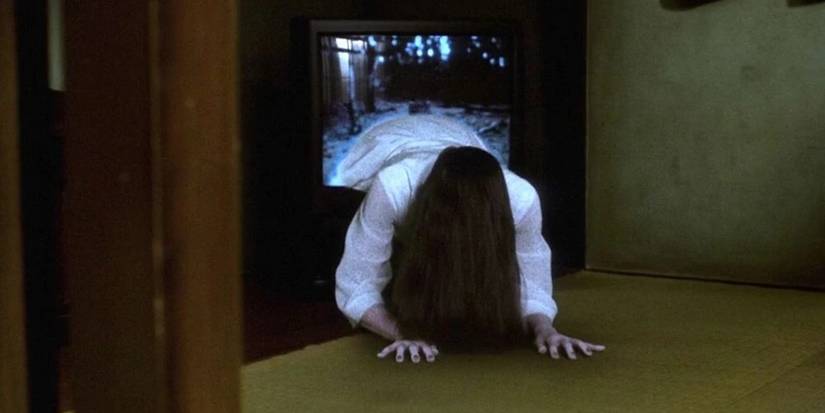
Sadako Yamamura Crawling Out of the TV in Ringu
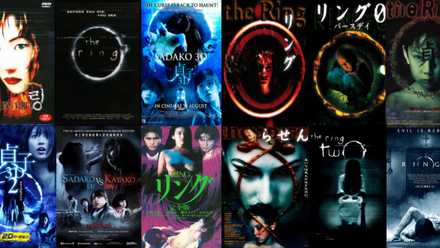
Ring became a defining moment for Japanese horror by proving quiet psychological dread could be far more terrifying than constant violence or jump scares. Directed by Hideo Nakata, the film follows reporter Reiko Asakawa as she investigates a cursed videotape connected to a series of mysterious deaths.
The premise sounds deceptively simple, but Ring’s execution creates overwhelming tension through atmosphere, silence, and creeping inevitability. Sadako’s appearance remains one of horror cinema’s most iconic images because the film reveals her sparingly and with terrifying precision.
Related
Every Ringu Movie (& Remake) Ranked From Worst To Best
The Ringu (Ring) franchise includes twelve films with a potential thirteenth in the works. Here’s how they all compare, ranked from worst to best.
The terrifying moment when Sadako’s hand emerges from the television completely undermines any sense of safety a viewer has while watching horror movies. It dissolves the presumed barrier between the real world and the horrors happening on screen, forever changing audiences’ relationship with scary movies – particularly classic VHSs.
The Exorcist (1973)
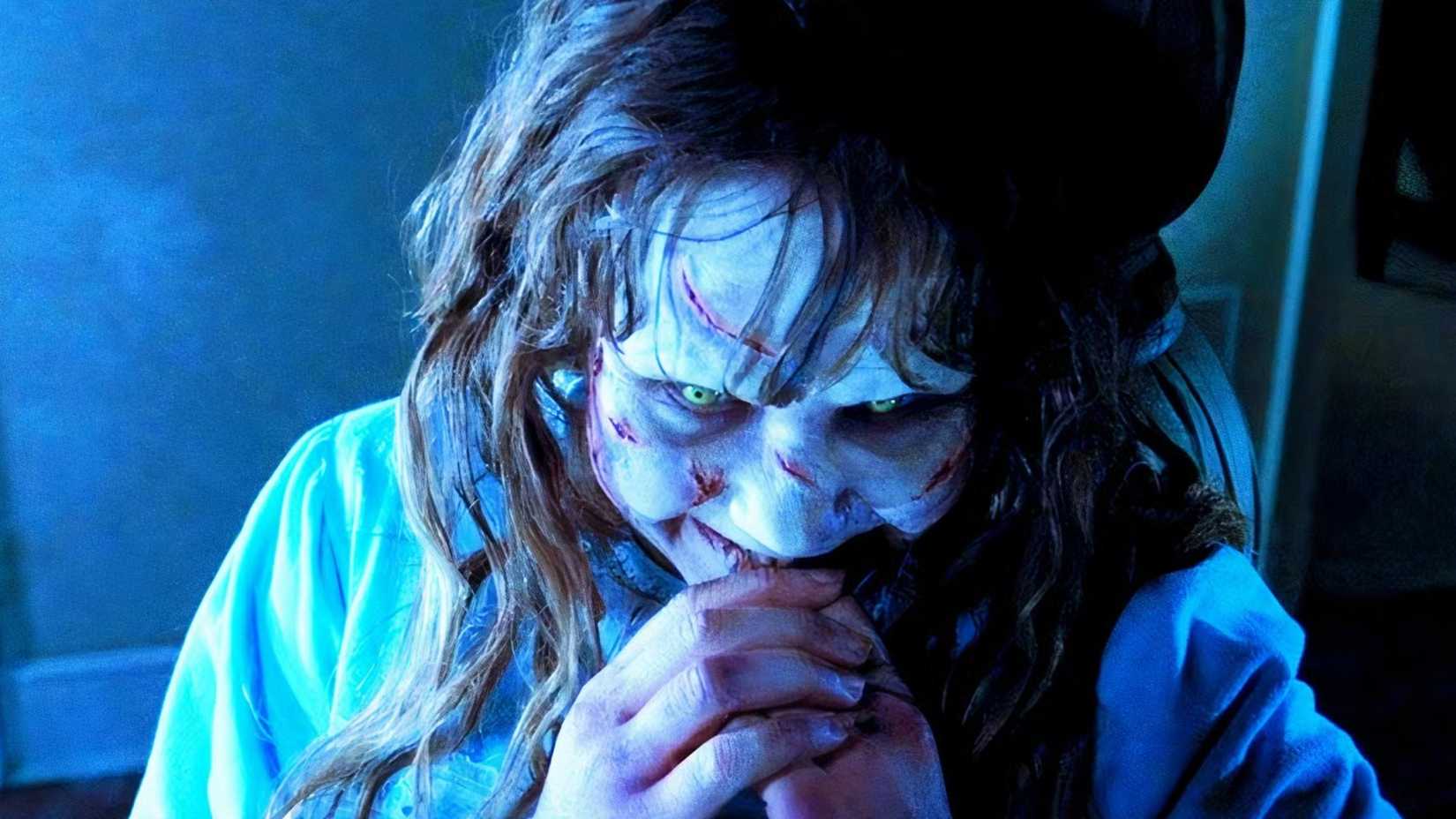
Linda Blair as Regan laughing in The Exorcist
The Exorcist became a cultural phenomenon that permanently changed how audiences viewed horror movies. Directed by William Friedkin, the film shocked viewers with its intense imagery, emotional realism, and deeply unsettling exploration of faith and evil. Indeed, this was the emergence of prestige horror.
The Exorcist’s greatest strength is its seriousness. It treats supernatural horror with complete emotional sincerity instead of camp. Every disturbing scene lands harder because the film spends so much time grounding its characters in reality first. This handling of horror like pure drama prompted the genre’s first Academy Award nomination for Best Picture – along with nine others.
Linda Blair’s performance as Regan in particular remains horrifying because the possession feels genuinely cruel and invasive rather than exaggerated or theatrical. More than fifty years later, The Exorcist remains one of the scariest and most influential horror movies ever made.
The Thing (1982)
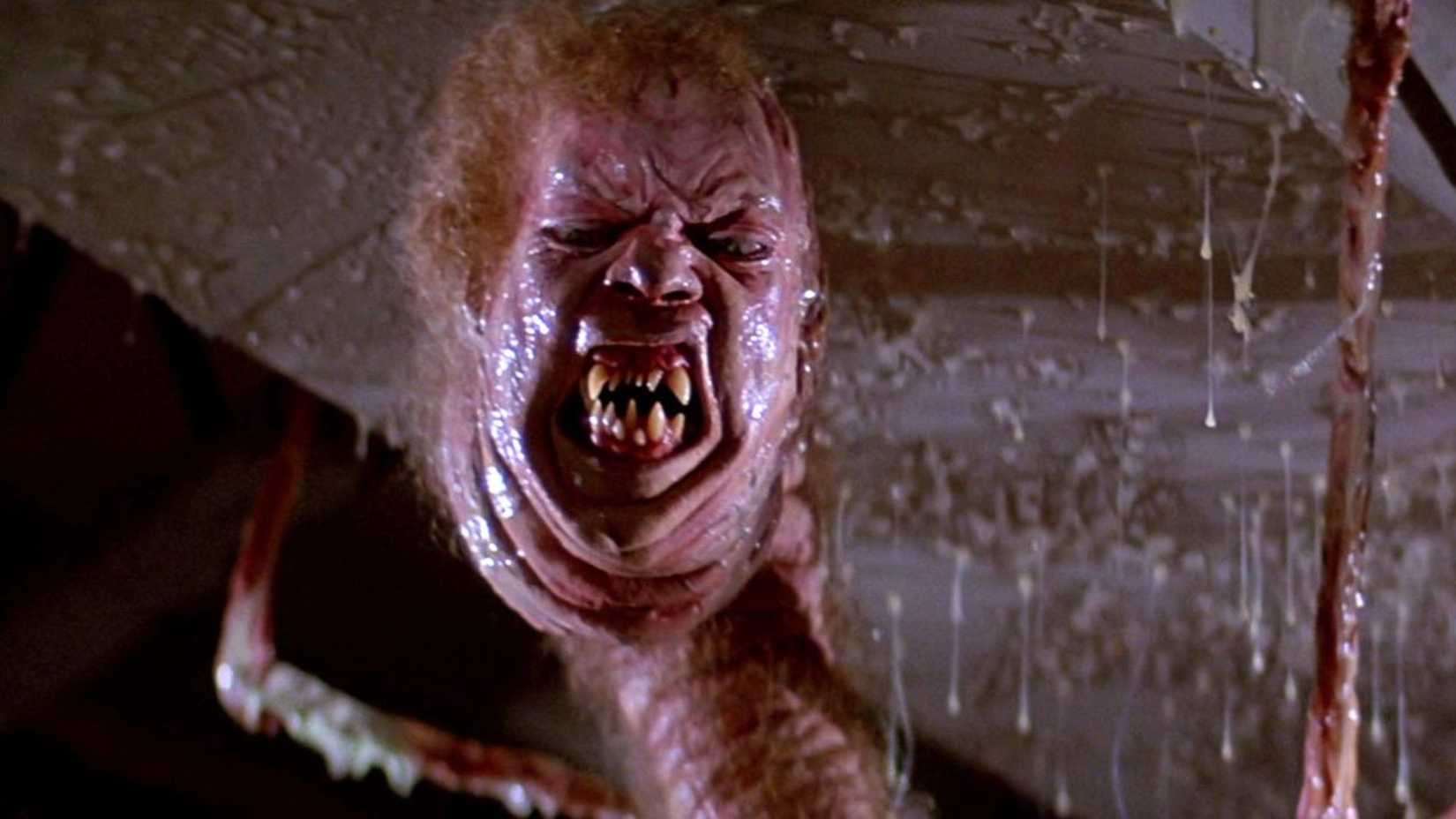
The alien monster in The Thing
The Thing transformed paranoia into pure cinematic terror by trapping its characters in an isolated Antarctic research station with a creature capable of imitating anyone perfectly. Directed by John Carpenter, the film thrives on distrust and psychological collapse as the group slowly realizes nobody can truly know who is still human.
Kurt Russell’s rugged performance as MacReady anchors the chaos, while Rob Bottin’s practical creature effects remain astonishingly grotesque decades later. Every transformation scene feels like a nightmare violating the laws of biology itself. The Thing initially received mixed reviews, which now feels almost unbelievable considering how influential it became.
Its greatest strength is in balancing the suffocating uncertainty hanging over every conversation with impeccable (and disgusting) practical effects. This two-handed approach bucked the notion that horror was either psychological and subdued, or excessive and theatrical – now it can be both.
Alien (1979)
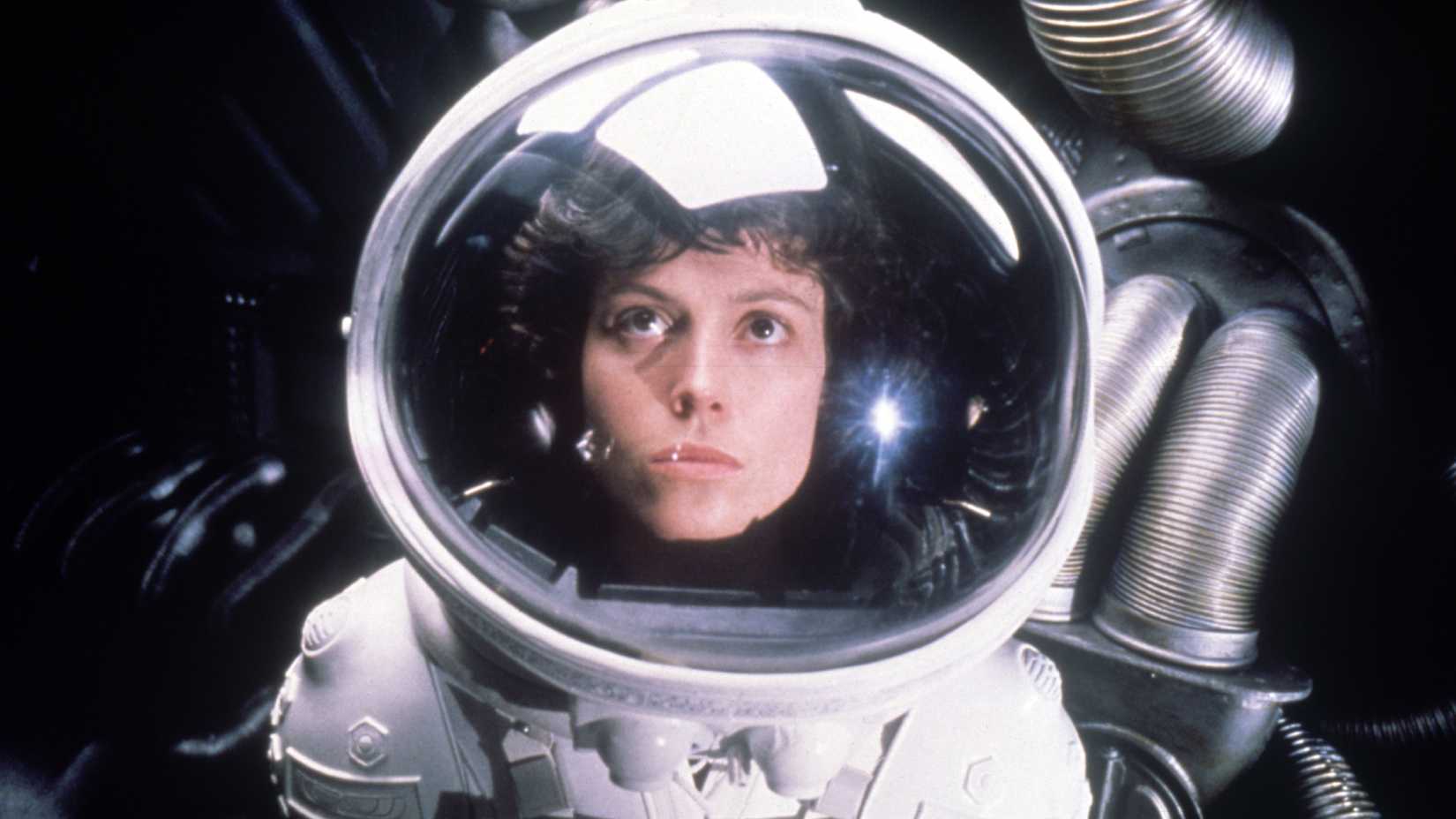
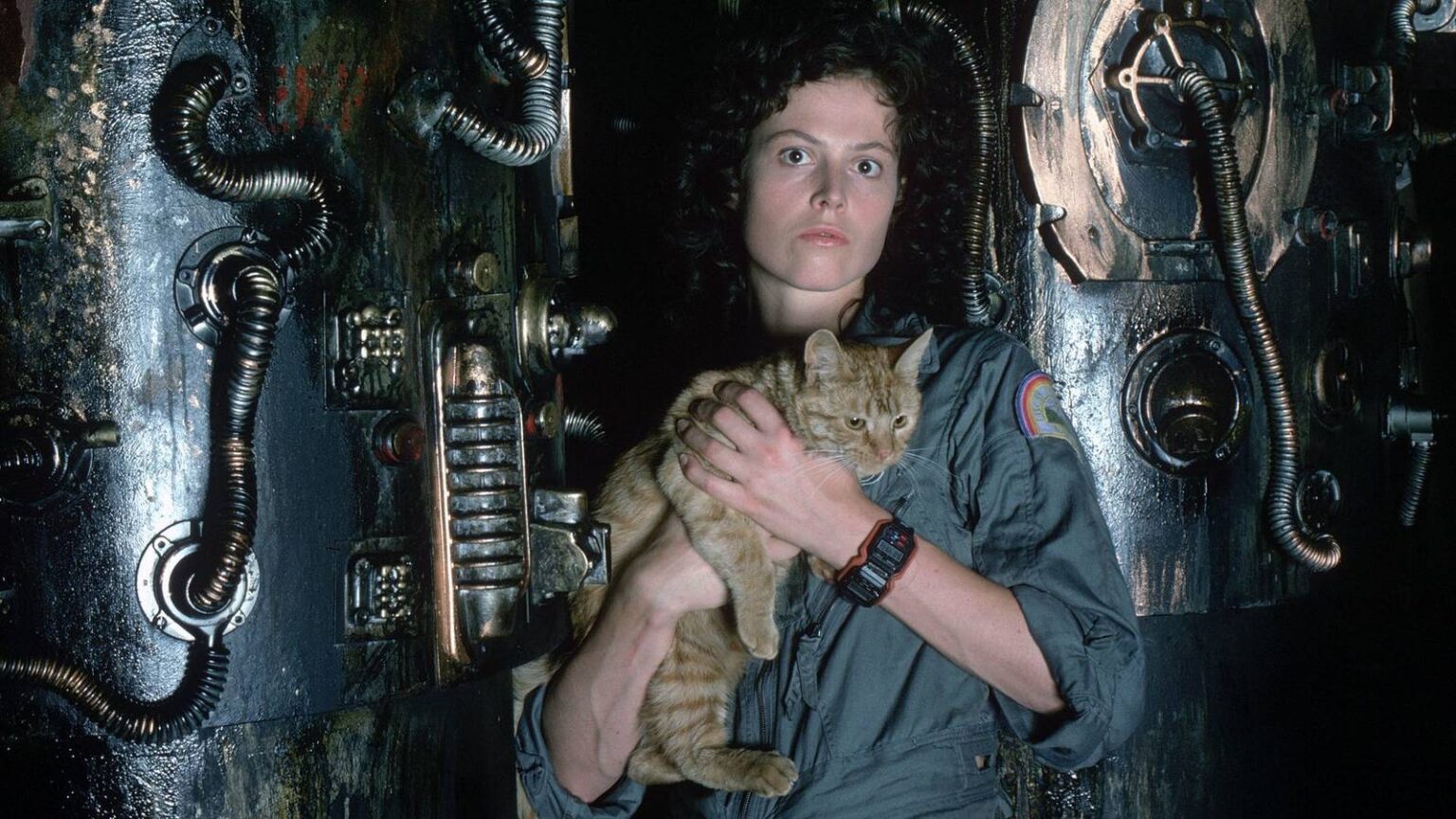
Sigourney Weaver as Ripley in Alien
Alien perfected the fusion of science fiction and horror by turning deep space into one of cinema’s most terrifying settings. Directed by Ridley Scott, the film follows the crew of the Nostromo as they encounter a deadly extraterrestrial organism that rapidly transforms their mission into a nightmare.
The Xenomorph remains horrifying because it feels completely inhuman, functioning more like a perfect predator than a traditional movie monster. Sigourney Weaver’s Ellen Ripley also revolutionized horror protagonists by becoming resourceful, intelligent, and fiercely resilient without losing emotional realism.
Alien’s slow pacing and industrial production design create constant tension long before the creature fully appears onscreen. Yet, somehow, it feels like it’s everywhere and anywhere all at once. As a result, the suspense ratchets persistently and with ruthless precision from the moment they encounter the monstrous organism.
Jaws (1975)
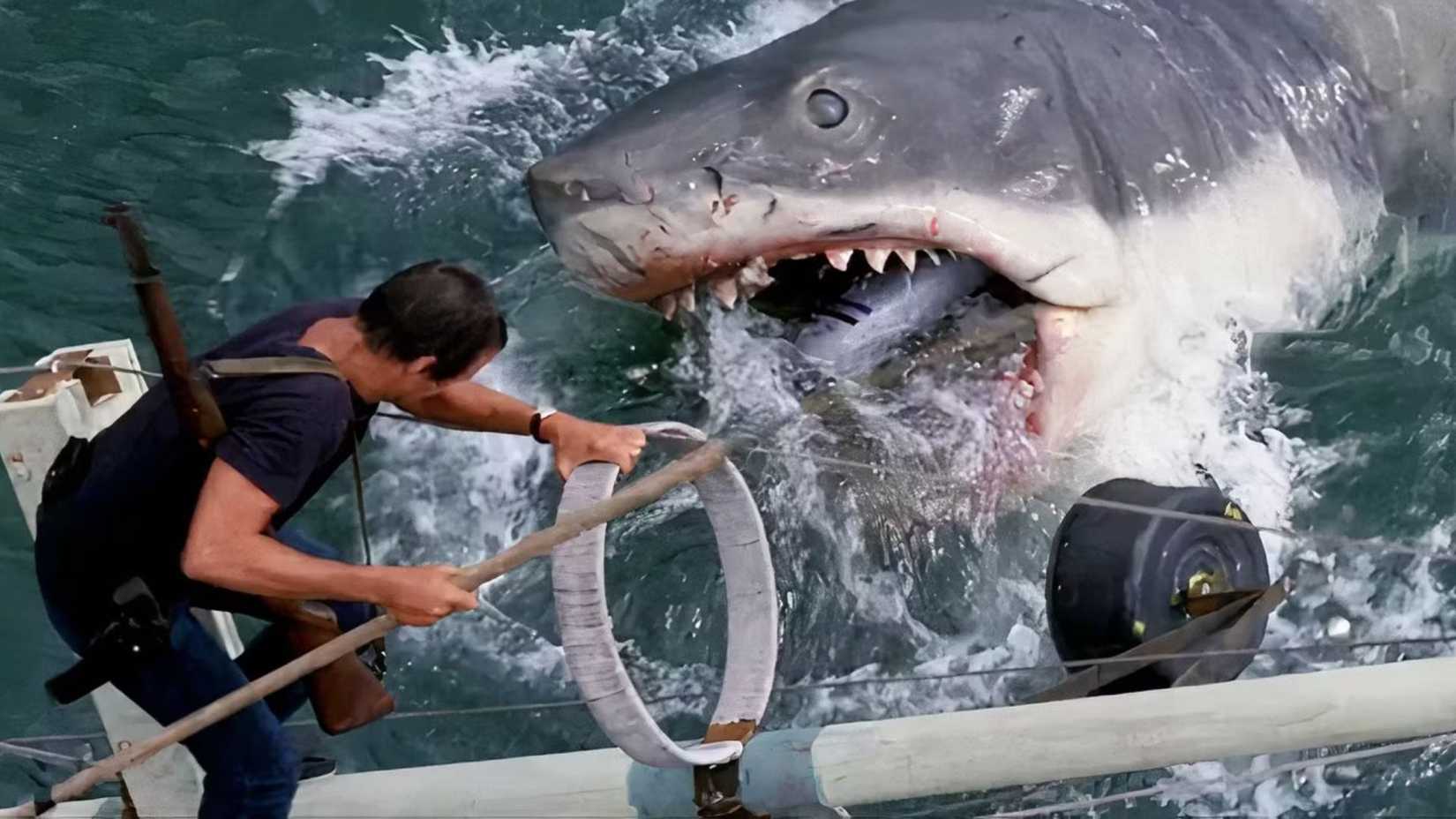
The shark attacking Brody in Jaws
Jaws effectively convinced generations of audiences that entering the ocean was perhaps an unnecessarily risky life decision. Directed by Steven Spielberg, the movie follows a massive great white shark terrorizing the seaside town of Amity Island during peak tourist season.
Spielberg’s decision to show the shark sparingly, largely because the mechanical shark malfunctioned constantly, accidentally became one of the film’s greatest strengths. The unseen threat creates unbearable suspense while John Williams’ iconic score does most of the psychological damage anyway.
Roy Scheider, Richard Dreyfuss, and Robert Shaw deliver fantastic performances that elevate the story beyond simple creature horror. Shaw’s haunting USS Indianapolis speech alone remains one of cinema’s greatest monologues. More than anything, Jaws defined the modern blockbuster while proving audiences are often most frightened by what they cannot fully see.
Psycho (1960)
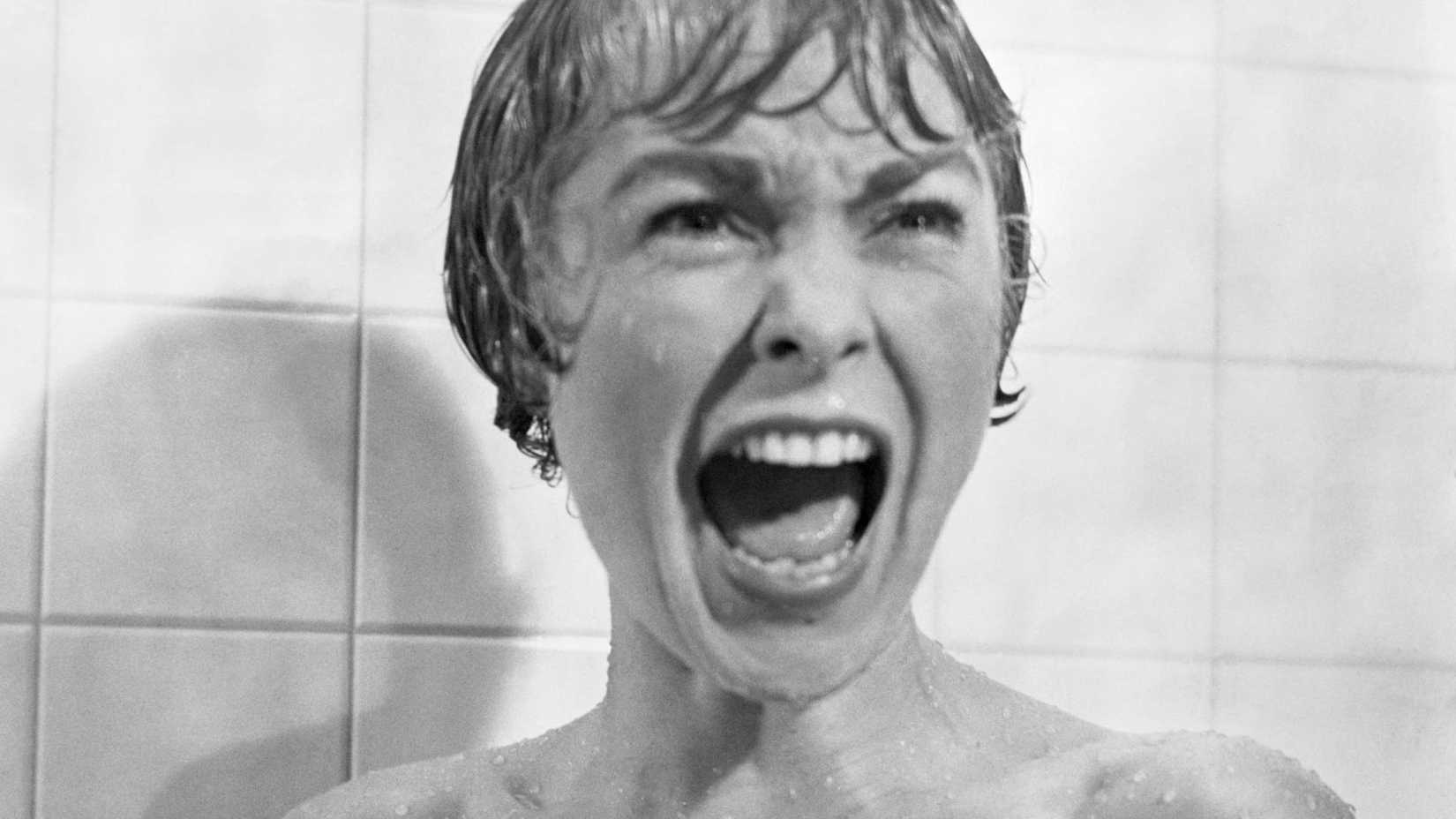
Janet Leigh as Marion, screaming in Psycho.
Psycho changed horror forever by completely shattering audience expectations and proving no character was truly safe. Directed by Alfred Hitchcock, the film initially presents itself as a crime thriller before transforming into something far more disturbing after Marion Crane checks into the Bates Motel.
Psycho’s infamous shower scene remains one of the most analyzed sequences in film history because Hitchcock turned rapid editing, sound design, and suggestion into pure terror. Anthony Perkins’ performance as Norman Bates is what truly makes the movie unforgettable, balancing awkward charm with deeply unsettling instability.
Hitchcock’s marketing famously discouraged late arrivals to preserve the film’s surprises, which now feels like an early version of spoiler culture. Even decades later, the image of the Bates house looming over the motel still feels eerie enough to make roadside travel seem significantly less appealing.
The Silence Of The Lambs (1991)
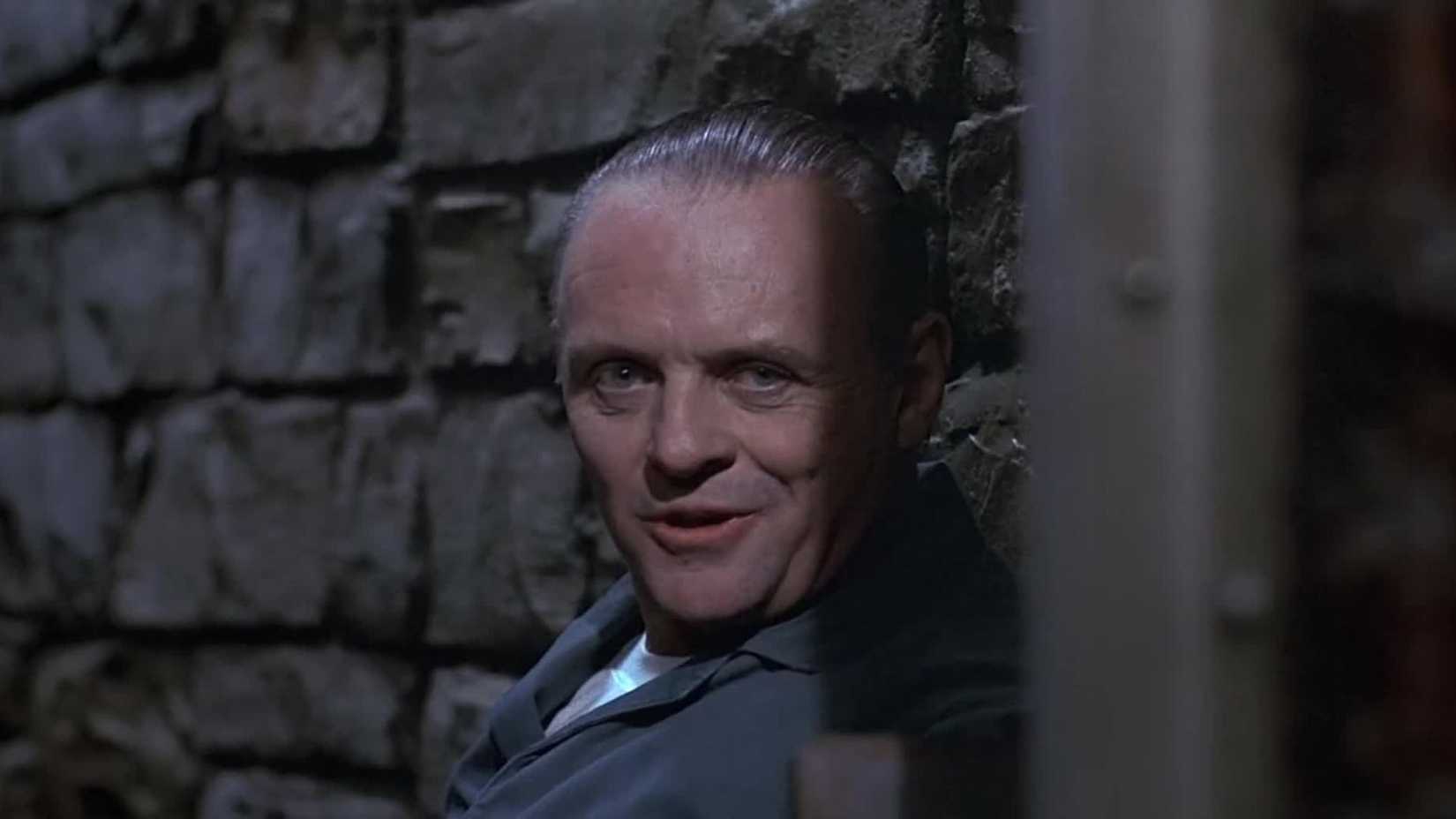
Anthony Hopkins as Hannibal Lecter in his cell in Silence of the Lambs
The Silence of the Lambs achieved something almost unheard of for horror cinema by winning the Academy Award for Best Picture while terrifying audiences at the same time. Directed by Jonathan Demme, the movie follows FBI trainee Clarice Starling as she seeks help from imprisoned cannibalistic psychiatrist Hannibal Lecter to catch another serial killer.
Jodie Foster gives Clarice enormous emotional intelligence and vulnerability, while Anthony Hopkins’ chilling performance as Lecter became instantly iconic despite a surprisingly limited screen time. Lecter’s calm politeness somehow makes him even more frightening, which is an impressive achievement for someone discussing fine dining preferences involving human organs.
The Silence of the Lamb’s intense close-ups create uncomfortable intimacy during conversations, forcing audiences into psychological confrontations alongside Clarice. Its influence on crime thrillers and psychological horror remains enormous more than three decades later.
The Shining (1980)
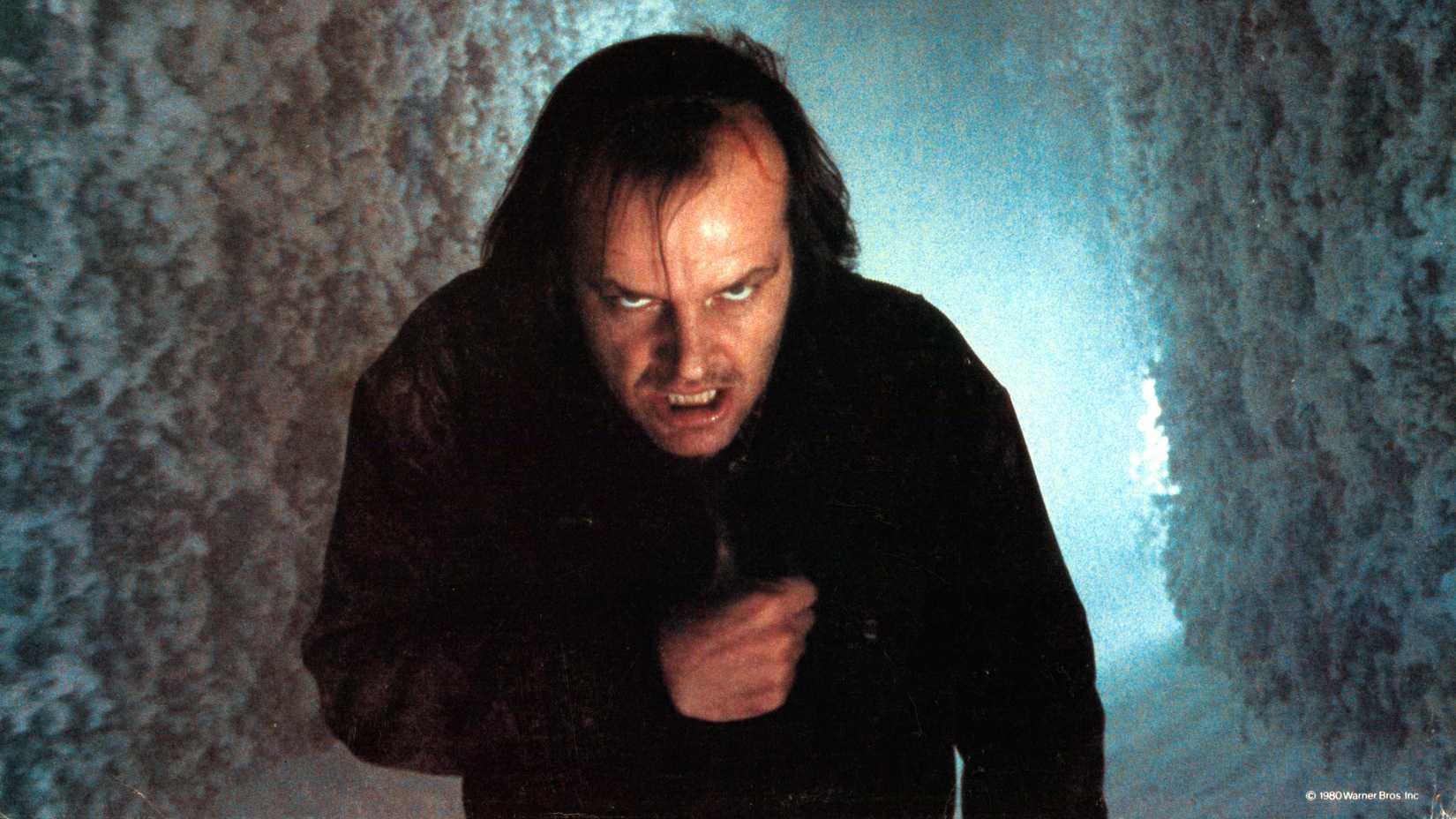
Jack (Jack Nicholson) angry walking in the snow in The Shining
The Shining remains one of horror cinema’s most endlessly debated masterpieces because it feels unsettling in ways audiences can never fully explain. Directed by Stanley Kubrick and adapted from Stephen King’s novel, the film follows Jack Torrance and his family becoming isolated inside the haunted Overlook Hotel during winter.
Jack Nicholson’s increasingly deranged performance gives the movie unforgettable intensity, while Kubrick’s exacting camerawork creates a dreamlike atmosphere filled with constant and subtle unease. The Overlook itself becomes the film’s true monster, warping reality and sanity with terrifying subtlety.
Nearly every hallway, conversation, and visual detail feels slightly wrong, which makes the horror linger long after the film ends. Of course, the twin girls, the elevator blood flood, and “Here’s Johnny!” ensured the movie also permanently traumatized hotel corridors for future generations.