
Agency
08/05/2026
185 views
5 likes
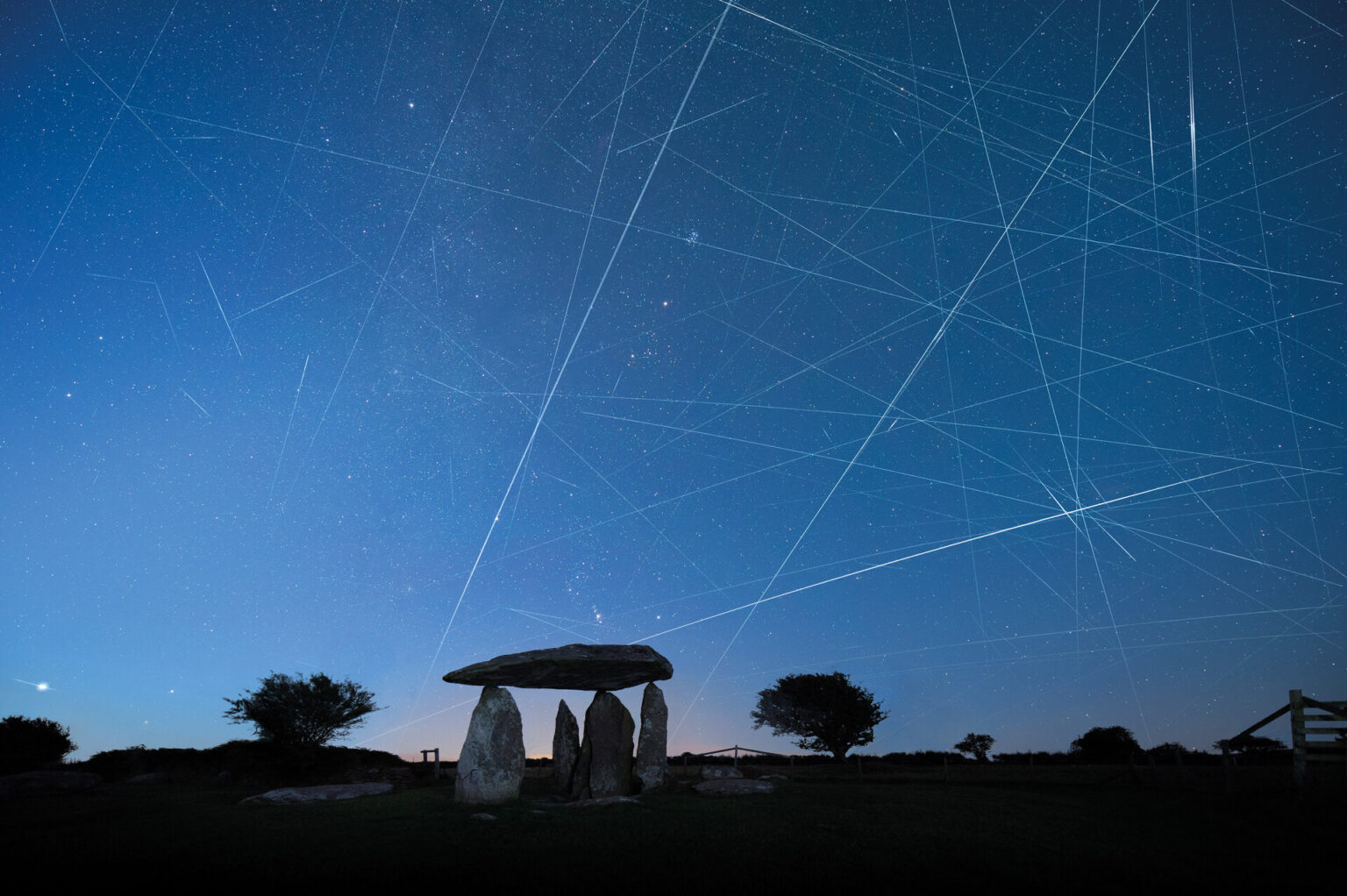
A breathtaking set of images highlighting the challenges posed by the countless human-made fragments circling Earth is on display at the Royal Astronomical Society in London.
Created by photographer and storyteller Max Alexander in collaboration with the European Space Agency, Our Fragile Space made its debut in 2022 at Lloyds of London, the world’s leading insurance marketplace. It has since been featured at the United Nations headquarters in New York, the New York Stock Exchange, the European Parliament in Brussels, and many other locations worldwide.
Our Fragile Space: damaged Hubble solar panel
Reflecting on the motivation behind the exhibition, Max said, “Space technology is becoming ever more intertwined in our everyday lives but, as the number of satellite launches has increased, so has the amount of debris in orbit. This poses a risk to vital services on which we rely, such as navigation and Earth observation, while also impacting astronomy and indigenous communities with deep connections to the night sky.
“Our Fragile Space advocates the need to address this pressing issue for the benefit of everyone on Earth.”
Our Fragile Space: new clouds above us
To create the exhibition, Max travelled the world to collected personal stories and photographs of space experts and people whose daily lives are already being impacted by space debris.
This journey included visits to several to ESA facilities, such as the agency’s European Space Operations Centre (ESOC) in Germany, where engineers are leading research into the tracking, modelling and mitigation of orbital debris.
The exhibition hosted by the Royal Astronomical Society includes several new additions focusing on the impact of orbital debris on astronomy and indigenous communities.
Our Fragile Space: the Karamojong people
One image features the Karamojong people, who are pastoral nomads living in northeastern Uganda. The Karamojong interpret changes in the night sky as signals to harvest crops early or to make other changes to their normal living patterns, meaning that the increased visibility of launches and satellite constellations is potentially disruptive to their way of life.
Max concluded, “Over the past three years, Our Fragile Space has raised awareness amongst decision-makers and the wider public of the growing threat of orbital debris and the need to take positive steps to protect Earth’s near-space environment.
“The exhibition continues to help shape global efforts to tackle the challenge of space debris, with its most significant legacy being its contribution to the UK Space Agency’s In-Orbit Servicing, Assembly, and Manufacturing (ISAM) framework.”
You can see Our Fragile Space for free and without booking until 10 May in the courtyard of Burlington House, London, which is home to the Royal Astronomical Society and five other learned societies.
Like