
May 1, 2026

JHVEPhoto / Shutterstock
This week’s news round up looks at Joby’s first eVTOL flight in New York City, the latest on the 15 stolen drones in New Jersey, and how NASA is prioritizing air traffic for first responder drones.
Joby Aviation’s Inaugural eVTOL Flight
Electric air taxi company, Joby Aviation, announced that they completed a point-to-point flight with their eVTOL aircraft in New York City, the very first flight of its kind. This flight was also the first of Joby’s week-long public campaign that will show the city what the future of electric air taxi could look like.
The company flew their N545JX aircraft from John F. Kennedy Airport (JFK) and landed at multiple different locations across the city’s existing heliport throughout the trip. These included Downtown Skyport, West 30th street, and East 34th street heliports. The overall goal: connect Lower Manhattan to Midtown to JFK in under 10 minutes. This is a significant step forward for advanced air mobility operations.
In 2025, Joby acquired Blade Air Mobility, an urban air passenger service provider. Their broad base of passengers in the area will serve as their customer base.
Drones Stolen from New Jersey Farm Recovered
Police have recovered the 15 agricultural spray drones that were stolen on March 24th from New Jersey. The drones were recovered at Prudent Corporation, a warehouse in Dover, NJ when an employee noticed their arrival and called the police.
This crime was especially concerning because spray drones in the wrong hands could wreak havoc, potentially spraying dangerous chemicals over the public.
The investigation is active and ongoing.
NASA’s Effort to Prioritize DFR Drones in Air Traffic
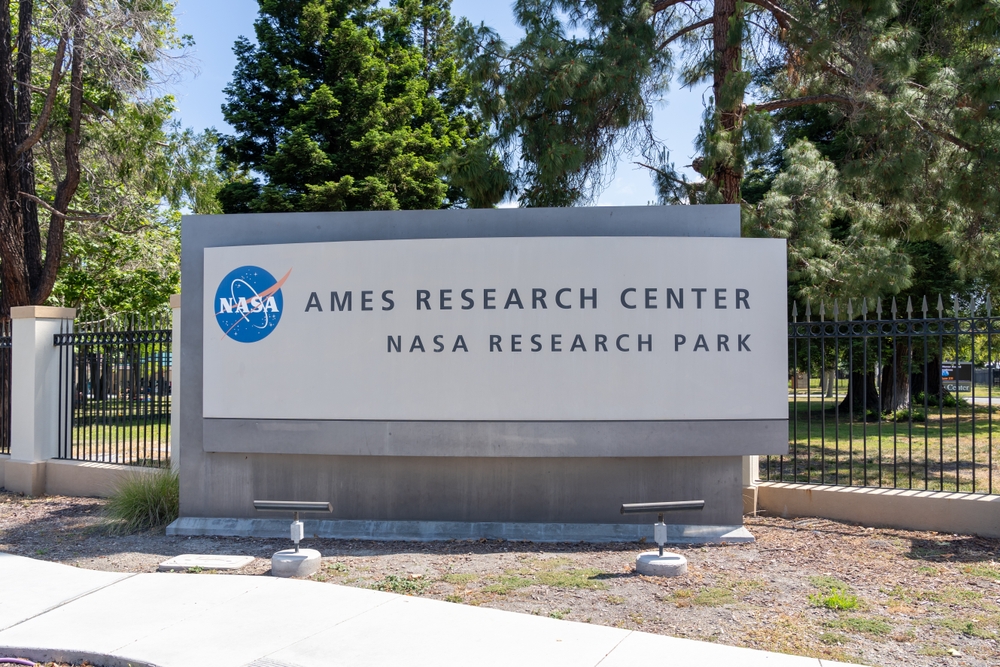
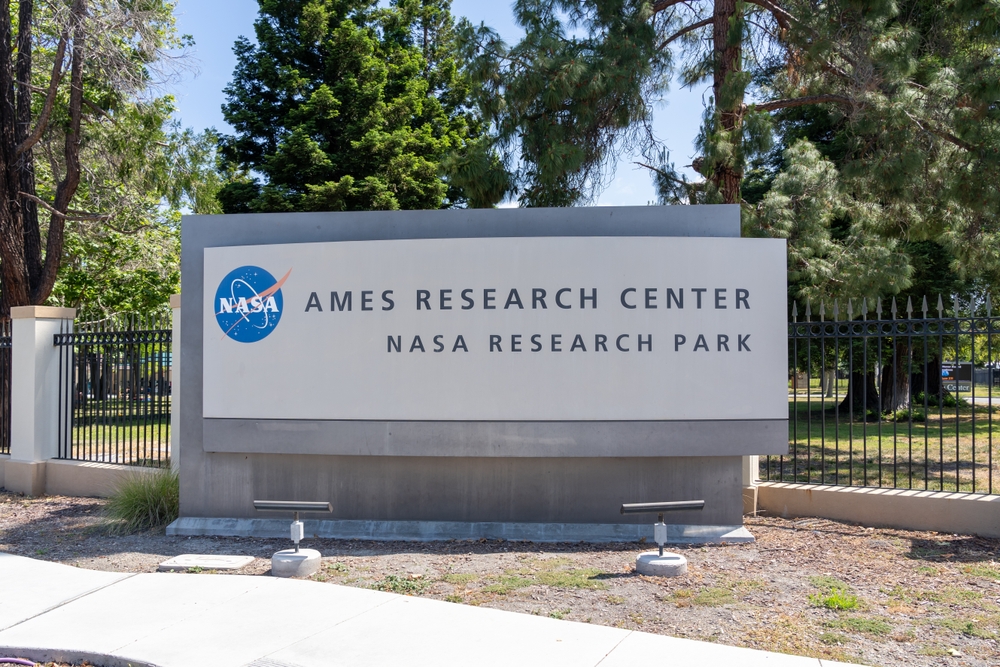
As drones increasingly take on first-responder roles, NASA is developing a framework to give these aerial vehicles the same right-of-way priority in the skies that emergency vehicles have on the ground.
In North Texas, NASA and the FAA collaborated on a flight exercise to show how airspace prioritization tools could give that right of way to first responder drones in crowded skies. This exercise tested how a drone would navigate unpredictable vehicle movements such as a suspect fleeting in a car and driving erratically, and how a drone following this unpredictable path would affect commercial drone activity in the same area.
A key challenge researchers identified is that emergency drones, unlike commercial ones, often fly unpredictable routes. The data collected will help NASA build traffic management frameworks that keep drone operations safe and efficient for everyone as commercial use grows.