
The China Manned Space Agency (CMSA) has announced the expansion of its space program. For the first time in history, Beijing has officially selected foreign candidates to train for missions to its permanent orbital station, Tiangong. The pioneers were two Pakistani citizens—Muhammad Zeeshan Ali and Khurram Daud.
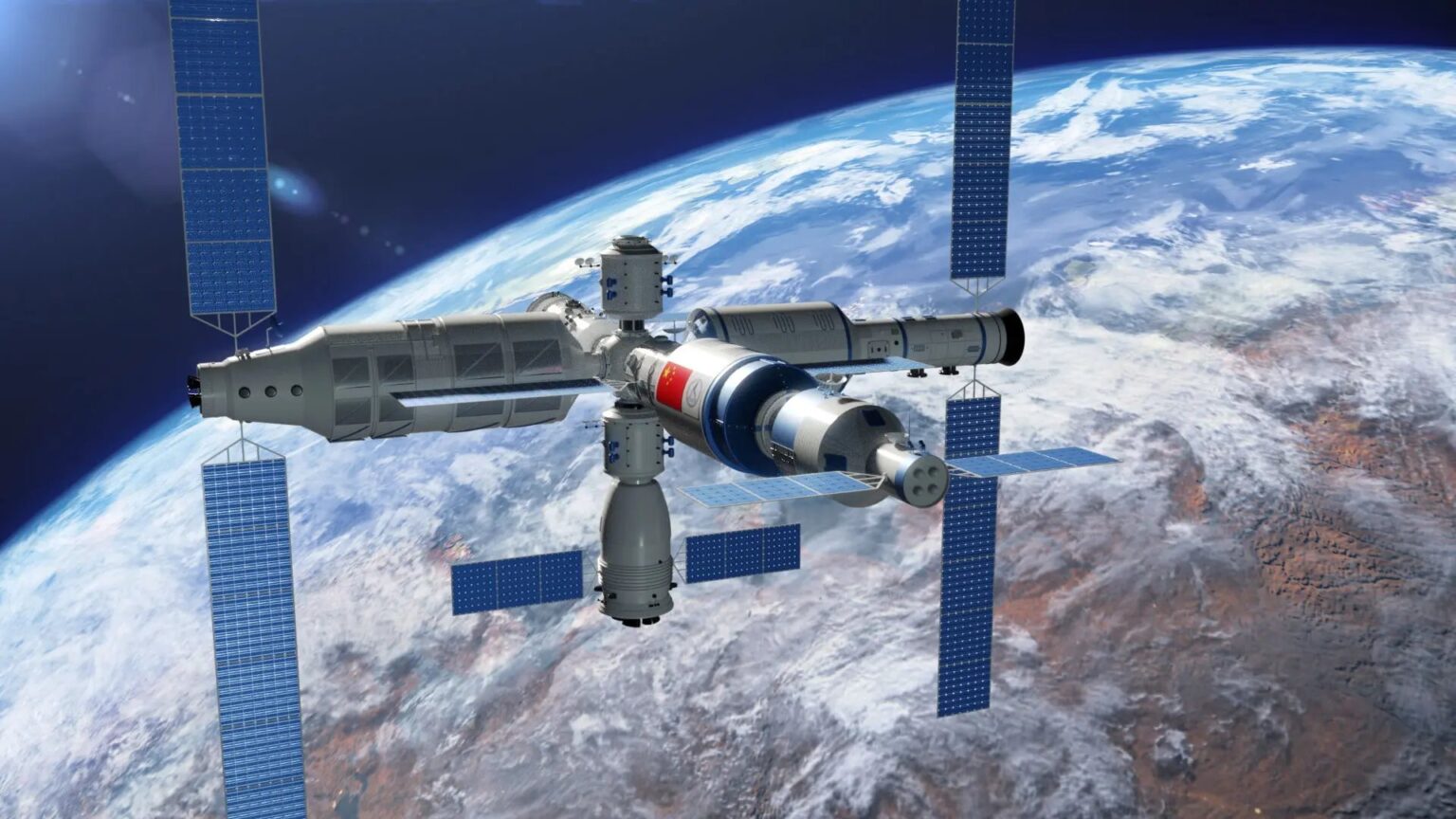 Chinese space station “Tiangong.” Illustration: Reuters
This step marks a strengthening of the strategic partnership between China and Pakistan. According to the plan, the candidates will soon arrive at the China Astronaut Training Center for intensive training.
Rigorous selection process
The selection of Muhammad Zeeshan Ali and Khurram Daud was the result of an agreement signed in 2025 between Pakistan’s SUPARCO and China’s CMSA. The selection process was extremely rigorous: the criteria included not only exceptional physical endurance but also outstanding academic achievements. Both candidates are pilots and hold advanced degrees in fields related to aerospace technology.
During their training in China, they will study the complex architecture of the Tiangong space station and the operational characteristics of the Shenzhou spacecraft. One of them will ultimately be selected to participate in the mission, which is scheduled to launch in late 2026. For Pakistan, this will mark its first national human presence in orbit.
Purpose of the flight
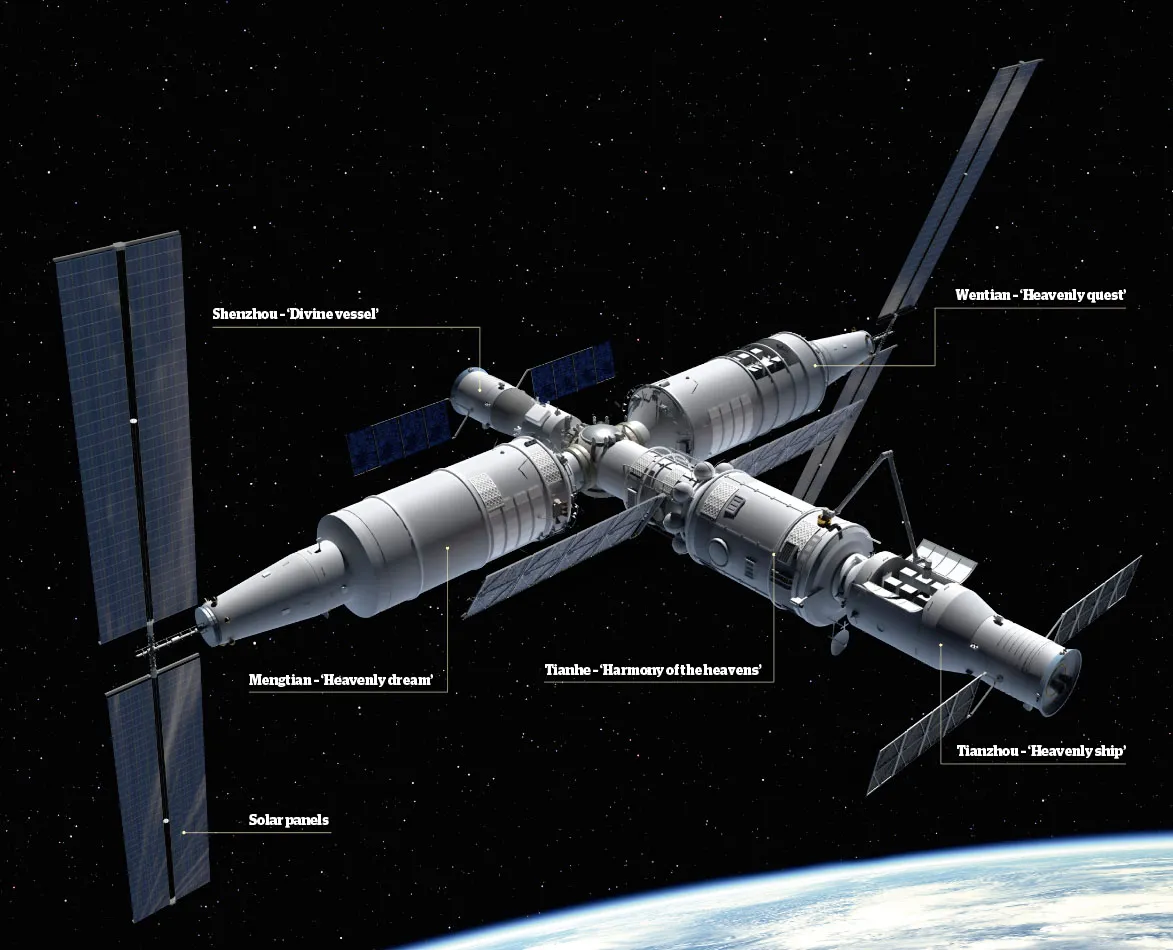 Design of the Tiangong Space Station
It is important to note that the Pakistani astronaut will join the crew not as a pilot, but as a payload specialist—a purely scientific role. Instead of piloting the spacecraft, the specialist will focus on conducting complex experiments in microgravity.
The scientific program is expected to include:
cosmic radiation research;
biological and medical experiments;
the study of hydrodynamics in microgravity.
The results of these studies will contribute to advances in medicine and materials science directly on Earth, transforming the mission into a substantive scientific endeavor rather than merely a symbolic gesture.
A global alternative
The involvement of international partners is a clear signal from Beijing that it intends to turn its own space station into the world’s leading scientific platform. China, which was once excluded from ISS projects due to U.S. sanctions, is now building its own space community, focusing on countries in the Global South.
We previously reported on how a satellite captured images of the Tiangong space station.
According to Reuters and India Times