
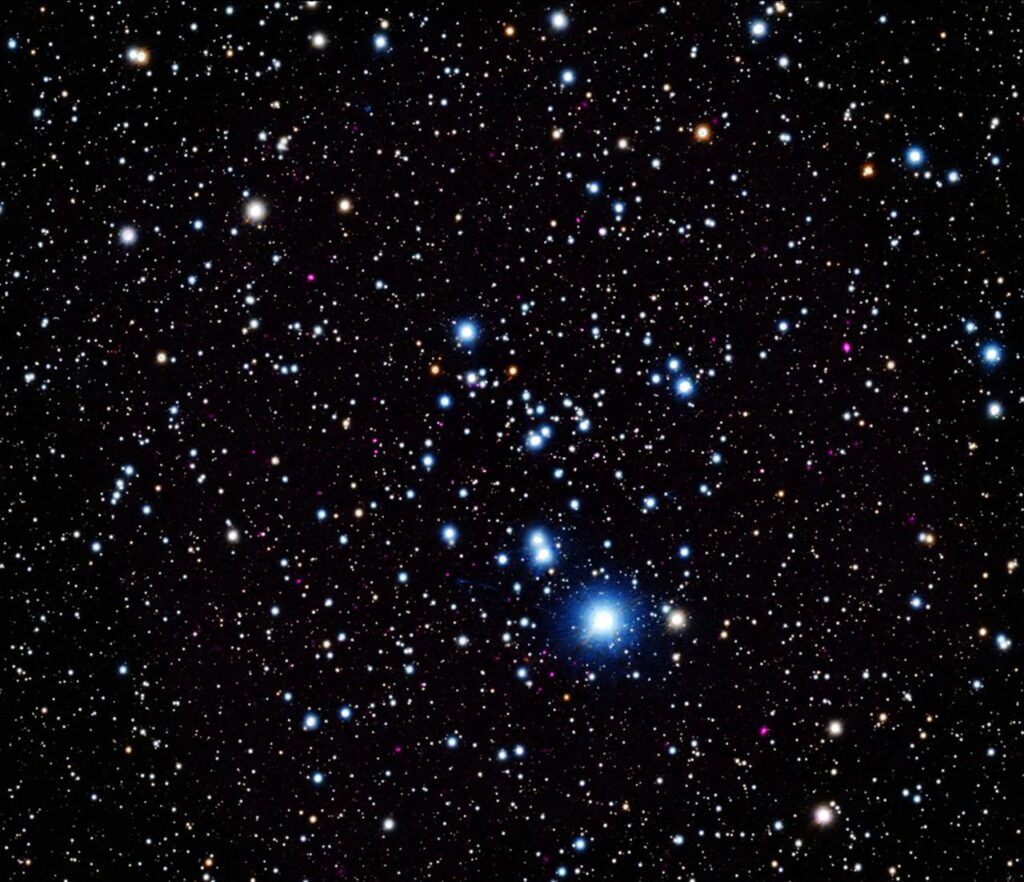
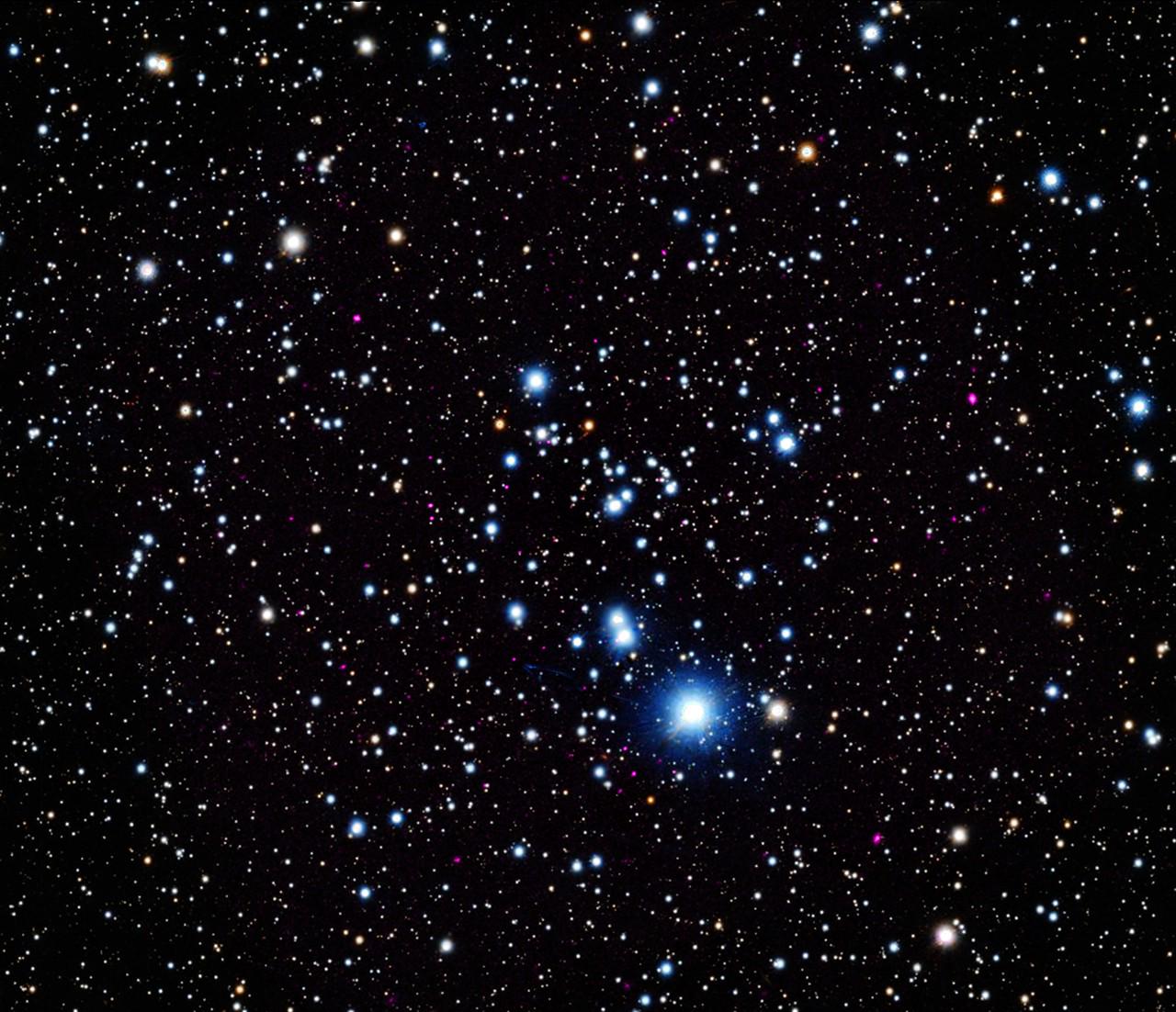
Astronomers used Chandra and other telescopes to monitor how powerful radiation from young stars — often in the form of dangerous X-rays — can pummel planets surrounding them. They did not know, however, how long this high-energy barrage continued.
This latest study looked at eight clusters of stars between the ages of 45 million and 750 million years old. The researchers found that Sun-like stars in these clusters unleashed only about a quarter to a third of the X-rays they expected.
"While science fiction – like the microbes in Project Hail Mary – imagines alien life that dims stellar output by consuming its energy, our real observations reveal a natural ‘quieting’ of young Sun-like stars in X-rays,” said Konstantin Getman, the lead author of the new study from Penn State University. “This is not because an outside force is consuming their light, but because their internal generation of magnetic fields becomes less efficient.”
In fact, this calming could be a boon to the formation of life on planets around stars that are younger versions of our own Sun. (Our Sun is about 4.6 billion years old, so significantly older than the stellar cousins in this study.) This is because large amounts of X-rays can erode a planet’s atmosphere and prevent formation of molecules necessary for organic life as we know it. On average, three-million-year-old stars with a mass equal to the Sun produce about a thousand times more X-rays than today's Sun. Meanwhile, 100-million-year-old solar-mass stars are about 40 times brighter in X-rays than the present Sun.
by ChiefLeef22