The astronauts of the ARTEMIS II mission take in the sunset after landing in the Pacific Ocean after traveling 24,000 MPH through the atmosphere.April 26, 2026
Today 1pm: Former Obama Pentagon appointee Marik von Rennenkampff publishes new analysis falsifying every Mick West debunk of the 2015 Gimbal UFO videoApril 26, 2026
Breakthrough Prize 2026 awards over $18 million for discoveries across space, physics and moreApril 26, 2026
ESA prepares to launch a probe toward an asteroid that will pass extremely close to Earth in April 2029April 26, 2026
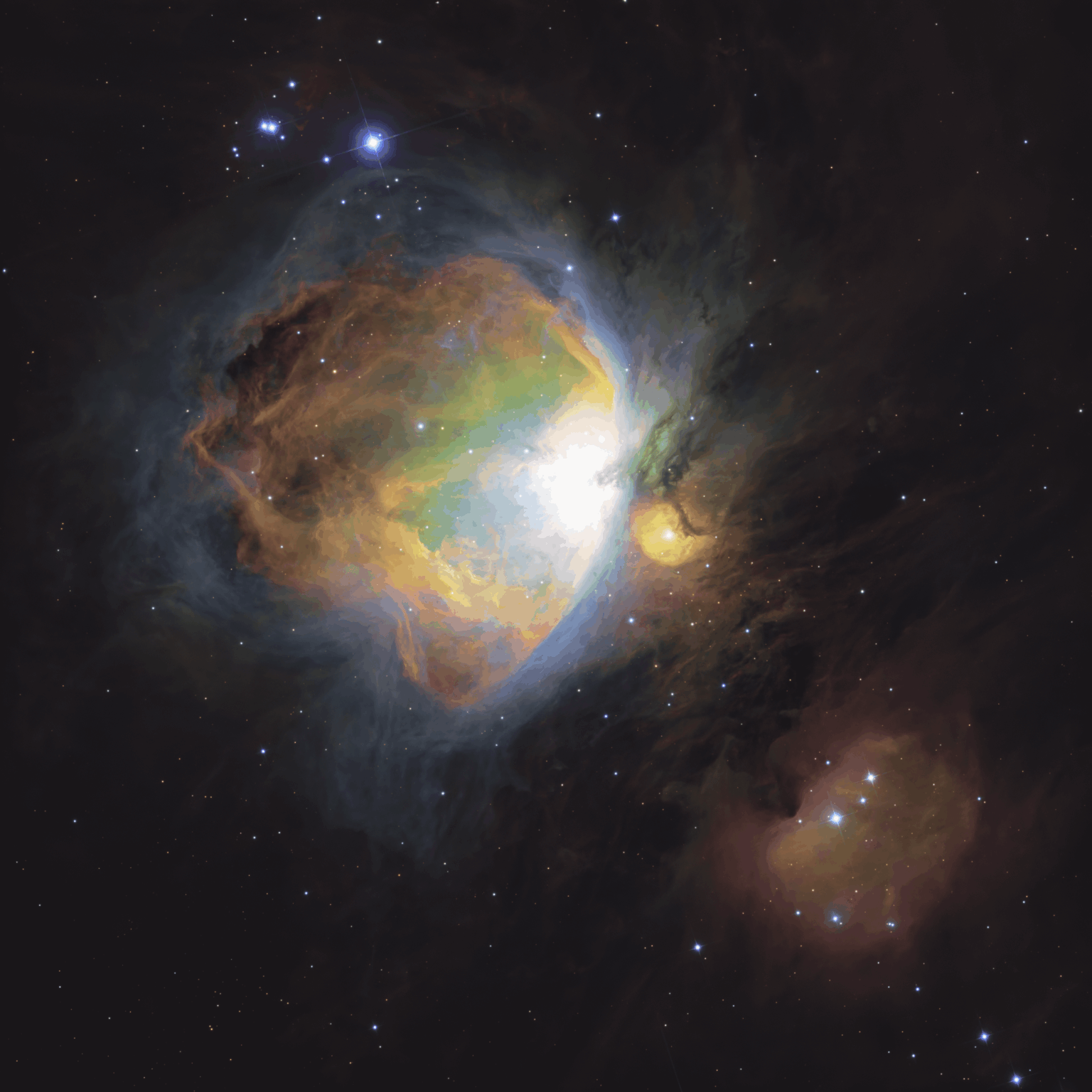
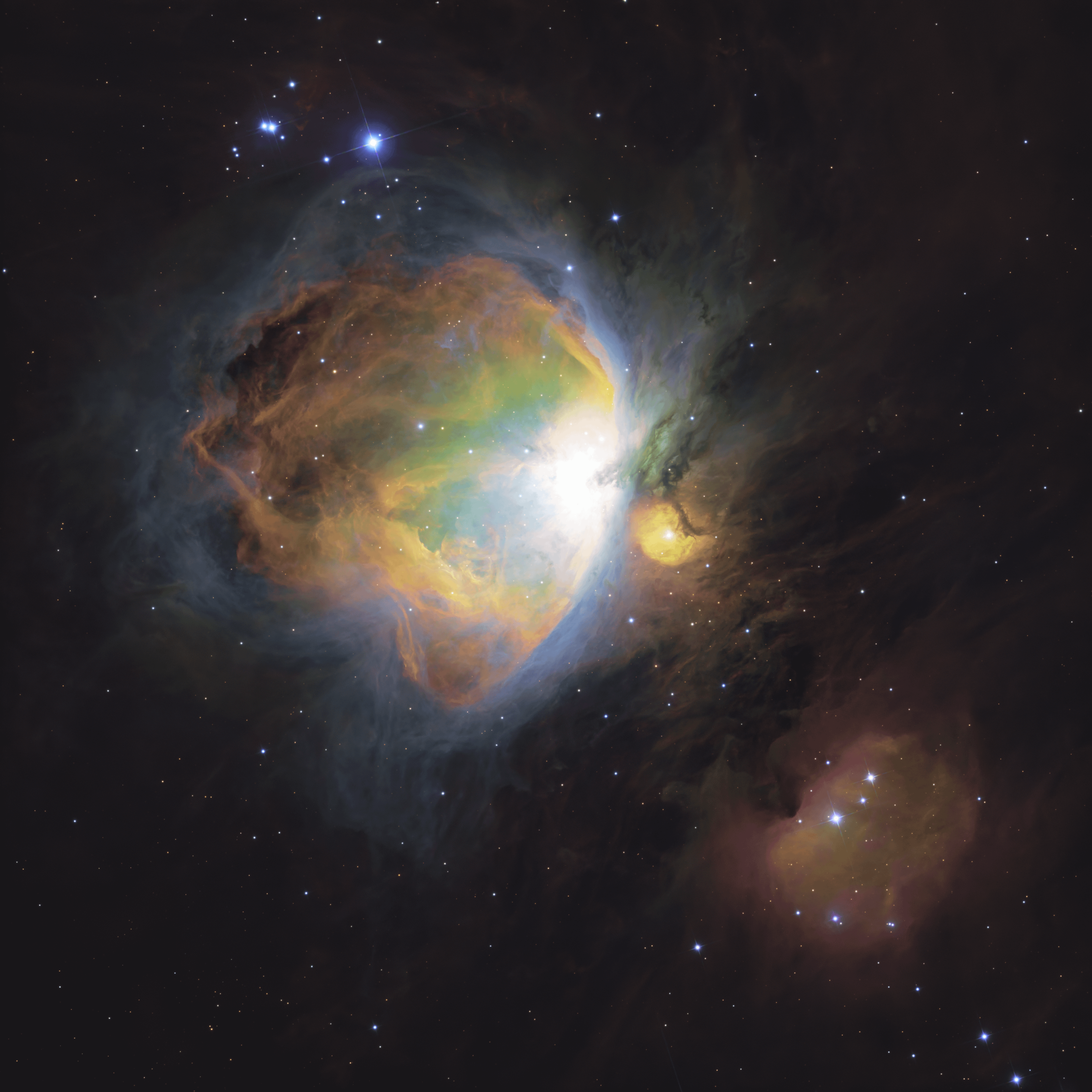
ThePletch on February 7, 2026 12:24 am The sulfur is a LOT fainter than the Ha/Oiii but it’s so much less boring when you include it in a narrowband integration of this target. 600mm FL newt at f/4 reduced 0.75x to f/3, ASI533MM pro camera. antlia 4.5nm SHO filters, ZWO RGB filters for stars. 36×600″ Sii 50×180″ Ha 50×180″ Oiii 10×45″ each RGB for stars total integration time of ~11h shot in B7 skies processed in pixinsight

1 Comment
The sulfur is a LOT fainter than the Ha/Oiii but it’s so much less boring when you include it in a narrowband integration of this target.
600mm FL newt at f/4 reduced 0.75x to f/3, ASI533MM pro camera.
antlia 4.5nm SHO filters, ZWO RGB filters for stars.
36×600″ Sii
50×180″ Ha
50×180″ Oiii
10×45″ each RGB for stars
total integration time of ~11h
shot in B7 skies
processed in pixinsight