
The European Space Agency (ESA) is actively adopting augmented reality technologies—from astronaut training to open platforms for developers and the general public. They expect these tools to transform the approach to space operations and the popularization of science.
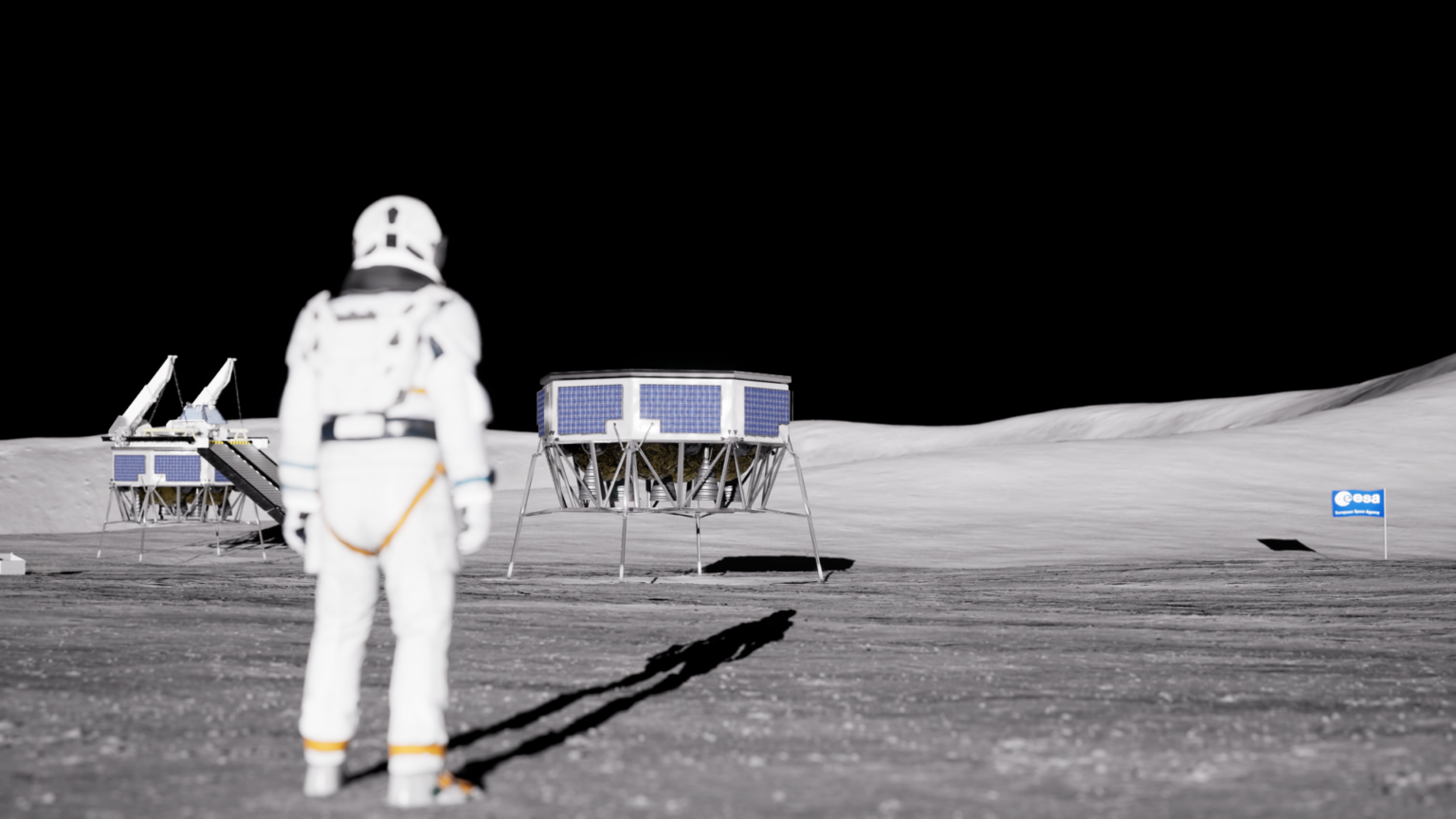
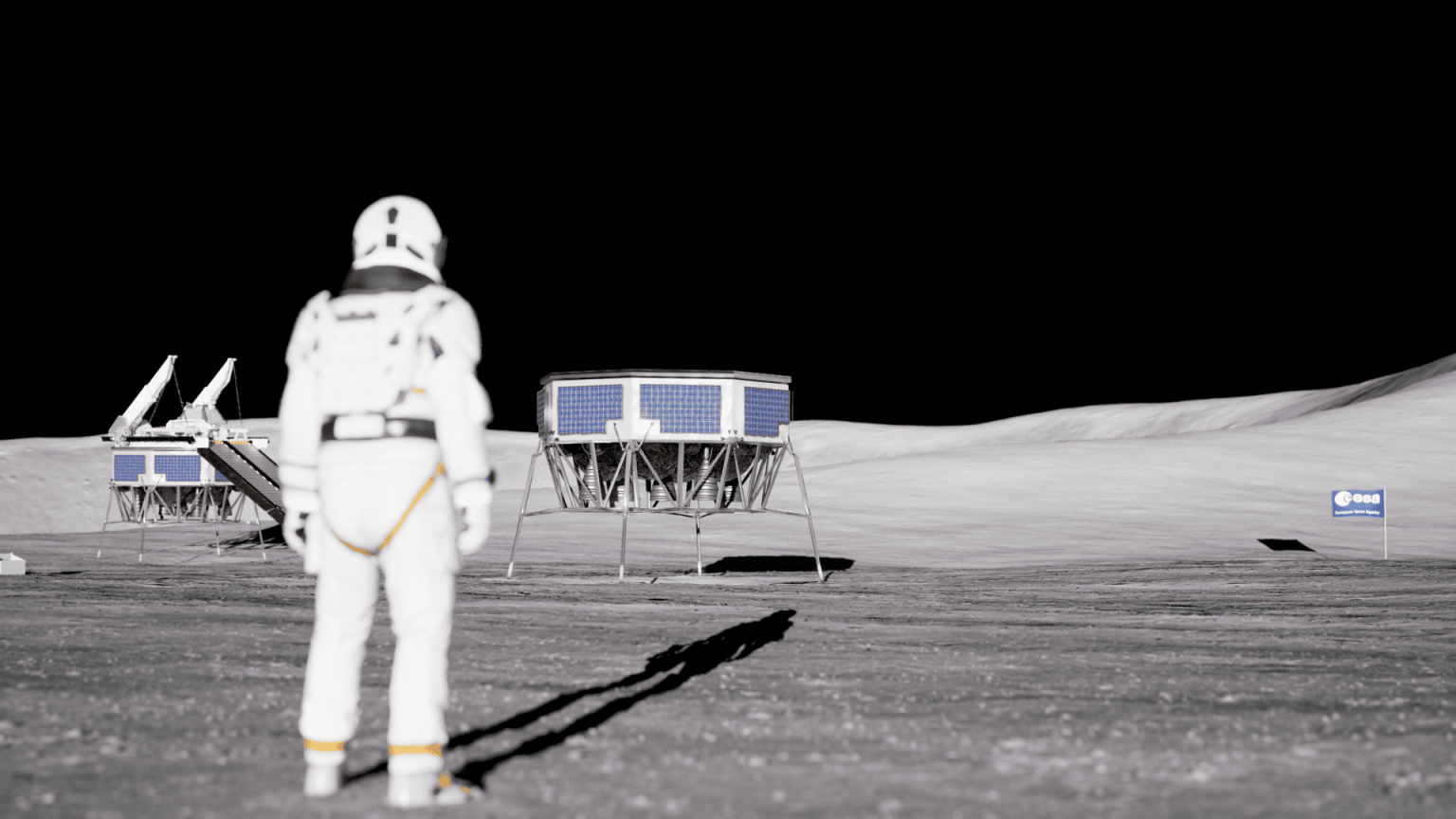 ESA’s XR Lab has developed LUNA-XR—a virtual replica of the LUNA facility, an analog lunar training site, featuring realistic, uneven terrain for astronaut training. Source: ESA
What is XR, and why is it important for space exploration?
Extended Reality, or XR, is an abstract term that encompasses several related technologies. Virtual reality (VR) fully immerses a person in an artificial environment, augmented reality (AR) superimposes digital elements onto the real world, and mixed reality (MR) combines both approaches—allowing users to interact with digital objects in physical space.
ESA develops this combination of three areas specifically for astronaut training, internal operations, and promoting space exploration to the general public.
Training on Earth in preparation for a space mission
ESA’s XR Lab is based at the European Astronaut Centre (EAC) in Cologne. There, astronauts use a virtual environment to study the layout of the International Space Station (ISS), practice operating a robotic arm, and train for spacewalks—all without leaving Earth.
The next step is to transport these instruments directly to the ISS. The Mixed Reality Facility project is already adapting XR devices for use in microgravity environments: they will help the crew follow instructions right before their eyes while keeping their hands free, stay in touch with their families in shared virtual spaces, and even stay motivated during their daily physical workouts.
An open platform for developers
ESA has also released the ESA XR Plugin—a toolkit for developing XR applications based on the Unreal Engine and the OpenXR open standard.
Developers and companies can use it for their products while retaining full commercial rights. The kit is also available to high school and college students.
Space in the living room
The agency offers several XR experiences for a wide audience: you can “materialize” a model of the Hera planetary defense spacecraft in your own room, take a virtual tour of a museum, or experience a rocket launch and weightlessness. At the same time, ESA XR Universe—a multiplayer platform for collaborative work in virtual spaces—is being developed.
A pilot version will soon be launched within the agency for collaborative design reviews and analysis of Earth remote sensing data, and will subsequently be made available to the public.
According to ESA