
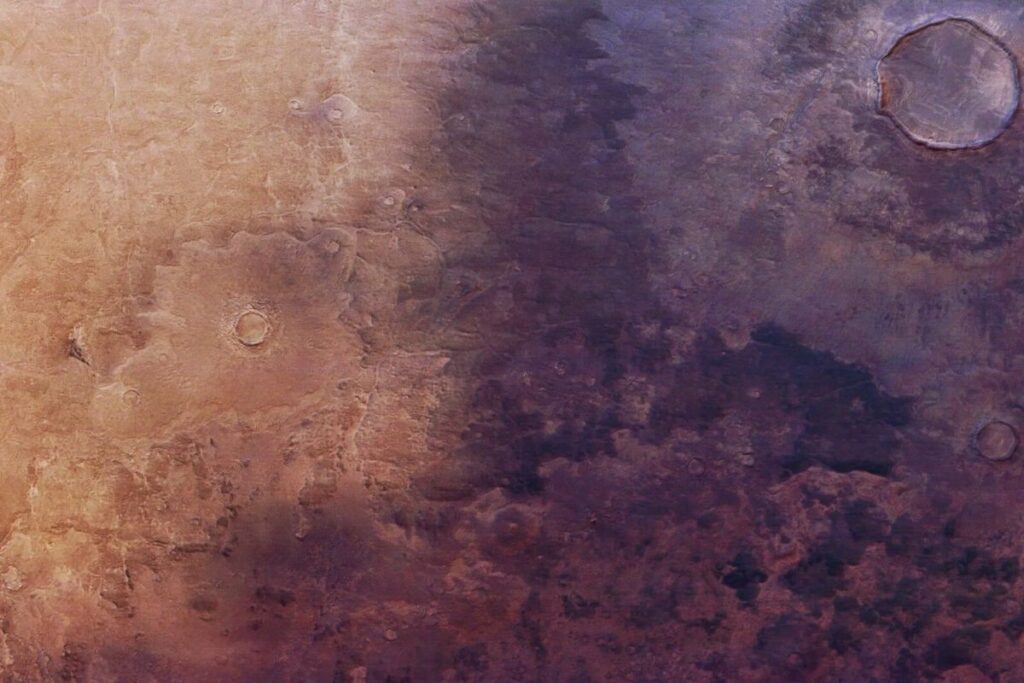
Astronauts are still a while away from ever reaching Mars in person, yet high resolution images have been captured of the big red planet over the years showing an alarming shift compared to an iconic photo from 1976.
Mars remains one of the space community’s biggest fascinations – and for good reason too – as its close proximity to Earth is contrasted by the fact it has remained elusive to every single space agency, keeping an air of mystery about its surface.
NASA and other similar institutions have used robots and rovers over the years to explore the planet remotely, collecting vital scientific samples that provide a better picture of what life might be like roughly 140 million miles (225 million kilometers) away from home.
There are currently training programs and various experiments that are preparing for the possibility of a Mars mission in the near future, but astronauts will have to wait until issues surrounding fuel and supplies are overcome before they can set off.
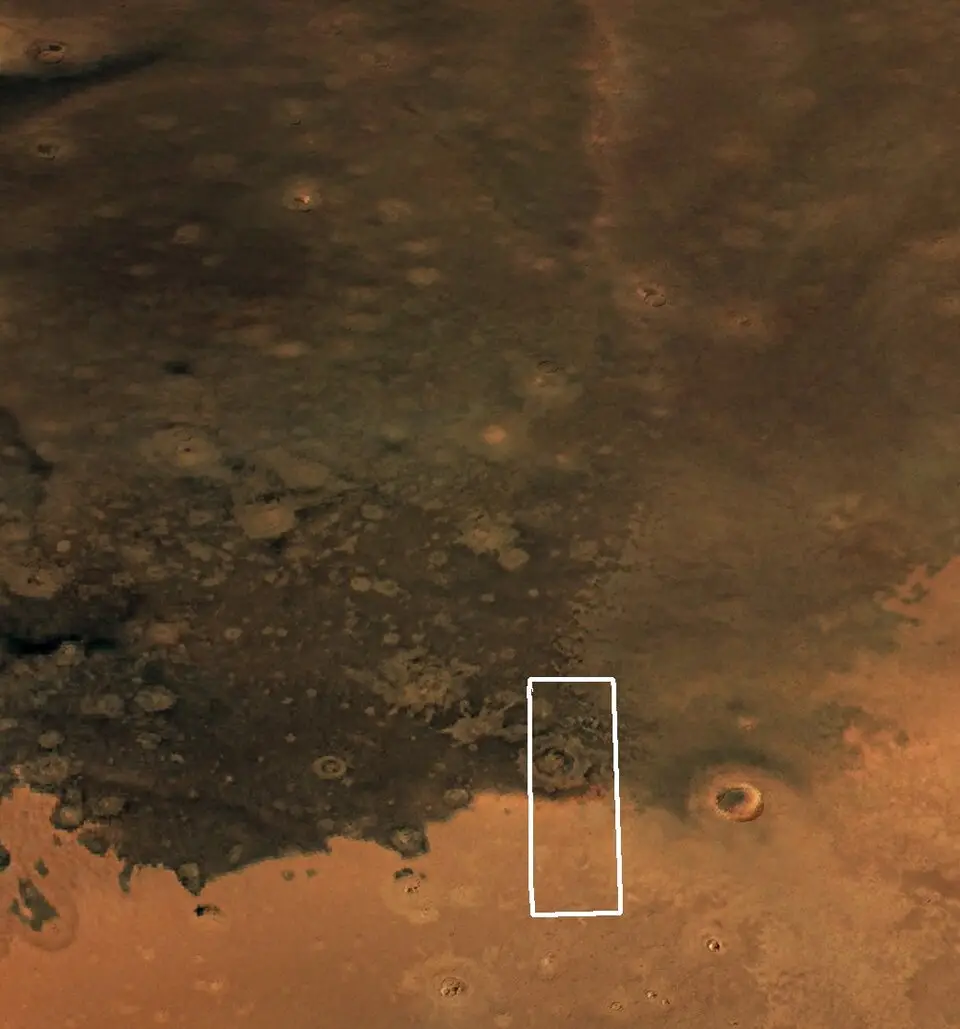 A new photo capture by the ESA’s Mars Express has shown the dramatic change experienced by the planet over 50 years (ESA/DLR/FU Berlin)
For the time being, however, we can still capture incredibly high quality images of the planet’s surface, yet one recent photo has revealed an alarming detail seemingly overtaking Mars that’s even more noticeable when compared to an iconic photo all the way back in 1976.
History was made back in 1976 when NASA’s Viking Project became the first spacecraft to land safely on the surface of Mars, returning jaw-dropping images of the planet’s surface as part of its incredible mission.
While experts have been able to capture photos of a far higher quality, covering much more of the planet’s surface in the decades since, it remains still a monumental moment in space history that’s often looked back on.
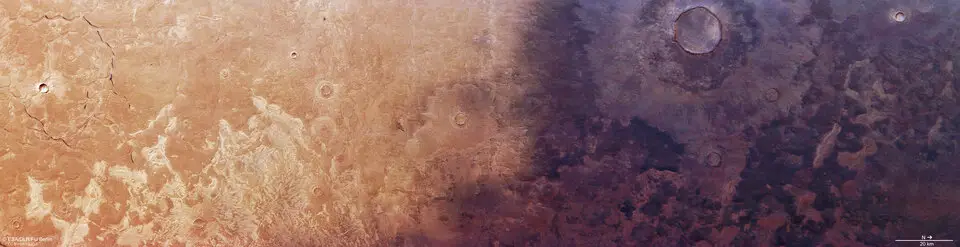 Volanic ash has spread across Mars’ surface at a rapid rate, surprising some scientists (ESA/DLR/FU Berlin)
That reflection has caused concern following new images captured by the European Space Agency (ESA), as the photos taken with the Mars Expresses’ High Resolution Stereo Camera (HRSC) reveal an increase in volcanic ash creeping across the planet.
“Differing from the ochre-colored dust and broken up rock that covers most of Mars, this dark material is thought to have been made and distributed by volcanoes,” the ESA explains.
This isn’t exactly a surprise considering the fact that Mars is home to Olympus Mons – the largest known volcano in our entire solar system – yet the speed at which this ash has spread has likely surprised scientists.
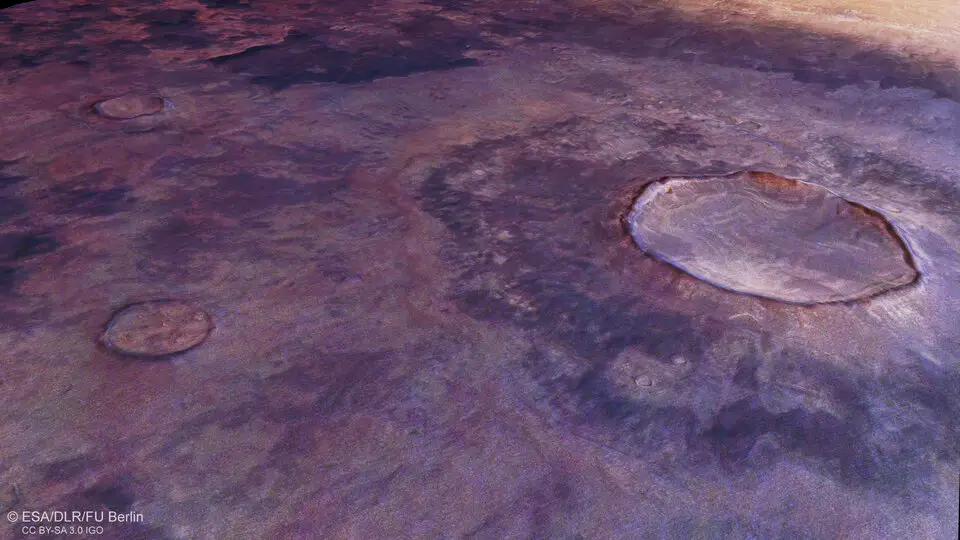 Martian winds have either moved the volcanic ash or blown away the dust that was previously covering it (ESA/DLR/FU Berlin)
“The spread of the ash over the last 50 years has two possible explanations,” the ESA continues. “Either it has been picked up and moved about by martian winds, or the ochre dust that previously covered the dark ash has been blown away.”
A side-by-side comparison of the Viking Project photo and the one captured by the Mars Express reveal quite how extreme this is, and it proves that Mars is in a constant state of change that could also impact other key areas of the nearby planet.