
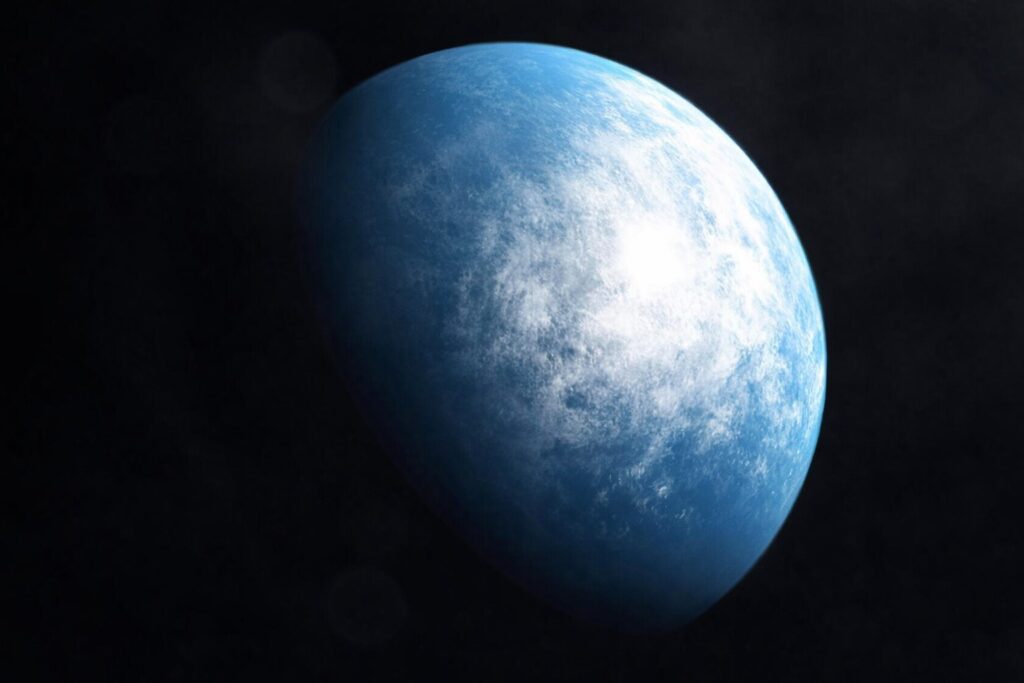
In the search for extraterrestrial life, humanity constantly peers through telescopes, hoping to catch a glimpse of that familiar blue glow. However, new research by scientists at the University of Washington is forcing us to rethink the criteria for what constitutes a “living” planet. It turns out that for a planet the size of Earth to maintain a stable climate, it’s not enough to simply have water—there has to be a critical amount of it. According to simulation data, a planet requires at least 20–50% of the volume of Earth’s oceans to initiate and sustain a natural thermoregulatory mechanism. Without this, even a planet located in the “habitable zone” is doomed.
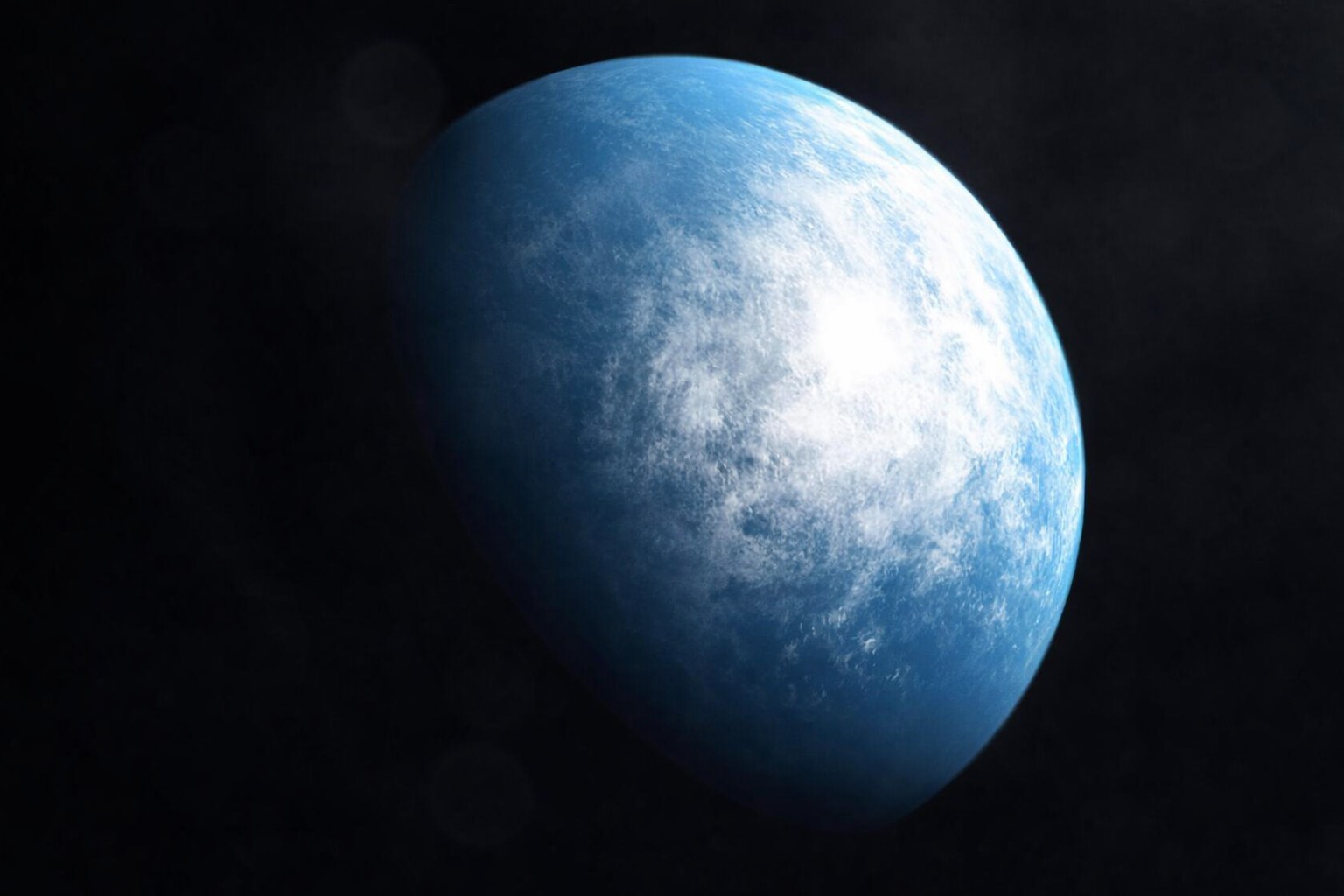 To be considered “habitable,” an exoplanet must have at least 20% of the volume of Earth’s oceans. Illustration: NASA
As of today, astronomers have confirmed the existence of more than 6,000 exoplanets. Traditionally, the main criterion for the search has been the so-called “habitable zone”—the orbital range where temperatures allow water to remain in a liquid state. However, as the study’s lead author, Haskelle White-Gianella, notes, the presence of water alone does not guarantee biological flourishing.
“When you are searching for life in the broad landscape of the universe with limited resources, you have to filter out some planets,” she explains.
Scientists sought to understand the fate of “arid” worlds—planets where water is significantly less abundant than on Earth. Could they be habitable, or are they merely cosmic mirages? The answer turned out to be buried deep within geology.
Geological thermostat
The key to a stable climate is the geological carbon cycle. It is a massive planetary conveyor belt that regulates the amount of carbon dioxide (CO2) in the atmosphere. The process works like this:
Volcanic activity: Volcanoes constantly release CO2 into the atmosphere, contributing to the greenhouse effect.
Precipitation: Rainwater absorbs carbon dioxide and reacts with rocks on the surface.
Transportation: Rivers carry the products of these reactions (carbonates) into the oceans, where they settle on the seafloor.
Plate tectonics: The movement of oceanic plates pushes this carbon back into the mantle, where, millions of years later, it will re-emerge through volcanoes.
This system acts like a thermostat: if it gets too hot, evaporation increases, rainfall becomes more frequent, and the rain washes away excess carbon dioxide more quickly. However, this mechanism only works when there is enough water to produce sustained precipitation and runoff.
The “stove” effect
If there is too little water on the planet—less than 20% of the Earth’s volume—the system breaks down. Carbon removal through weathering becomes impossible due to the lack of regular rainfall. Volcanoes continue to release CO2 into the atmosphere, creating an uncontrollable greenhouse effect.
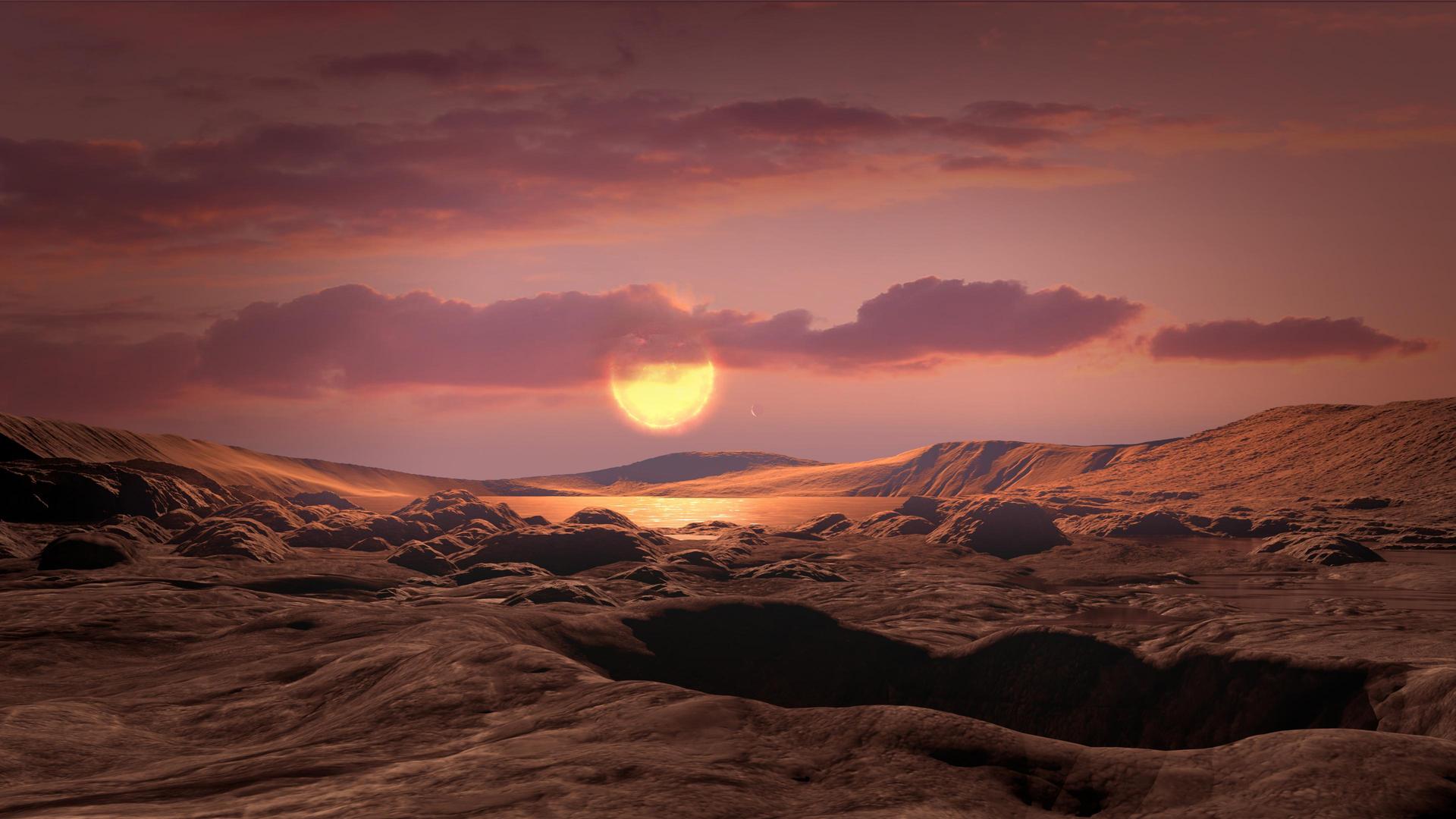 If an exoplanet’s water content is less than 20%, it will inevitably become a hellish, lifeless world. Illustration: NASA
The temperature rises rapidly, evaporating the last traces of surface moisture. This sets off an irreversible chain reaction. As a result, the planet becomes a “hell” where surface temperatures are high enough to melt lead.
“Unfortunately, this makes arid planets in habitable zones extremely unlikely candidates for life,” concludes White-Gianella.
Venus: A Mirror of Earth’s Future
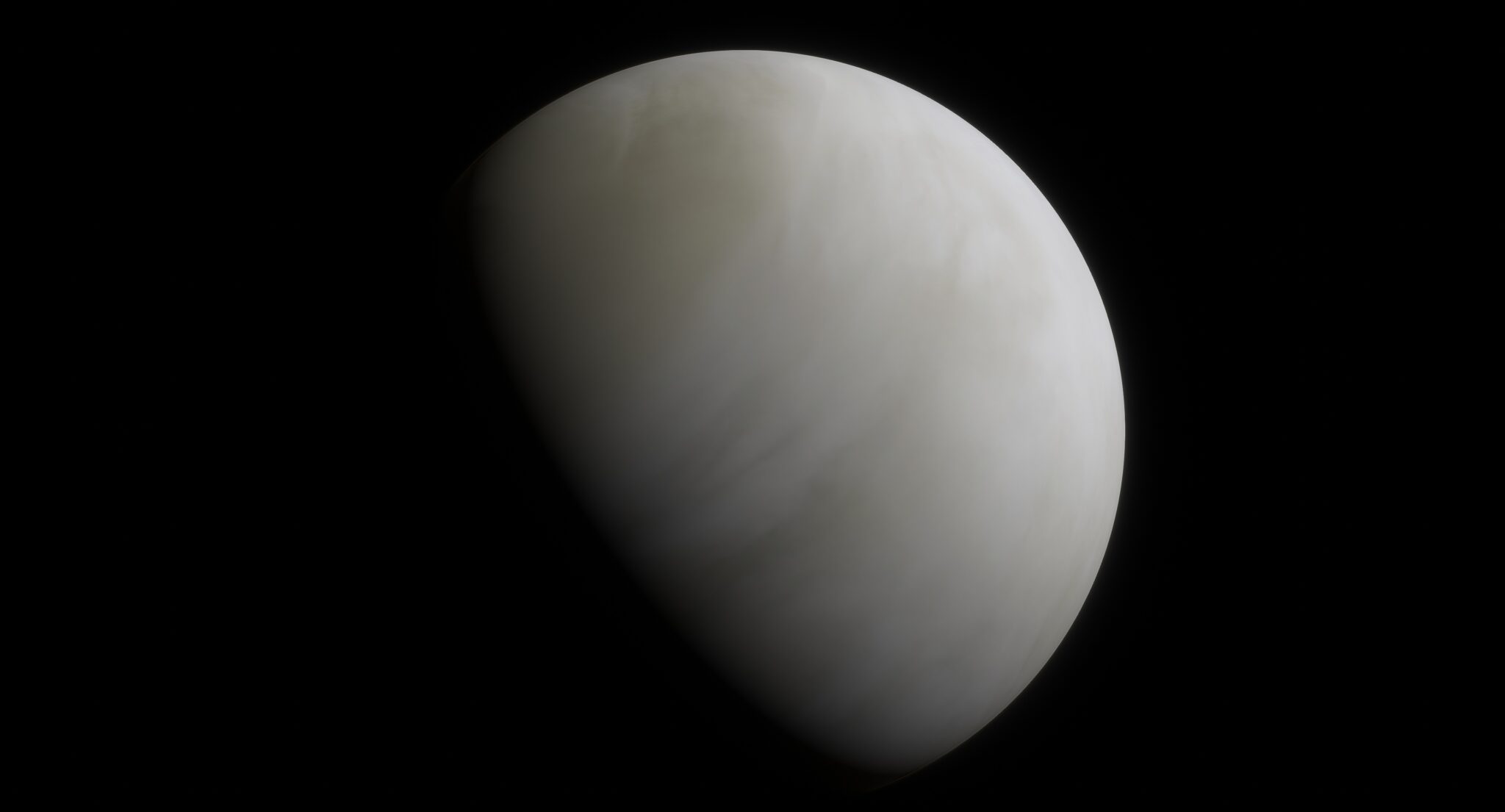 Venus. Image: Space Engine
The best example of such a catastrophe is right next door. Venus is almost identical to Earth in size and mass. It likely formed from a similar supply of materials, but may have had slightly less water due to its proximity to the Sun. Today, conditions on its surface are horrific: the pressure feels like ten buses are crushing down on you, and the heat exceeds that of a pizza oven.
Researchers believe that it was a disruption in the carbon cycle caused by a lack of water that turned a potentially habitable world into a toxic hell. Venus is the perfect analog of a dead exoplanet that we can study up close.
Future missions
For this study, the team developed complex mechanistic models that, for the first time, took into account not only solar radiation but also wind dynamics and the specific characteristics of evaporation in arid regions. This made it possible to refine the “water threshold” for rocky worlds.
Although modern instruments, such as the James Webb Space Telescope (JWST), already allow us to study the atmospheres of distant planets, directly observing water on their surfaces remains a difficult task. However, future NASA missions to our neighboring planet, such as DAVINCI and VERITAS, will be able to confirm whether Venus truly lost its chance at life due to a “broken” thermostat.
These findings are of critical importance to astrobiology. Now, when selecting objects for detailed study, scientists will focus not only on the planet’s orbit, but also on whether it has enough “blood”—water—to keep its heart, in the form of a geological cycle, beating.
According to futurity.org