
By Chelsea Lenora Small,
Forward Times
https://www.forwardtimes.com/
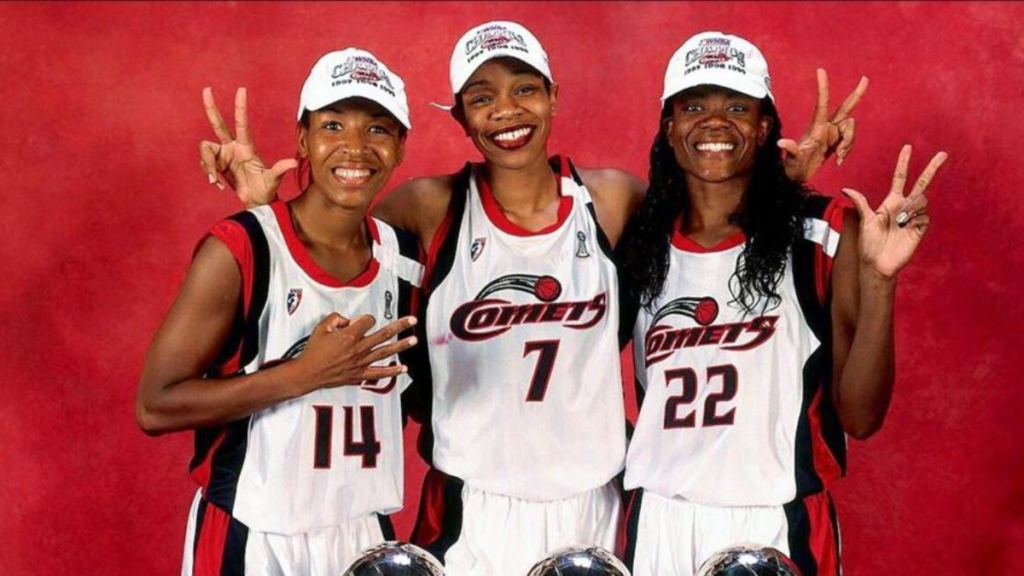
 Cynthia Cooper, Tina Thompson and Sheryl Swoopes pose with championship trophies during the Houston Comets’ historic run, helping launch the WNBA into national relevance.
Houston has been here before.
Before packed Toyota Center crowds for playoff basketball.
Before championship banners hanging from the rafters.
ADVERTISEMENT
Before women’s sports became a national conversation.
Houston was there at the beginning.
The Houston Comets were not just a team. They were the foundation. The first dynasty in WNBA history. Four straight championships from 1997 to 2000. Cynthia Cooper. Sheryl Swoopes. Tina Thompson. A franchise that did not just win. It defined what women’s professional basketball could look like.
And then they were gone.
For nearly two decades, Houston has asked the same question. When are the Comets coming back?
ADVERTISEMENT
Now, the answer is finally taking shape.
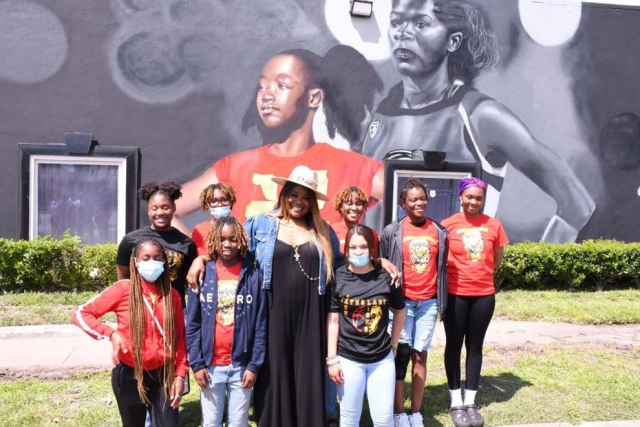 Sheryl Swoopes stands with the Jack Yates girls basketball team in front of her mural at Forward Times.
The Connecticut Sun are expected to relocate to Houston and revive the Comets name, with Rockets owner Tilman Fertitta agreeing to purchase the franchise for approximately $300 million. Pending league approval, the team would return to Toyota Center and reestablish Houston as a WNBA city.
And the momentum is already building.
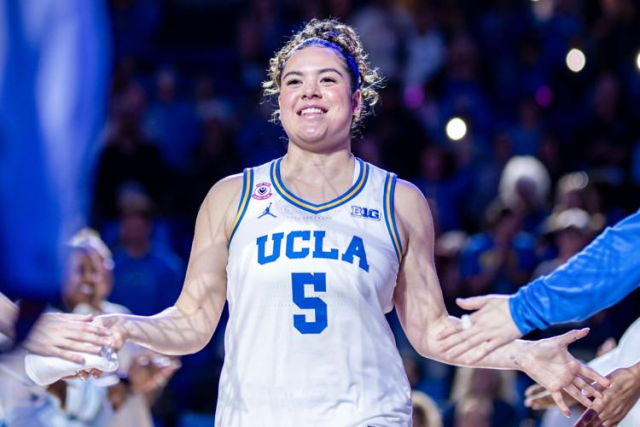
During Monday night’s WNBA Draft, the franchise that is expected to become the Comets selected 19-year-old French wing Nell Angloma with the 12th overall pick. They also added UCLA sharpshooter Gianna Kneepkens and playmaker Charlisse Leger-Walker, beginning to shape a young roster that could eventually take the floor in Houston.
The team has also signed Houston native Brittney Griner, one of the most decorated players in WNBA history.
ADVERTISEMENT
The Comets are not coming back quietly.
They are coming back with a cornerstone.
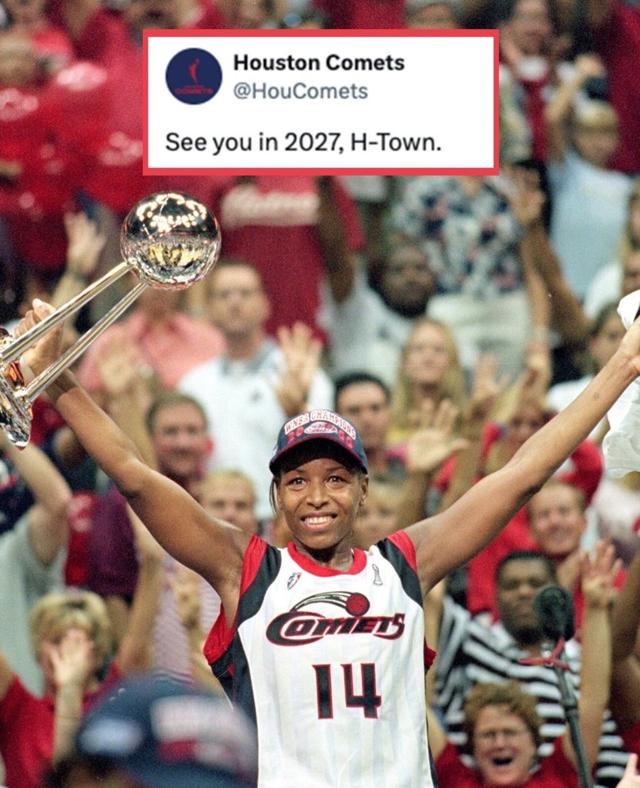 Cynthia Cooper celebrates during the Houston Comets’ championship era as the franchise prepares for its return.
Why This Matters to Houston
Houston is one of the most diverse cities in the country. It is also one of the largest cities without a current WNBA team. For years, that gap has felt noticeable. Especially in a city that has produced elite women athletes across basketball, track, soccer, and beyond.
The return of the Comets changes that.
ADVERTISEMENT
It gives young girls a professional team to grow up watching.
It gives local athletes a home market.
It gives the city another major franchise rooted in legacy.
And it restores something Houston once led.
Because the Comets were not just successful. They were historic.
They helped launch the WNBA into national relevance. They drew crowds. They created stars. They proved women’s professional basketball could thrive in a major market. And they did it from Houston.
That legacy never really left Houston. It shows up in the way the Comets are still talked about. It shows up in the players this city continues to produce. And it shows up in spaces that have intentionally kept that history visible, including here at Forward Times.
In 2022, Forward Times partnered with Nike to commission a mural honoring Sheryl Swoopes, one of the most influential players in WNBA history and the first player signed to the league. Swoopes visited the Forward Times office to celebrate the piece, which still stands today, a visible reminder that Houston’s connection to women’s basketball has never faded.
The Timing Matters
The return of the Comets is happening at a moment when women’s sports are experiencing unprecedented growth.
Television ratings are rising.
Attendance is climbing.
Sponsorship dollars are increasing.
Expansion teams are being added.
Even the WNBA Draft reflected the shift. Top pick Azzi Fudd was selected No. 1 overall by the Dallas Wings, headlining a class entering a league with rising salaries and expanding roster opportunities under a new collective bargaining agreement.
The league is also expanding to multiple new markets over the next several years, creating more opportunities for players and more demand for teams.
Houston’s return comes right in the middle of that momentum.
This is not a comeback rooted in nostalgia alone. It is happening at a time when women’s sports are becoming a central part of the sports economy.
Houston is not the same city the Comets left.
It is bigger.
More diverse.
More invested in women’s sports.
More aware of representation.
The return of the Comets also aligns with a broader shift in how sports franchises connect to community. Women’s teams often become cultural anchors, not just entertainment. They create access. They host youth clinics. They connect with schools. They become visible in ways that extend beyond the court.
Houston has always responded to that.
When the Comets were winning championships, they were embraced across the city. Not just by basketball fans, but by families, schools, and communities that saw themselves reflected in the team.
That opportunity exists again.
But this time, it arrives in a different landscape. One where women’s sports are not fighting for visibility. They are commanding it.
The Return Feels Different
There is something symbolic about the Comets returning now.
A franchise that helped launch the league.
Returning during a moment of league expansion.
In a city that helped define its early success.
It closes a circle.
For longtime fans, it brings back memories.
For younger fans, it creates something new.
For the city, it restores a missing piece.
Houston helped build the WNBA.
Now, the WNBA is coming back to Houston.
And if history is any indication, the Comets will not just return.
They will contend.