
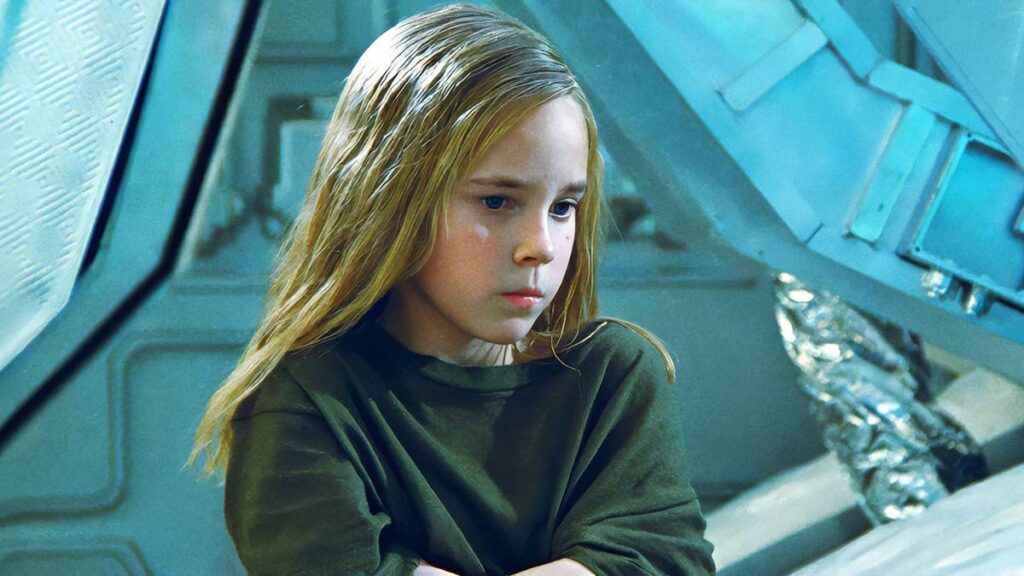
The instant Ripley (Sigourney Weaver) steps into the power loader, Aliens stops being a survival story and becomes something else entirely. The room goes quiet except for the hum of machinery. Then she says it. Five words that cut through decades of fear and silence — “Get away from her, you bitch.” Across decades of final girls, from Laurie Strode (Jamie Lee Curtis) to Sidney Prescott (Neve Campbell), few moments have captured the transformation from victim to victor with such clarity. Ripley’s command was more than a taunt, it was the sound of a woman claiming authorship of her own survival. The instant she steps from the smoke inside that power loader, the film changes. What follows is not just a fight for life, but a confrontation between two mothers who will do anything to protect their children. It evolves from Alien’s claustrophobic haunted house in space setup to a story about confrontation instead of escape.
The Moment That Turned Survival Into Power
By the time Ripley faces the Xenomorph Queen, she has already endured everything the universe could throw at her. She survived Nostromo, stasis, corporate interrogation, and the loss of everyone she tried to save. She is dismissed, doubted, and used as bait for the same creature that destroyed her life. When she walks into Hadley’s Hope to rescue Newt, she is not motivated by vengeance or duty. She is acting out of something deeper and far more primal: the instinct to protect. That is the key to why “Get away from her, you bitch” hits so hard. The Xenomorph Queen represents everything Ripley has lost: her daughter, her crew, and her sense of safety. At that moment, she meets her equal. Both are caretakers, both have something to lose, and both will fight through fire to protect it. When Ripley climbs into the power loader, she reclaims agency in a world that has stripped it from her at every turn. The Company turned her into evidence, the Marines treated her like a civilian, and even the android who once betrayed her has to earn back her trust. But when she steps inside that yellow exosuit, she is no longer at anyone’s mercy.
This is the moment where survival changes shape. Ripley stops reacting to the world around her and begins shaping it. The power loader is less a weapon than a statement, proof that she will no longer be defined by what she escapes. Every moment reclaims a part of what has been taken from her.
Why “Get Away From Her” Still Defines the Final Girl
Nearly forty years later, that line remains the gold standard for horror’s evolution. The final girl trope has taken many forms, but Ripley remains the blueprint because her power is rooted in empathy. She fights because she cares. That emotional clarity has echoed through the genre ever since. When Scream arrived, Sidney Prescott’s defiance carried the same pulse of Ripley’s command. Laurie Strode’s return in Halloween (2018) revisited it too, reframing survival as something cyclical, inherited, and heavy. Even in stories like The Descent, Barbarian, or Ready or Not, the moment of realization is always the same: the final girl stops reacting and starts dictating her own survival.
Ripley’s line gave horror a new vocabulary for heroism. It showed that strength could be visceral and maternal at once, meaning that compassion could coexist with fury. In Alien, she was an everywoman placed under the lens of objectification and terror. In Aliens, she takes control of that gaze. “Get away from her, you bitch” endures not for its profanity or spectacle but for its catharsis: a woman who has been ignored, doubted, and traumatized finally being heard. Ripley’s words changed what horror allowed its heroines to be. Every final girl since has carried some trace of that defiance, whether she faces ghosts, masked killers, or something not of this world. The moment redefined the limits of survival, turning fear into fury and endurance into power. It was never just a line shouted into the face of horror, it was a promise that horror would no longer belong to the things that hunted us, but to the ones who fought back.
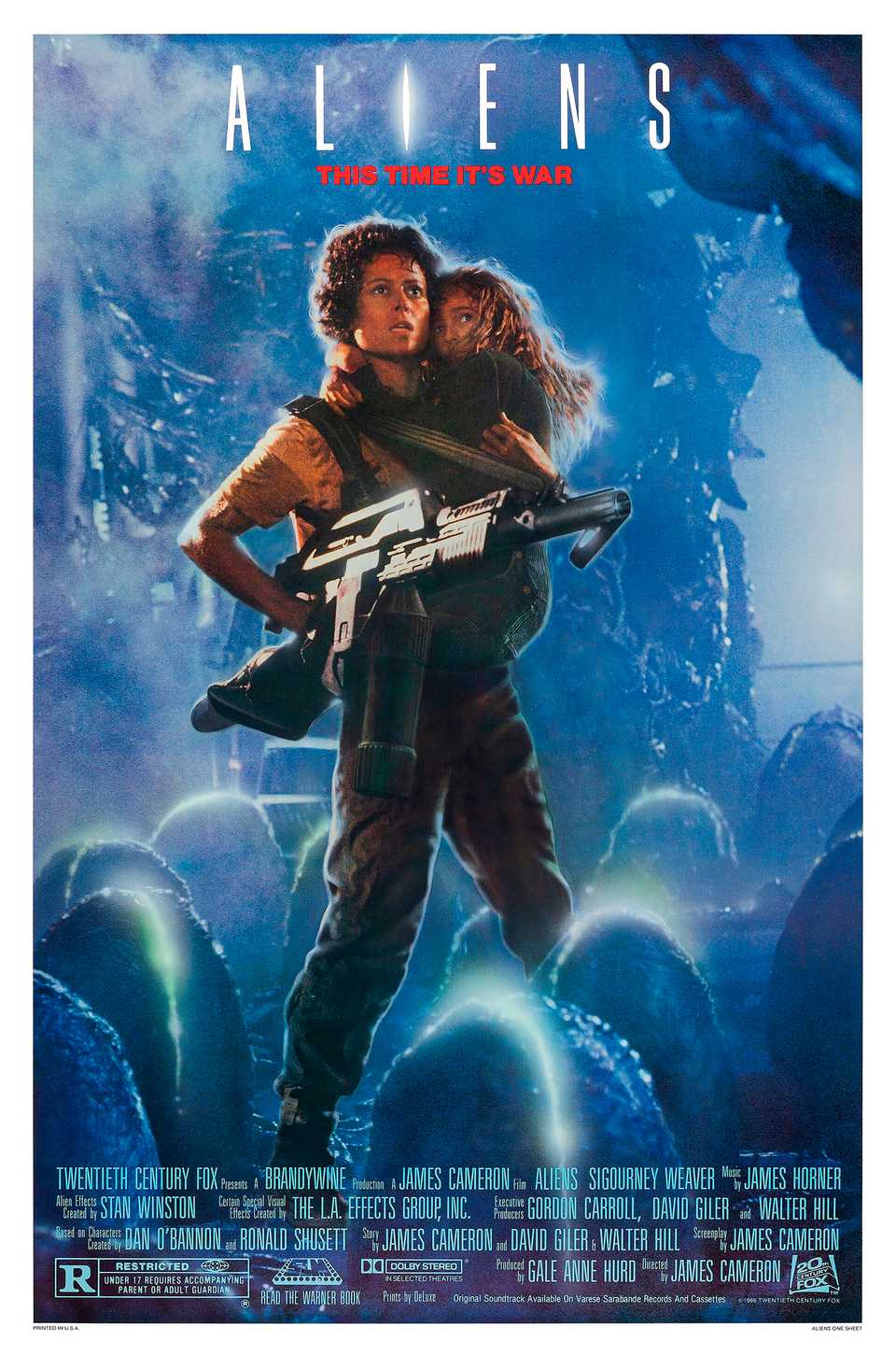
Release Date
July 18, 1986
Runtime
137 minutes
Director
James Cameron
Writers
James Cameron