
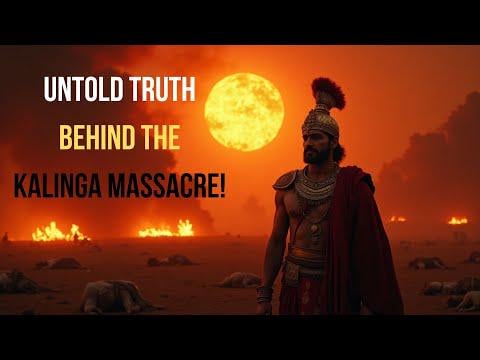
I recently finished researching ancient inscriptions and Bahujan critiques to explore a lesser-known angle of Ashoka’s transformation. In Rock Edict 13, he appears deeply remorseful after the Kalinga massacre — but scholars like Kancha Ilaiah suggest it may have been politically motivated.
Would love to hear from historians here:
- Is Ashoka’s remorse cited elsewhere in historical records?
- Are there alternative interpretations about why he embraced Buddhism so publicly?
Link to full 5‑min video (posted only at the end):
For those interested, I’ve compiled my script and visuals into a short video — but I’d love your reaction to any historical viewpoints I may have missed. (https://youtu.be/g4sXpNfS9dg?si=Xh2M75GseKFx7XYK)
by Antique-Cockroach949