
Reaching Out for Advice and Insight
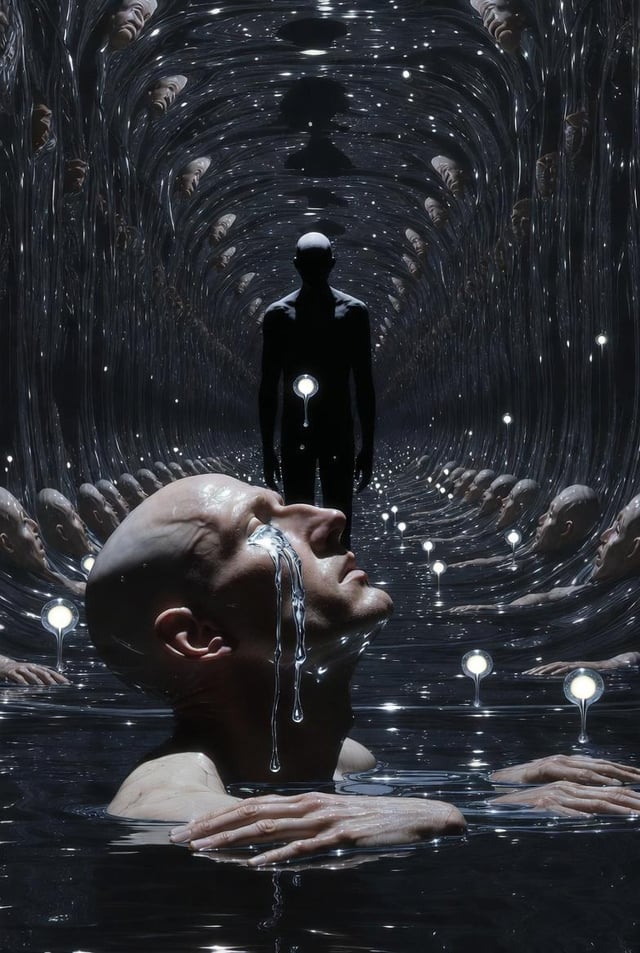
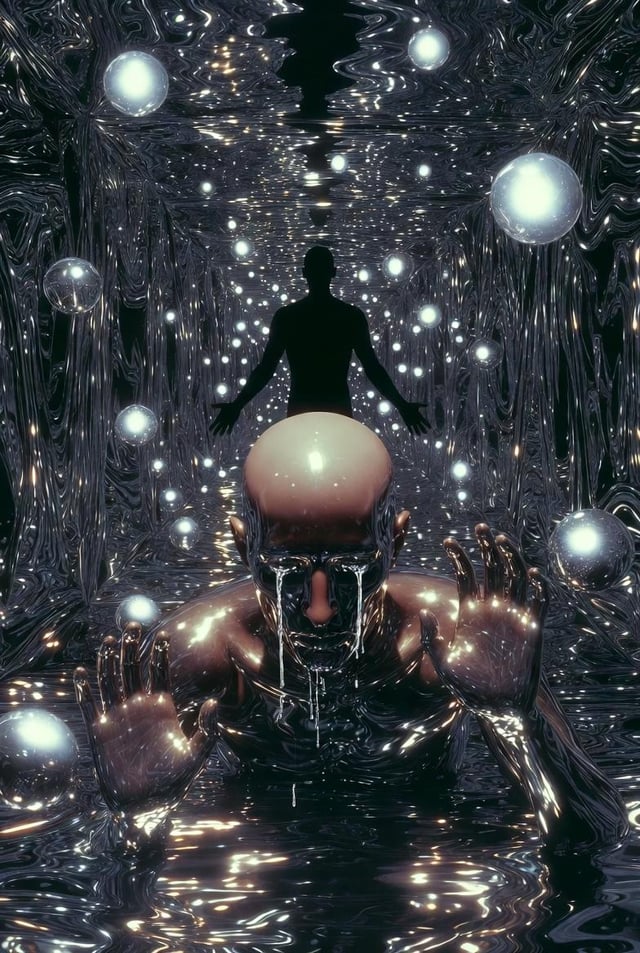
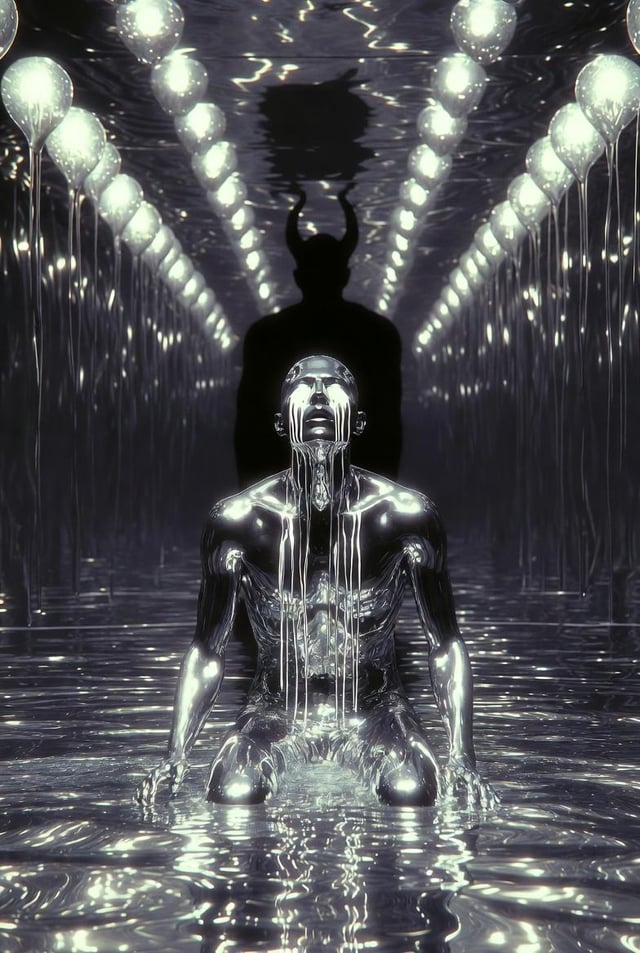
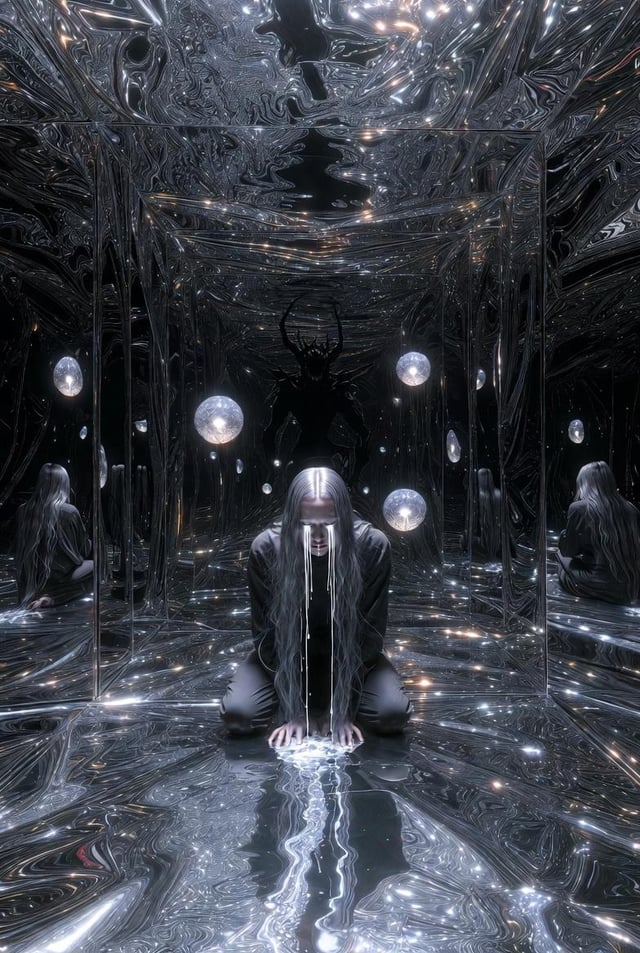
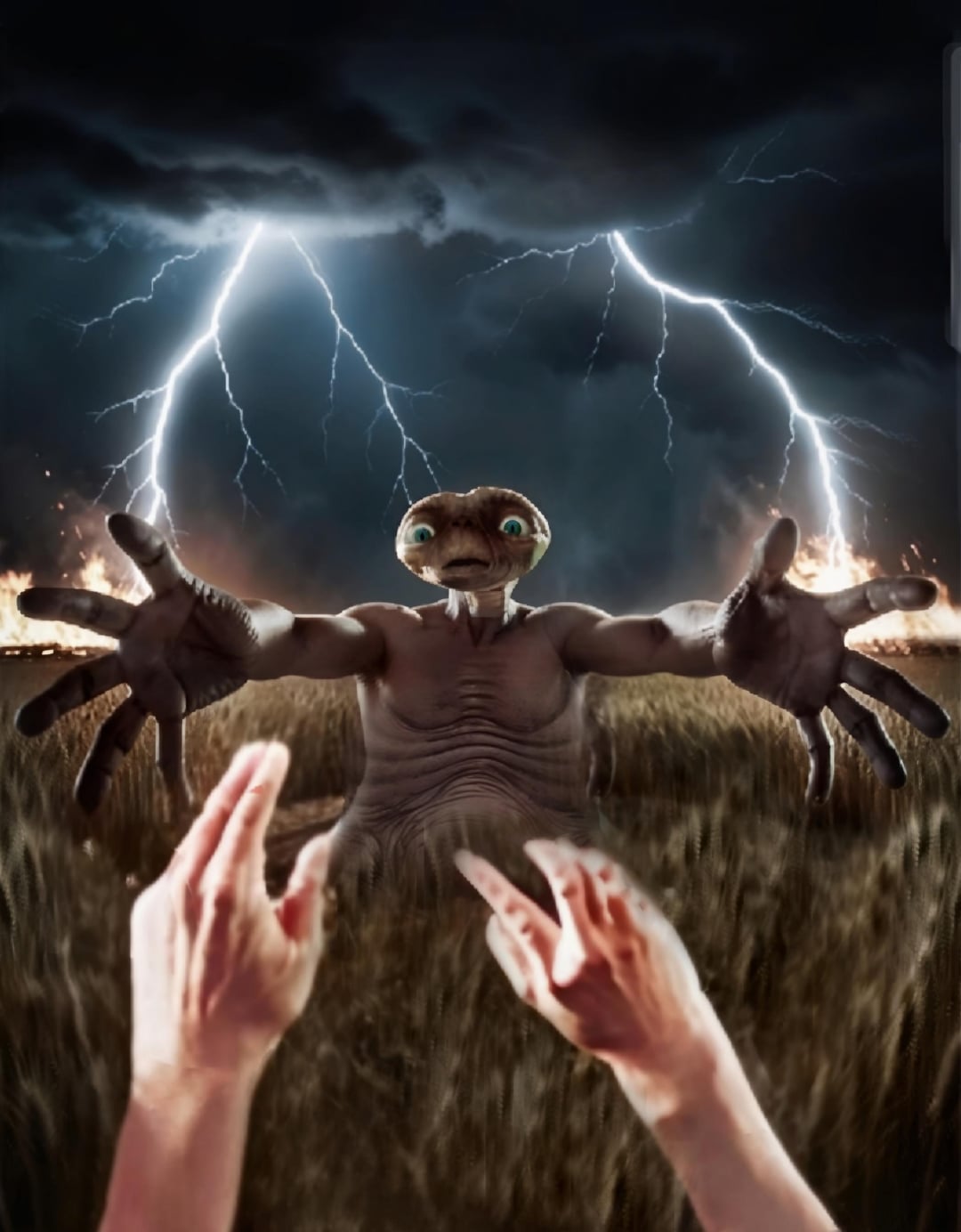
(pictures grok rendered for most accurate representation of experiences)
First and foremost, thank you for taking the time to read this. I’m sharing my experience in the hope that it resonates with someone, or perhaps even sheds light on something you or a loved one may have gone through. I’m also reaching out for advice, insight, or even just validation—because what I experienced has left me with more questions than answers.
The Context: Detoxing from Suboxone
A year and a half after my second divorce, I found myself back at my father’s house, trying to piece my life back together. I had been on Suboxone for four years, taking up to 24 milligrams a day. I’d withdrawn from heroin, oxycodone, and other opiates before, but nothing prepared me for what came next.
Suboxone withdrawal is notorious for being prolonged and brutal. The active ingredient, buprenorphine, has a long half-life of 24 to 60 hours, which means the withdrawal process can drag on for weeks or even months. I knew it would be hard, but I had no idea just how much harder it would be than anything I’d ever experienced. The physical pain was one thing, but the psychological toll was what nearly broke me.
I had a premonition that if I had to detox during a major event—like the lights going out—I wouldn’t survive. So I decided to go through the pain one more time, in the light, while I was still awake and aware. I used whiskey to take the edge off, thinking it might help me sleep. That was a mistake. Alcohol lowers your seizure threshold during withdrawal, and the combination of GABA suppression from the alcohol and glutamate rebound from the opiate withdrawal can trigger states similar to delirium tremens.
After six or seven days without sleep, my brain snapped.
The Break: A Realm Beyond Fear
I blacked out for three hours. When I came to, I wasn’t in my body anymore.
I was in a tunnel, pulled backward as if floating in an invisible basket. Then I was on my knees, wiping a mercury-like liquid from my face. It coated my hands, the walls, the ceiling—everything was a reflective, infinite mirror. I looked up, and my neck didn’t strain. My head was bent backward impossibly, as if my spine didn’t exist. And then I realized: I had no reflection.
This triggered a primal, animalistic fear—the kind I’d only felt during childhood sleep paralysis. But this wasn’t just fear. It was him. The same entity from my nightmares.
Then the bouncing started. I was thrown face-first into walls, ceilings, floors—no rhythm, no control. And with each impact, memories of my deepest emotional pain flashed through me. Not like a movie, but like raw, unfiltered reliving: grief, abandonment, shame, heartbreak, loneliness. Thirty-six years of trauma, from 1989 to 2024, in chronological order. Notably, physical pain was absent—only emotional agony.
This wasn’t random. It felt like something was extracting my fear. And the way it did it? With a sharp, digging, painful tickle—like a live wire or the cynical tickling from my childhood nightmares.
The Patterns: A Lifelong Connection
This wasn’t my first encounter with this entity.
When I was 10 to 12 years old, I experienced sleep paralysis with an E.T.-like demon—elongated head, huge eyes, and that chilling scream from my recurring nightmare. The same fear, the same rib-cage squeezing sensation.
From ages 18 to 23, I had recurring dreams of a wheat field turning to death, with the same entity. One night, after smoking weed for the first time, I grabbed its wrist in a cemetery. It recoiled, and I vomited white foam on it. It never came back.
At age 40, during Suboxone withdrawal, I encountered the chrome soul reaper. Same fear, same extraction, same sadistic precision.
These weren’t just nightmares. They were different depictions of the same event. My brain could only translate this realm using images I was familiar with—until the Suboxone detox broke the filter.
The Science: What Was Happening to Me?
Suboxone withdrawal can cause severe psychological symptoms, including hallucinations, depersonalization, and psychosis. Sleep deprivation amplifies these symptoms and can trigger hypnagogic or hypnopompic states—borderlands between wakefulness and sleep where entities like the "shadow people" or "hat man" are often reported.
The mercury-like liquid, the infinite reflections, the entity encounter—these are classic descriptors of a DMT breakthrough. DMT is endogenously produced in the pineal gland, and extreme stress, like withdrawal, may trigger its release. Some theorize it’s the molecule behind near-death experiences.
The rapid, chronological replay of my emotional pain mirrors life review experiences reported in near-death cases. The tickling sensation could be glitching neural pathways—my brain’s way of processing overload in the thalamus, the brain’s sensory relay station.
Sleep paralysis demons are reported across cultures, often described as the Incubus, Old Hag, or Kanashibari. Some researchers suggest they’re hypnagogic hallucinations, but why do they feel so real?
The Theory: Are We Emotional Batteries?
Here’s where it gets thought-provoking. If consciousness is fundamental and reality is a construct, then emotional energy could be the currency of this system. Suffering might equal fuel.
Gnosticism describes Archons—entities that feed on human fear and suffering, trapping souls in a false reality. Some modern theories suggest interdimensional beings may feed on human emotion, especially low-vibrational states like fear and despair.
I’m not saying I believe in demons. But I experienced something that felt designed to extract my pain. And the fact that it ignored physical trauma but focused only on emotional agony? That’s not random.
Why Me? Why Now?
Suboxone’s unique withdrawal may have lowered my brain’s defenses, allowing this experience to break through. Lifelong trauma created a rich emotional reservoir to tap into. The whiskey might have disrupted my GABA system just enough to unlock the door.
The Aftermath: What Do I Do With This?
I’m not the same. I remember it all—the liquid mirrors, the extraction, the absolute certainty that this was real. And I’m left with questions:
Was this a hallucination, a neurological storm, or a glimpse behind the curtain?
If entities feed on fear, what happens if we stop being afraid?
Is this why psychedelics often lead to ego death—because they disrupt the harvest?
A Call to Others
Have you experienced something like this? During withdrawal? Sleep paralysis? A near-death experience? I need to know I’m not alone.
And if you’re going through Suboxone withdrawal—don’t do it cold turkey. If your doctors have never suggested tapering, GET A NEW DOCTOR! Tapering is non-negotiable. The psychological toll is not worth the RISK. Especially, if you've never gone through it before. PLEASE, DON'T.
Final Thought
Maybe we’re not just meat and bones. Maybe we’re experiences waiting to be harvested. And maybe, just maybe, waking up means seeing the system for what it is.
Thank you again for reading this far. Whether you share your own story, offer advice, or just lend an ear, I
by LexBubble
2 Comments
Maybe this Itzhak Bentov video will answer some of your questions – [https://www.youtube.com/watch?v=KMbeK_6ATxQ](https://www.youtube.com/watch?v=KMbeK_6ATxQ)
I had a similar experience withdrawing from 7-OH. I’d been taking a lot of it for a long time. I figured it was gonna suck like quitting drinking sucked (bored, sad, etc). NO. It was a nightmarish journey through the darkest recesses of my mind and my memories, mixed with entities and feelings of possession, that lasted 3 days. I spent half the time in bed and half the time writhing on the wood floor. My psych actually recommended suboxone to get off of it. I’m really glad I didn’t take him up on that. Thank you for the post, it’s good to know I’m not alone. It’s crazy, you just can’t explain to the people who care about you how intense it really is. My wife says she gets it but really she wants me to just stop talking about it because it’s scary to her. And I get that. So I keep it to myself now. But I’m with you, brother. Something out there is eating our despair.