
Modern concrete often cracks within decades.
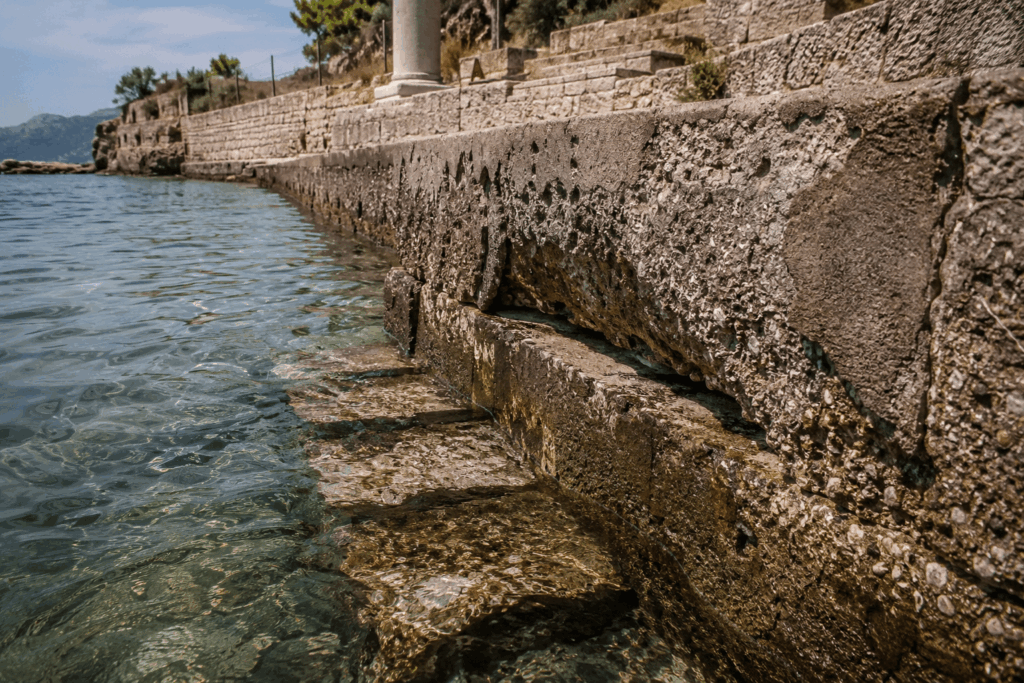
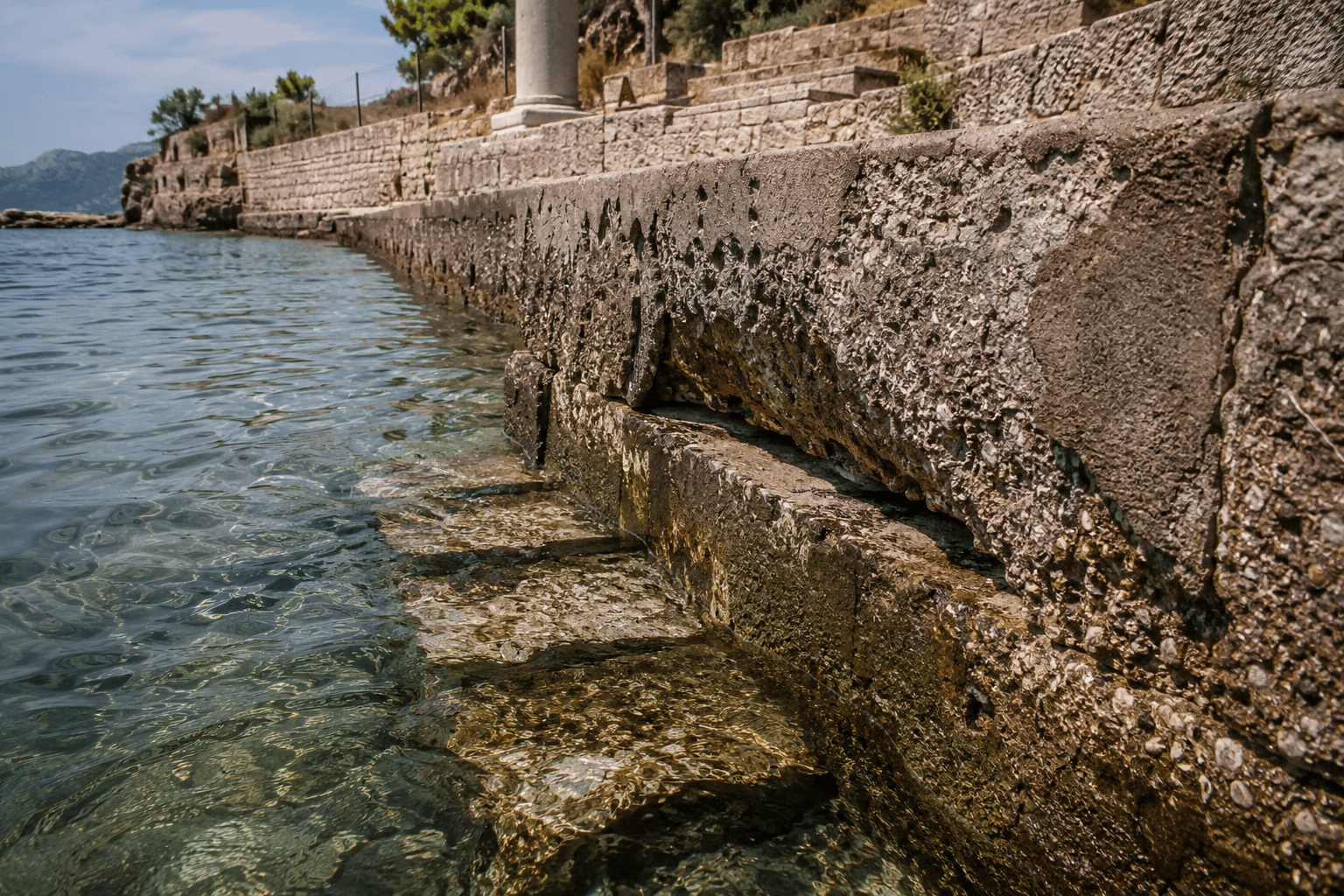
Roman concrete survived nearly 2,000 years underwater.
The secret wasn’t strength alone — it was chemistry.
Romans mixed volcanic ash, lime, and seawater to create a material that actually became stronger over time. Tiny cracks would trigger chemical reactions that naturally sealed the concrete again.
Meanwhile, many modern structures begin deteriorating after only 50–100 years.
Some Roman harbors, aqueducts, and domes are still standing today while modern concrete struggles against time.
Ancient engineering wasn’t primitive.
Sometimes… it was smarter.
by Separate_Cabinet_444
7 Comments
There are plenty of modern concrete structures that don’t crack, are waterproof and are doing work that’s way beyond anything the Romans did. Any modern dam for example. Any modern bridge. Its all about what you’re willing to spend. Cheap concrete doesn’t last.
Try building a skyscraper out of Roman concrete then get back to me
…..then someone figured out how to make it less expensive with built in obsolescence. KaChing
Ancient engineering wasn’t primitive. Ancient people were smart, no doubt but they weren’t smarter then us.
Also, Roman concrete wasn’t better in any way than the one we use currently. Your AI uses survivor bias to proof the urban myth. A lot of Roman structures deteriorated and the ones that survived are used against our buildings that also are affected by the elements. Now we understand the chemistry behind concrete and we can make it according to our needs. Sometimes the need isn’t to make it survive hundreds of years.
What’s the location of the image? It looks at least AI enhanced.
Where is that?
The industry term for Roman cement used to make concrete is “Pozzolanic” and they key ingredient is volcanic ash, as pointed out. Most modern cement used to make concrete is “Portland” type. Modern Pozzolanic cement does still exist and has been made using “Fly Ash” from coal fired power plant waste product. It does indeed harden under water. Chemistries of concrete and ingredients vary widely. Generally speaking, as one might guess, Portland type is much less costly.