
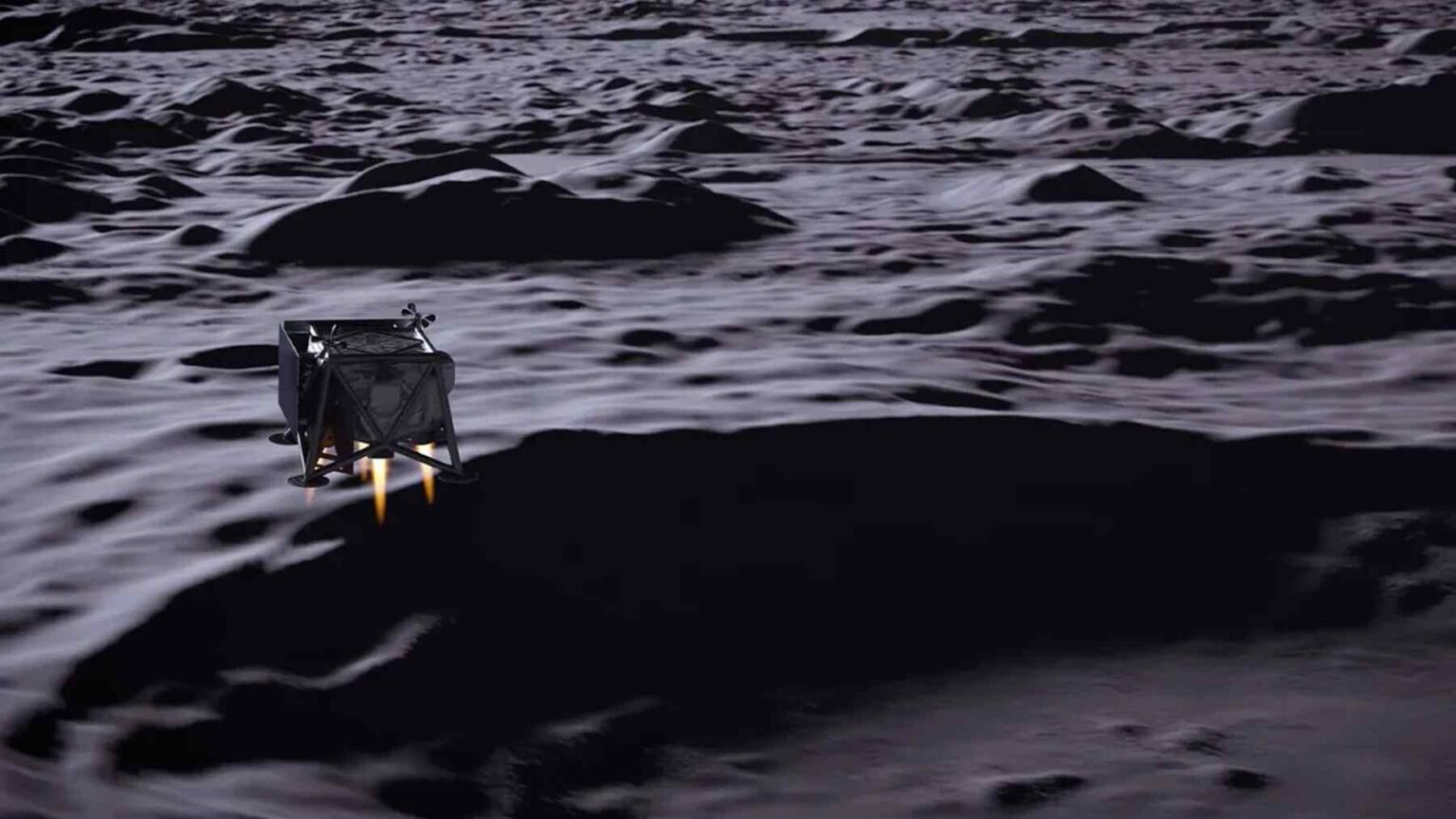
Before we land on the Moon, NASA is launching a different kind of mission.
A specialized fleet is preparing to scout the lunar surface before any humans arrive.
The agency knows the south pole still hides significant dangers. Unstable terrain and permanent communication blindspots remain major risks.
Now, a mysterious new vanguard will arrive to map these uncharted regions.
But what exactly is this second fleet composed of?
What do you think NASA’s new scouts are carrying?
How NASA is planning an all-new Moon patrol
NASA’s Artemis program is evolving into a mission far more complex than anyone previously imagined.
The space agency is no longer just visiting.
They want to establish a permanent human presence on the Moon.
To achieve this, astronauts require revolutionary technology.
In theory, the job is simple.
Map unexplored and potentially dangerous terrain before the first boots hit the ground.
These automated scouts must identify safe zones for future lunar bases.
NASA is particularly obsessed with the lunar south pole.
It’s a region of jagged peaks and pitch-black shadows.
Scientists believe these deep, frozen craters could hide vast reserves of water ice essential for life support and rocket fuel.
However, the low-angle sunlight at the pole creates deceptive shadows.
Steep cliffs and treacherous slopes are dangerously masked.
A lingering question remains. How will NASA safely scout these dark, “un-flyable” regions without risking a single human life?
The answer lies in a mysterious second fleet of small, autonomous explorers currently preparing for departure.
Beyond Artemis: The invisible vanguard preparing the moon for humanity
The Moon may look calm and peaceful from Earth.
But conditions on the lunar surface can be brutal.
Temperature differences are drastic, depending on which side you might be on.
The timeline to land a manned crew on the Moon has now been officially pushed back.
Communication can be a challenge, especially on the dark side of the Moon.
Which is why NASA is turning to new technology.
Future lunar systems may not rely on humans at all.
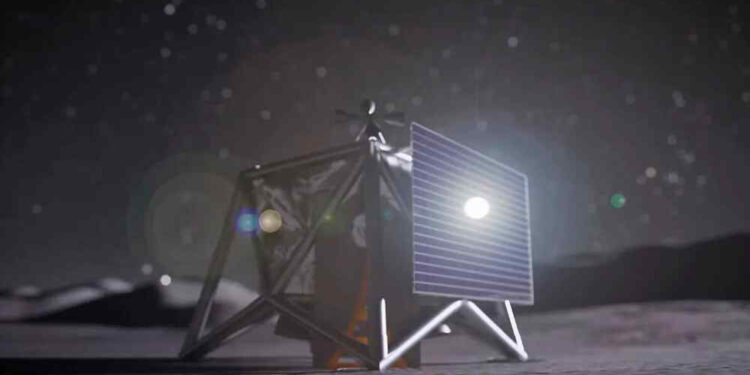 Image of a MoonFall drone – NASA / Jet Propulsion Laboratory
NASA now plans to land an unmanned mission on the Moon with cameras and other autonomous tech.
One major NASA project is already heading towards this reality.
A strange square structure on the surface has forced NASA to opt for autonomous technology.
This new fleet has a more cooperative nature.
So how exactly is NASA planning to conduct studies before humans land on the Moon?
The answer is the Moonfall Project.
One small step for robots, one giant leap for mankind
The new fleet that NASA will send will consist of no humans at all.
Only several autonomous robots and technology.
During Artemis II, the crew experienced a 40-minute communications blackout.
That will not be a problem for the next lunar mission. Robots will take over all responsibilities.
The CADRE project will focus on a cooperative robotic exploration mission.
CADRE is short for Cooperative Autonomous Distributed Robotic Exploration.
The mission consists of three suitcase-sized rovers and a base station operating together.
What makes CADRE so different and special for NASA?
Traditional rovers are loners, but these machines are built for a different kind of intelligence.
What sets them apart? The secret lies in their social DNA.
They don’t just follow orders; they operate as a unified swarm.
Every unit is packed with advanced sensors that act as a shared set of eyes.
They map the lunar surface by “talking” to each other in a constant, invisible stream of data.
This collective autonomy is NASA’s true lunar breakthrough.
If one scout hits a dead end, the entire fleet instantly learns how to avoid it. It is a hive mind adapting to the lunar wilderness in real time.
So before people land on the Moon, a new fleet of robots will be waiting for them.
This could become the blueprint for future missions into space.