If you don’t count Pluto, and the scientific community doesn’t, there are eight planets in this solar system of ours. We know of only one to have life, and we suspect another one might have, at some point in the past. We’ve been exploring space for over six decades, and we have traveled to none of them in person.
That’s the reality we live in. In imagination land, humans have pictured all sorts of alternate realities, where we have colonized the Moon, Mars, the satellites around the gas giants, and we’re exploiting every single resource available.
Persephone is one of the worlds that only exist in imagination land. It popped up in the heads of the people from French video game developer Don’t Nod Entertainment, and the scientists from the European Space Agency (ESA).
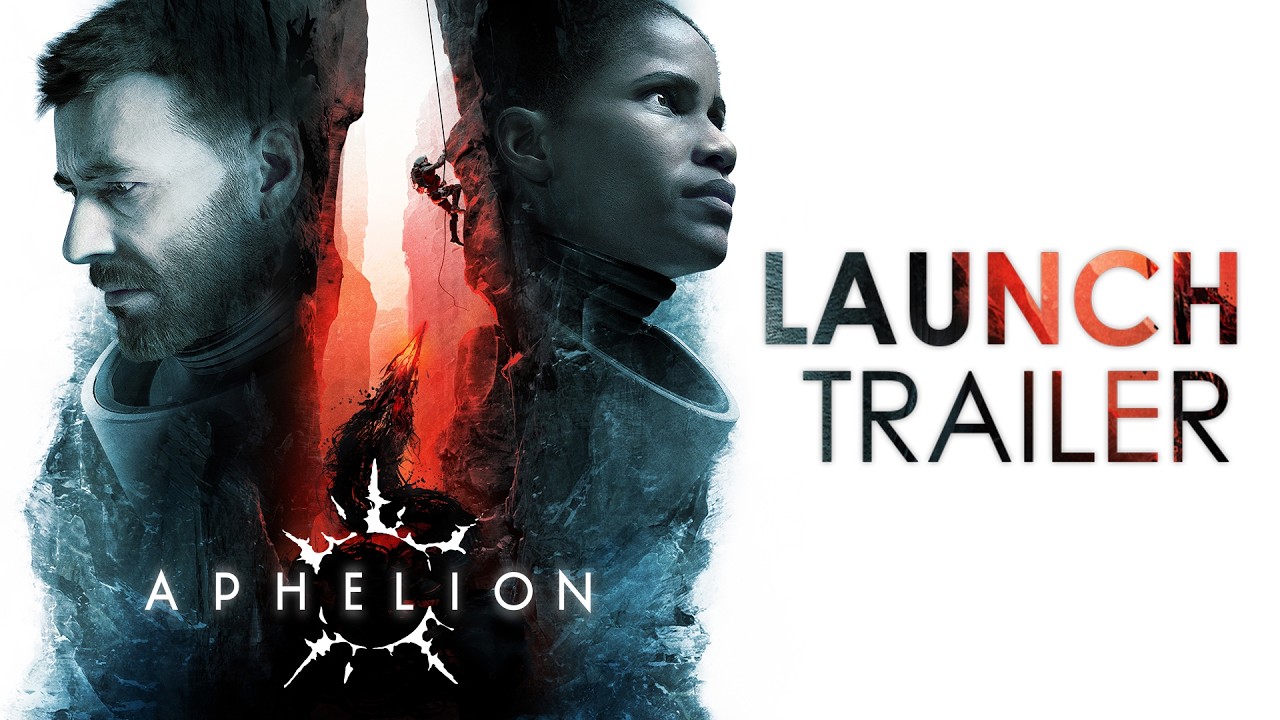
In the world of gamers, the name Don’t Nod doesn’t mean all that much, but that may change, because their newest release, ‘Aphelion’, has something no other game out there can brag with: real scientific knowledge that creates life-like conditions, mixed with an official ESA mission performed by ESA astronauts.
But let’s take things one at a time. The game is technically a narrative science‑fiction creation “inspired by space exploration and scientific expertise.” It mixes together exploration, traversal, and stealth gameplay in a cinematic third-person action-adventure fashion, with an apparently fine story keeping everything together.

Photo: Don’t Nod
The story goes a bit like this. By the year 2060, Earth will be uninhabitable, and humanity will need to look to other places to exist. Luckily, a ninth planet has been discovered in the solar system. They call it Persephone, and it’s located at the edge of the solar system – thus a freezing, cold world, yet with some potential to sustain life.
To get there and investigate, the ESA mounts a mission called Hope-01. It is centered around two European astronauts, Ariane Montclair and Thomas Cross, and aims to survey the planet and determine whether humanity can live there. The mission, which departs Europe’s Spaceport in Kourou, French Guiana, is supposed to last 45 months, 9 months on site and 18 months travel each way.
Unfortunately for our species, the ship that carries them, the Horizon Shuttle IV, crashes on landing, separating the two characters and effectively kickstarting their quest to be reunited. As you can imagine, Ariane and Thomas share a past that kind of makes it mandatory for them to find each other.
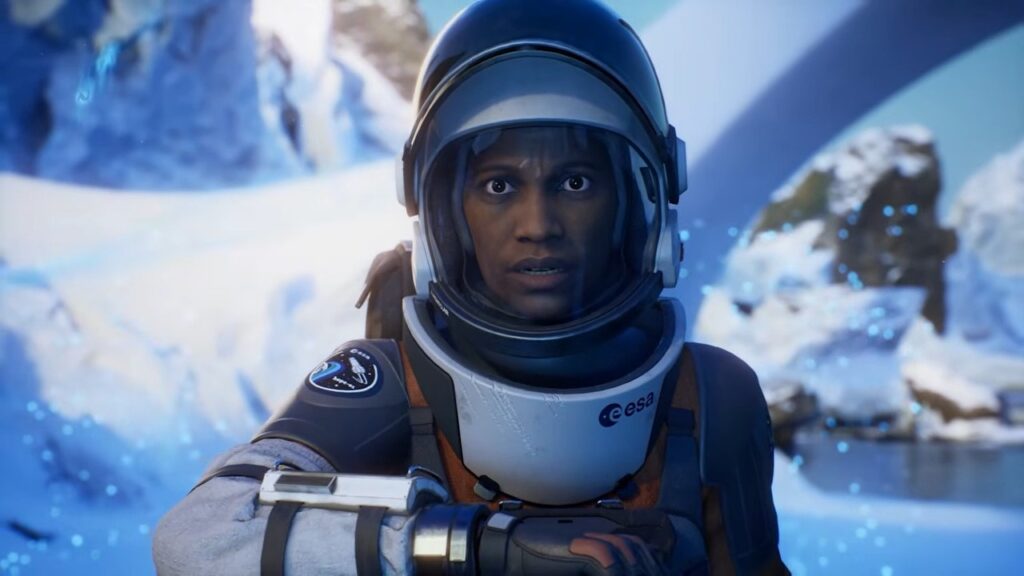
Players take turns being one astronaut or the other. As Ariane, one must travel rugged landscapes, navigate shifting realities, avoid threats, and uncover the secrets buried under the ice. As injured Thomas, the focus falls on taking advantage of the surroundings to survive.
There are no weapons in this game, nor are there any battles to be fought, even if there is something hunting the players. The only tools of the trade in this virtual world are a navigation instrument, an oxygen tank, a grappling hook, and other such things.
The ESA says that everything you see in the game, from the measurement units to instruments, is somewhat rooted in reality and science. In key aspects of the game’s development, the agency’s scientists, engineers, and astronauts contributed advice and knowledge. Even the talk is real-life astronaut talk.

Photo: Don’t Nod
The ESA’s involvement in the game was fueled by the organization’s desire to connect with audiences it would otherwise not reach. To show just how serious it is about this, the agency even created a fictional Hope‑01 mission page on its website. Other activations, we’re told, will follow in the near future.
“It has been a privilege to have had the support of ESA and their teams throughout the development of Aphelion. This collaboration is further proof that video games can push the boundaries of fiction to reflect on our reality,” said in a statement Oskar Guilbert, CEO of Don’t Nod.
“ESA has placed humanity, sustainability, and inclusivity at the heart of its mission, and we are proud at Don’t Nod to help raise awareness of their work among our players through the story of Ariane and Thomas.”
The game went live on April 28, and it is available on PC, PlayStation 5, and Xbox Series X/S. The price has been set at $34.99, and you should expect to burn through it in about eight or nine hours. I personally will get to it asap, and I will come back to the story with a review as soon as I have one. But only if it’s worth it…
In the meantime, the ESA is getting ready for the completion of its next major mission in the real world: the arrival of the Hera spacecraft at asteroid Dimorphos, the one that was impacted back in 2022 by the Double Asteroid Redirection Test (DART) spacecraft, to inspect just how much the hit changed things over there.