
NEED TO KNOW
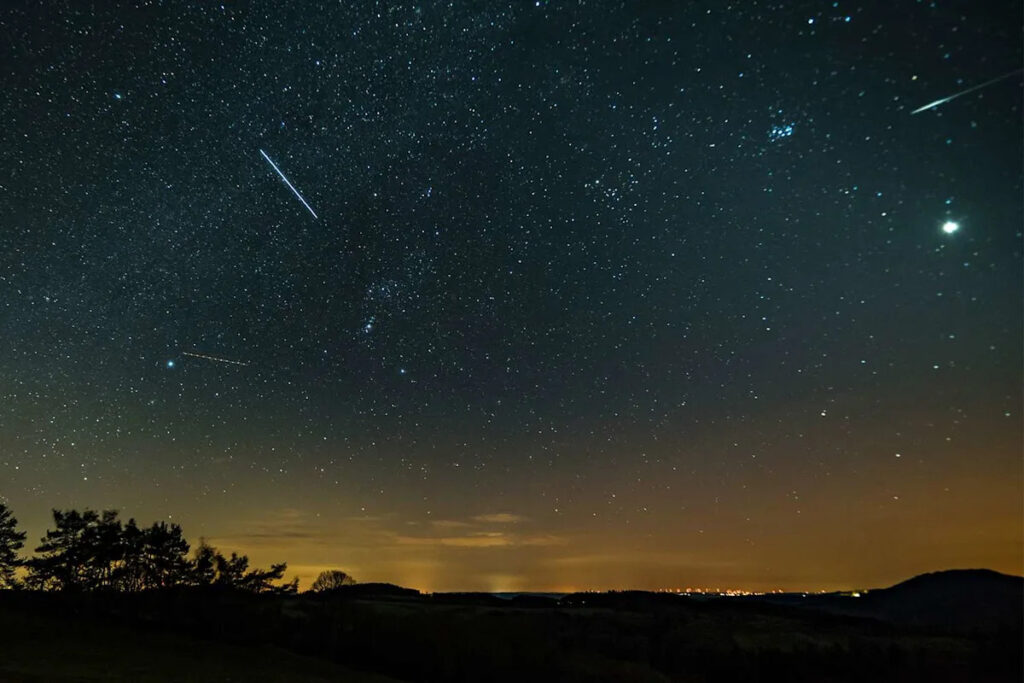
The Eta Aquariid meteor shower peaks May 5 and May 6, with up to 50 meteors an hour visible before sunrise
Venus will shine brightly as a morning star all week long, rising one to two hours before sunrise in the eastern sky
The meteors originate from Halley’s Comet debris and appear to radiate from the constellation Aquarius
The sky is putting on another spectacle!
If you’re willing to wake up for it, you’ll catch one of May’s most enchanting pairings.
As Earth passes through dusty debris left behind by Halley’s Comet this week, the Eta Aquariid meteor shower sends quick, glowing streaks across the sky, some of which leave behind lingering trails of stars that shimmer for seconds.
“Meteors come from leftover comet particles and bits from broken asteroids,” according to NASA. “When comets come around the sun, they leave a dusty trail behind them.”
The Eta Aquariid meteor shower can see meteors traveling around 148,00 mph into Earth’s atmosphere, resulting in as many as 50 shooting stars an hour.
As if this weren’t enough reason to fall more in love with the cosmos, Venus will rise ahead of the sun at the same time, glimmering and dazzling in the early morning twilight.
According to the American Meteor Society, meteor activity is typically strongest in the hours just before sunrise, when the radiant climbs higher above the horizon and visibility improves.
Read on for everything you need to know about this cosmic event.
When does the Eta Aquarid meteor shower peak?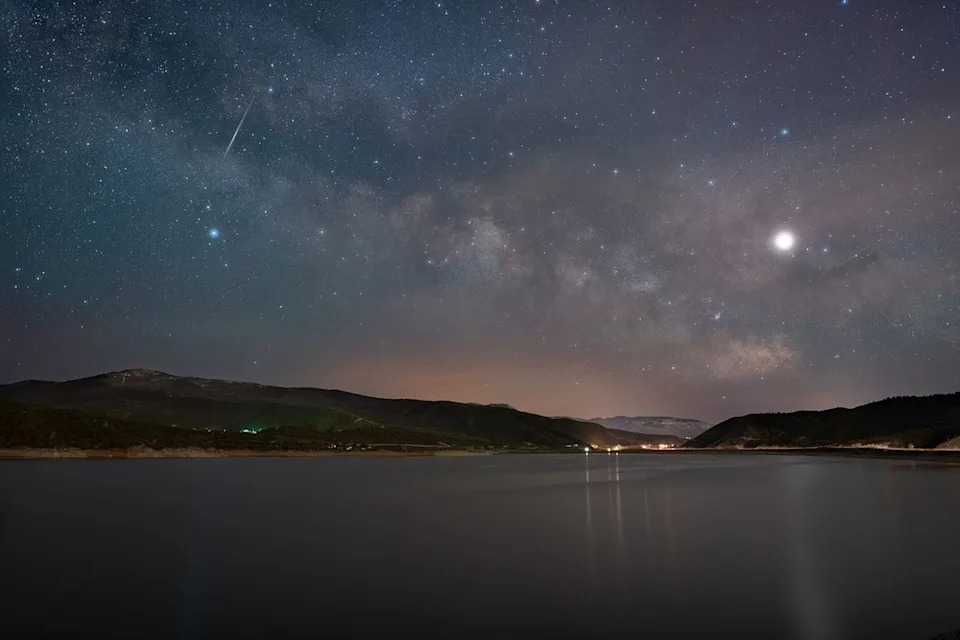
Milky Way During Eta Aquariids
Credit: Getty
The Eta Aquariids are most active in the pre-dawn hours —Tuesday, May 5, into Wednesday, May 6, 2026 — typically between 2 a.m. and sunrise, when the radiant climbs higher in the sky and meteor rates increase.
When will Venus be visible?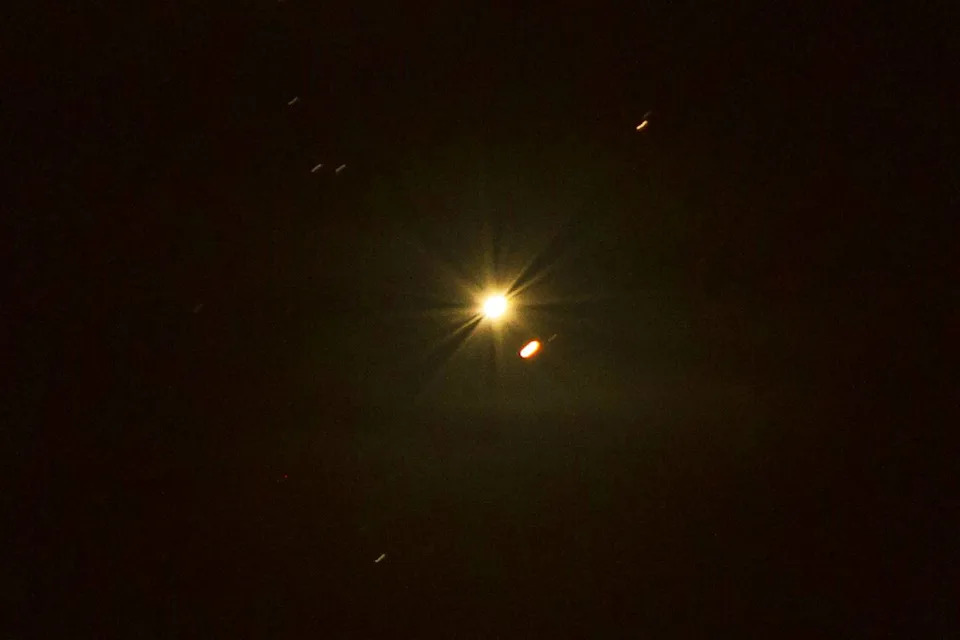
Venus and Saturn
Credit: Petar Petrov /Impact Press Group/NurPhoto via Getty
Venus will appear as a morning star this week — from May 4 to May 8 — rising in the eastern sky roughly 1 to 2 hours before sunrise, shining brightly even as twilight begins to build.
Where does the Eta Aquarid meteor shower appear in the sky?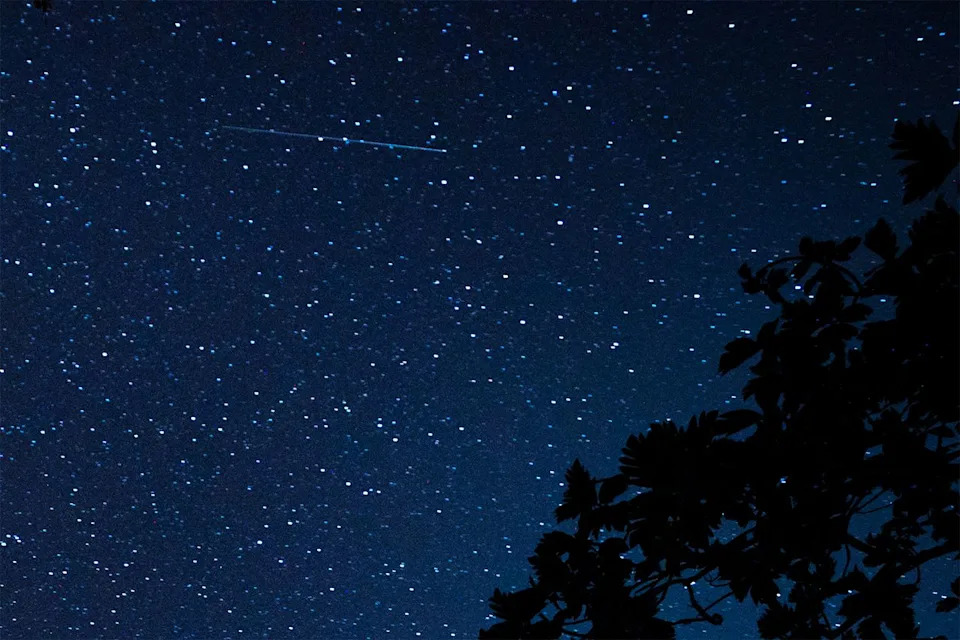
Annual perseid meteor
Credit: Thilina Kaluthotage/NurPhoto via Getty
The meteors appear to radiate from the constellation Aquarius, which rises in the eastern sky during the pre-dawn hours. Still, the meteor shower is visible worldwide, but the southern hemisphere and northern latitudes tend to see the most meteors as the radiant in Aquarius rises above the horizon.
Experts at the American Meteor Society recommend staring directly at the shower, as meteors can streak across any part of the sky.
Where does Venus appear in the sky?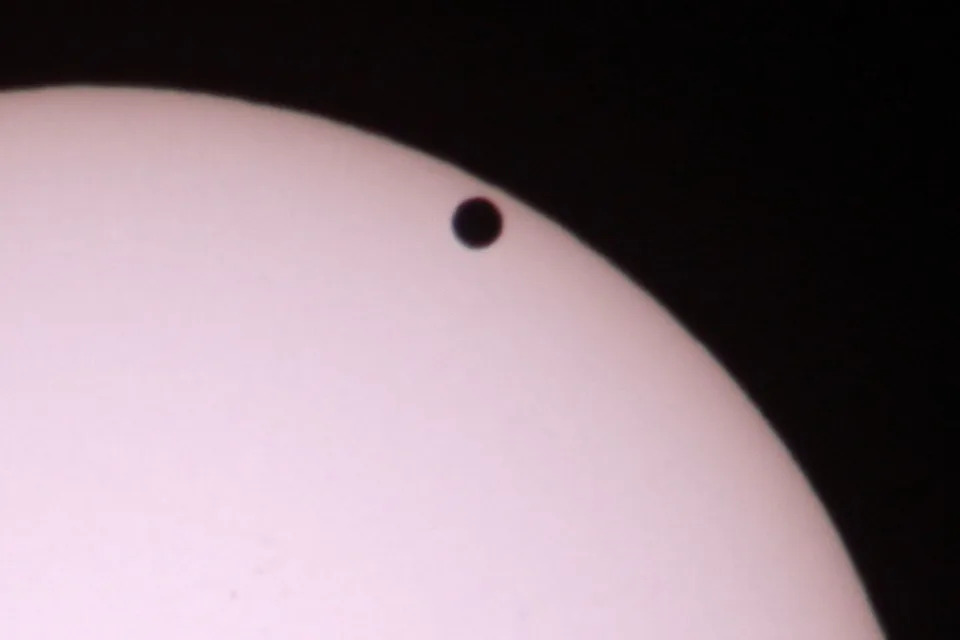
The planet Venus passes before the sun
Credit: David McNew/Getty
Venus will be visible low on the eastern horizon before sunrise, easy to spot as it is the brightest point of light in the sky aside from the moon.
How to watch Venus and the Eta Aquariid meteor shower?
Head outside about 1 to 2 hours before sunrise and find a spot with a clear view of the eastern horizon. Give your eyes at least 20 minutes to adjust to the dark, and avoid looking directly at your phone or bright lights. More importantly, you don’t need a telescope, as meteors are best seen with the naked eye.
Let your gaze drift across the sky rather than focusing on one spot, as the meteors can appear anywhere. But you can use Venus as your guide, as it will shine steadily in the east. The Eta Aquariids will glimmer slightly away from Venus, so keep your eyes peeled!
Read the original article on People