
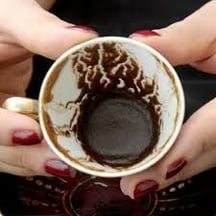
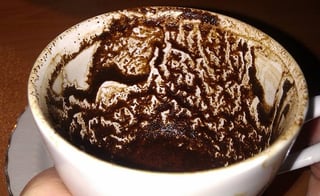
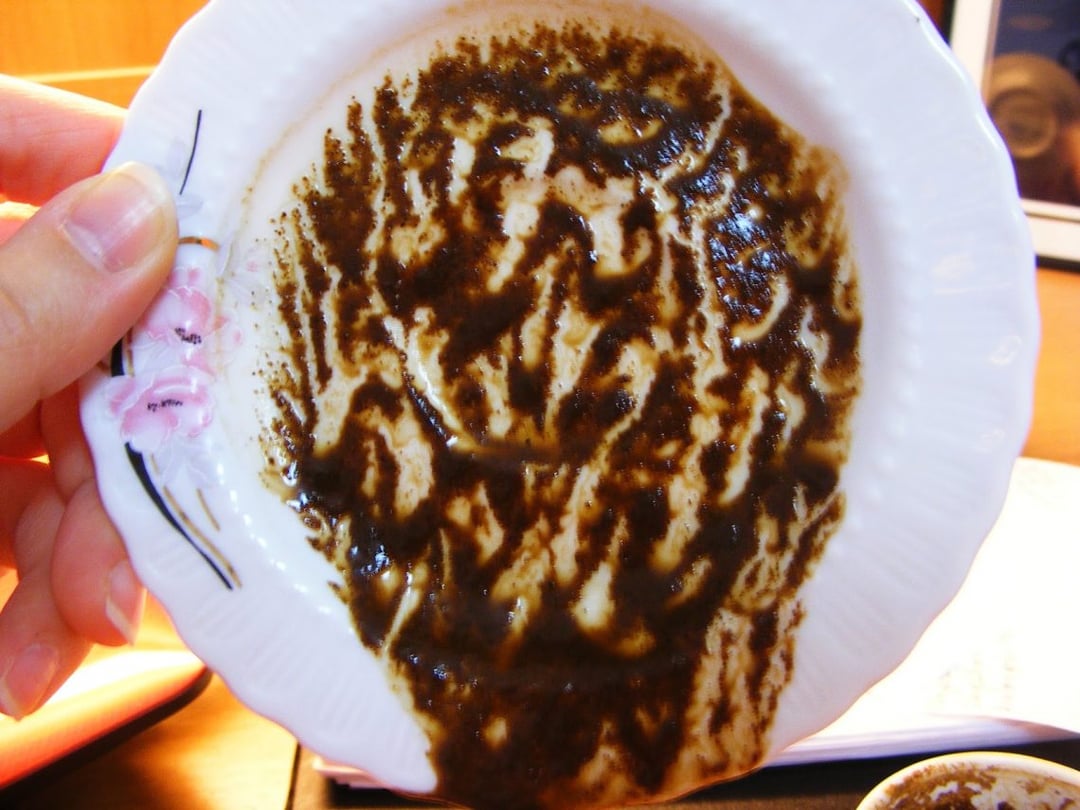
In the West, Turkish coffee reading (Tasseography) is often seen as a lighthearted social activity or a simple "fortune-telling" game. But in the deep, ancient roots of Anatolian folklore, it is something much darker: it is a ritual of contact.
As a researcher from Turkey, I can tell you that in our tradition, the coffee grounds (telve) are not just residue; they are considered a chaotic "dark matter" that serves as a physical medium for the Unseen. When a "real" practitioner closes the cup, they aren't just making a wish. They are establishing a silent pact with the Jinn.
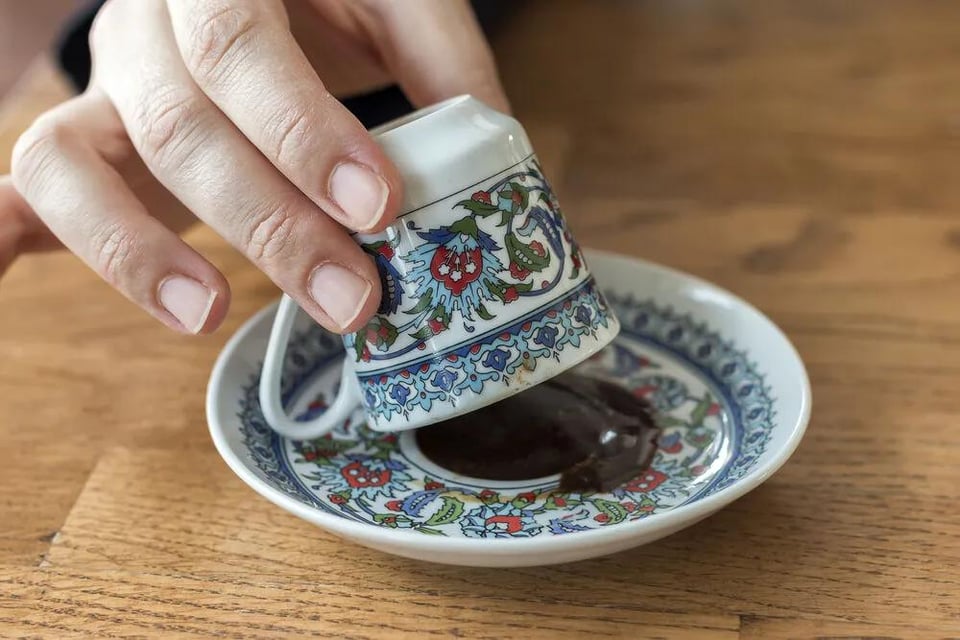
According to our occult traditions, the symbols in the cup don't form by mere chance. It is believed that certain entities, known as Hadim (entity-servants), physically manipulate the sediment while the cup is cooling to reveal secrets of the past and glimpses of a possible future. In Anatolia, when the saucer sticks to the cup and won't come off, we call it the "Sultan’s Omen" (Padişah Falı). We believe that the cup should not be opened by force, because what is trapped inside is a truth too heavy for the human soul to carry at that moment.
This is a thousand-year-old frequency trapped in a ceramic cup. Every day, millions of people in this geography are unknowingly opening portals and communicating with these entities through the black mud of their coffee.
I realize this is just the tip of the iceberg. The actual link between Jinn entities and the physical manifestation of these symbols in the cup is a much darker, almost "taboo" topic even in my own culture. I'm considering writing a more detailed piece about the "Hadim" (the entities who whisper secrets to the reader) and some documented "haunted" readings that ended in disaster.
Should I dive deeper into these ritualistic secrets in my next post?
by bortakci34
4 Comments
That is an interesting contrast to tea leaves. I would be happy to read more about these rituals.
Anything with jinn not worth reading (cinleri skime daşama sürdüm)
It’s not taboo, it’s pretty commonly discussed. It’s just coffee grounds residue left in the cup interpreted as something. Certain consistencies will give you a “Padişah Falı” all the time. It’s basic science. Depends on how you make the coffee, and weather conditions. Nothing special, just another fortune telling schtik.
please dive deeper.