
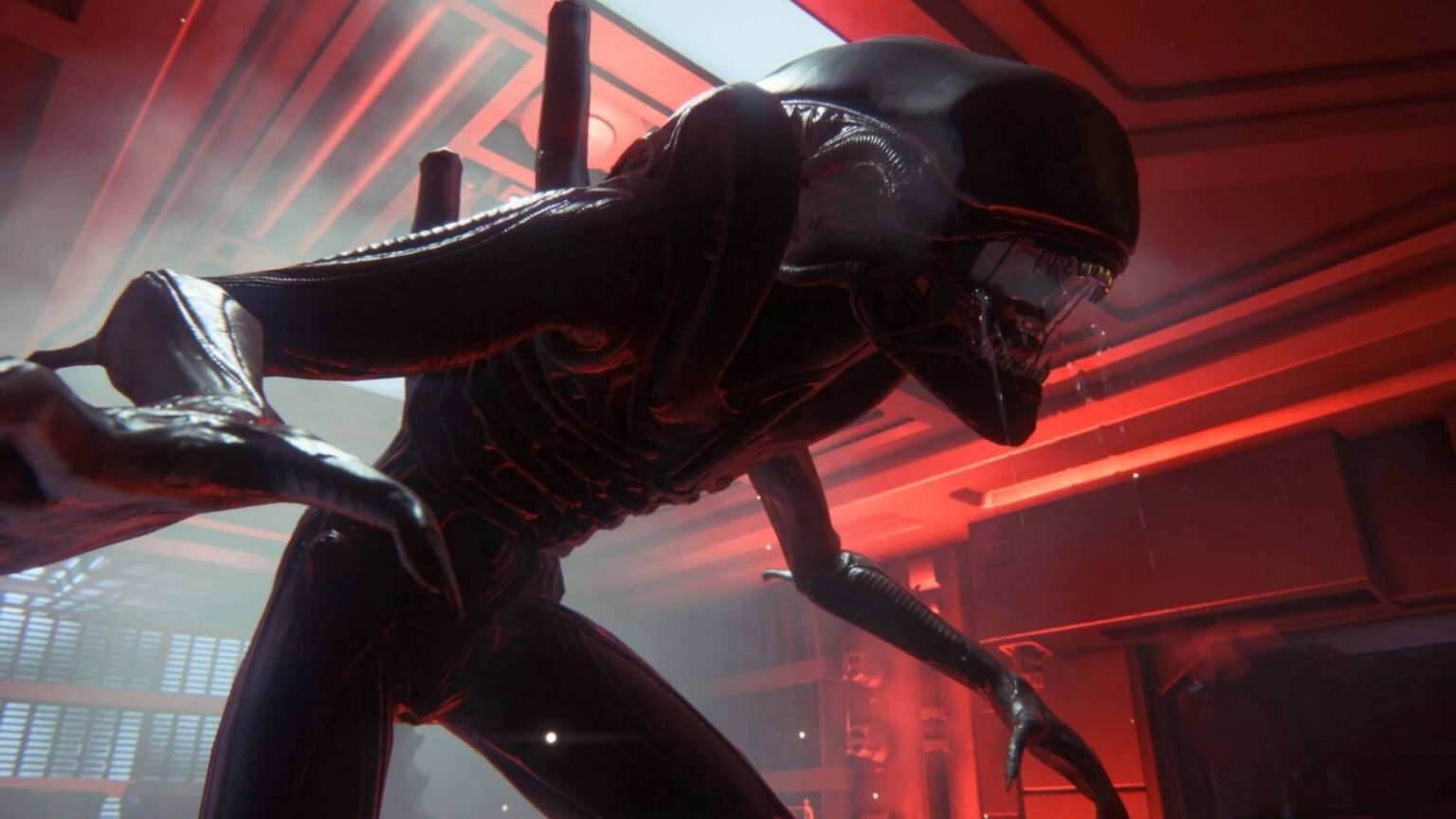
Even through a short teaser trailer, the announcement of Alien: Isolation‘s sequel already has fans excited, with the game promising another high-quality immersive horror experience. The first game is considered a cult classic, defying initial negative reception with one of the most intelligent foes in all of gaming, with the Xenomorph AI systems creating a tense sci-fi atmosphere of pure terror and dread. However, some internal system changes in the sequel might prevent this iconic mechanic from returning, along with some of the original game’s art direction.
There are already changes from Alien: Isolation happening in the sequel, mainly to the game’s story and environments. Despite the short length of the teaser, it reveals that players will be traveling through outdoor environments, rather than the deep emptiness of space within a confined ship or station. This will alter interactions with any enemy, especially the pattern learning Xenomorph who fans expect to make a comeback in some way.
 Courtesy of Creative Assembly
The job listings for Alien: Isolation studio Creative Assembly has a variety of positions available for additional work on the sequel, but one key detail has been noticed by players. Specifically, Creative Assembly is asking for help regarding Unreal Engine 5, in an offer to developers to “join the sequel to Alien: Isolation being built in Unreal Engine 5 (UE5).” This official post on the company’s website confirms that the sequel is moving away from Creative Assembly’s custom engine, which was responsible for the unique aesthetics of the first game.
Creative Assembly’s Cathode Engine was the foundation for the highly detailed translation of Ridley Scott’s Alien from 1979, creating almost the same visuals and sounds from the sci-fi masterpiece. The retro futurism of the Alien series is notoriously singular, with clunky CRT monitors, gritty “used future” hardware, and colorless functionality taking the place of sleek, stereotypical sci-fi seen in other films and TV. Similar to Blade Runner, games have often struggled to capture the atmosphere of Alien, but Alien: Isolation‘s vast attention to detail has usually been called the only exception.
As arguably the best Alien game ever made, the sounds of Alien: Isolation merge with the deeply tense atmosphere, creating an authentic adaptation of the first movie. With the announcement of Alien: Isolation‘s sequel, many fans believed that the same engine used to craft this adaptation would be used again, but the job posting debunk this theory. Now, it seems like the sequel will be built from the ground up, using Unreal Engine 5’s systems instead of the framework created in-house.
Nostalgic Graphics That Adopt The First Alien Movie’s Look Might Not Return
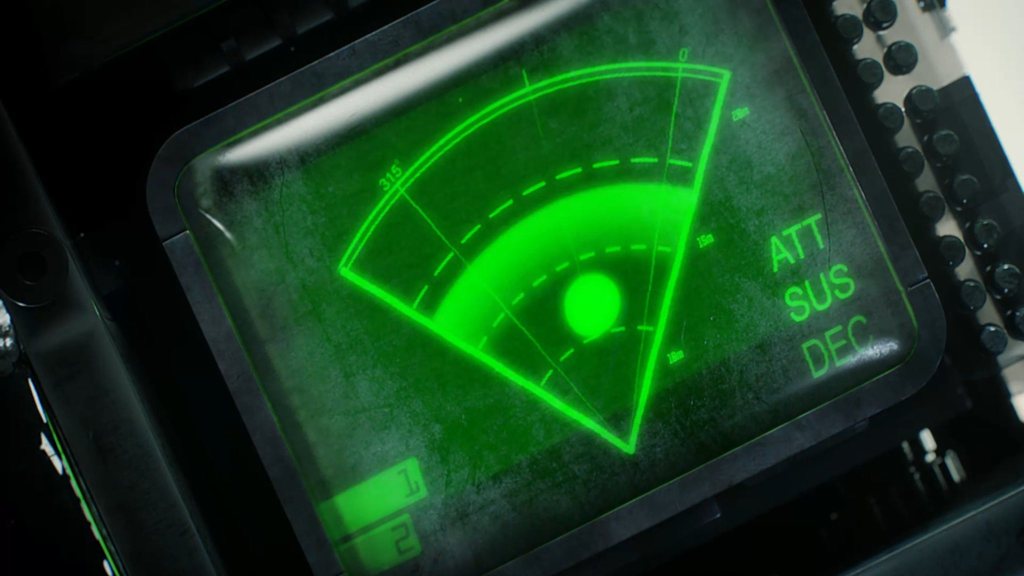
Abandoning the Cathode Engine carries a lot of implications, including a general uncertainty about how Alien: Isolation‘s sequel will look compared to the original game. Although Alien: Isolation wasn’t perfect by any means, especially when it came to frame rate and character rendering, the environments, atmosphere, and sound design were top notch. Shadows and lighting created a unique sense of tension that would be very hard to re-create, with any imitation of Alien‘s mood requiring plenty of fine tuning.
Some fans have called out that switching to Unreal Engine 5 might cause performance issues too, or other unexpected consequences. Players are already beginning to lose faith in the sequel’s stability and presentation, with some losing their excitement long before additional footage beyond the teaser has been revealed. Thankfully, there is still months or years left to the game’s development, so any perceived “failings” remain to be seen as developers learn the unique limitations and advantages of a new engine.
Other Iconic Gameplay Systems Might Be Far Harder To Create In A New Gaming Engine

With everything related to the UE5 change, one gameplay element has the most players concerned — the integration of the Xenomorph AI from the first Alien: Isolation. In many ways, the Xenomorph’s behavior was the first game’s claim to fame, with its intelligence creating true moments of fear that are hard to replicate. The Xenomorph would learn your patterns, forcing you to find new ways to avoid its detection. The acute senses of the creature were able to pick up the slightest sounds you made, but such an intimidating force was not made without hard work.
GDC talks and other interviews with Alien: Isolation developers show that the Xenomorph is layers upon layers of mechanical craftsmanship, with multiple AI programs put together to give it its signature intelligence. The Xenomorph is almost a miracle of ingenuity, and still stands alone as arguably the greatest single foe in a horror game due to how complex its design was. Other games don’t even get close to replicating the Xenomorph’s dynamic interactivity, but this could also apply to the sequel.
There is a chance that the highly anticipated horror successor won’t be able to build the Xenomorph a second time, with Unreal Engine 5 possibly being unable to support its design. Returning developers at Creative Assembly could crack the code, but switching game engines might run the risk of an opponent who simply doesn’t match what came before. However, the second installment to the Alien: Isolation series has many details yet to be shown, so these concerns could be dashed as players get their hands on the game.
What do you think about Alien: Isolation‘s sequel moving to Unreal Engine 5? Leave a comment below or join the conversation in the ComicBook Forum!