
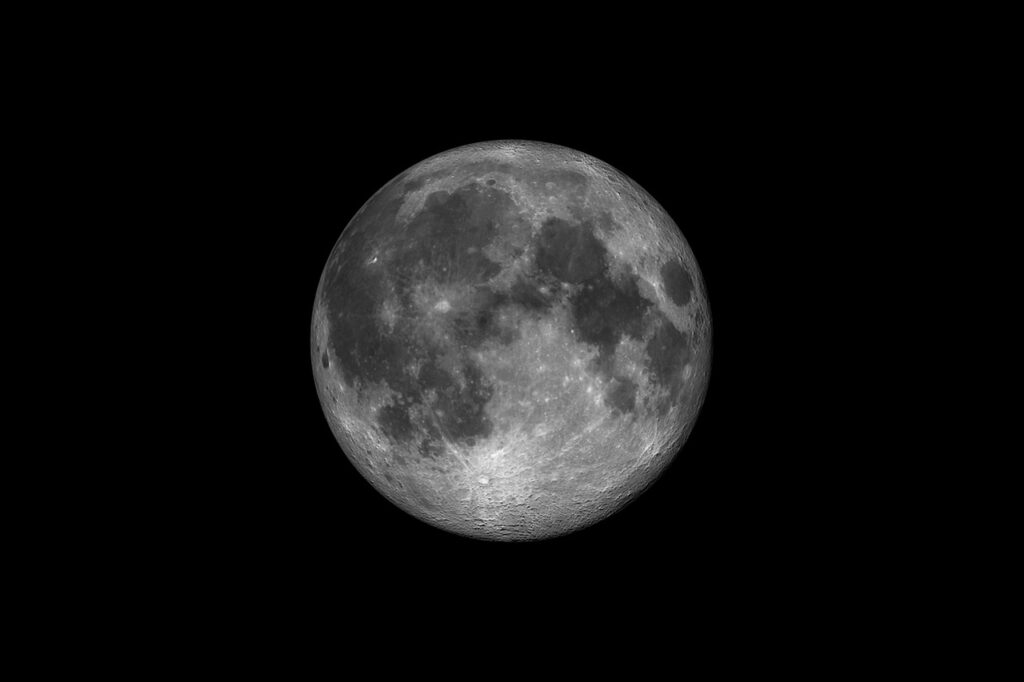
The Artemis II astronauts witnessed flashes of light caused by meteoroids striking the surface of the Moon. Meanwhile, back on Earth, volunteers using their own telescopes contributed video footage of those impacts to the Impact Flash project. Their doing so helps scientists compare Earth-based observations with those from space.
Because the data comes from different locations and instruments, the project’s scientists can narrow down what kinds of objects create the flashes, where they come from, and the craters they leave behind. This collective approach adds important details to the picture of current activity on the Moon and improves our understanding of recent impacts.
With Artemis II observations are completed for now, the Impact Flash team continues its earthside work. The team is calling for continued participation from the public. Anyone with a telescope of four inches in diameter or larger and video capture capability can contribute. More submissions will enable researchers to better estimate the current rate of impacts on the Moon and how this rate changes over time. You can find out how to record and upload observations on the Impact Flash website.
Looking ahead, the project aims to use impact flash data to study Moonquakes, the Moon’s tremors, which reveal details about the planet’s interior. According to Impact Flash project lead Ben Fernando, “We are planning to send seismometers to the Moon to measure how the ground shakes. Your measurements of impact flashes will help us work out the sources of moonquakes we detect. This will help us work out what the Moon’s interior looks like.”
The effort involves several partner groups in addition to the Impact Flash team. Amateur astronomer groups such as the NASA-funded Kilo-nova Catchers, Exoplanet Watch, UNITE (Unistellar Network Investigating TESS Exoplanets), and Night Sky Network teams, and the Lunar Impact Flashes project, based at Italy’s IMATI-CNR were involved. The collaboration also acknowledges data-curation contributions from individuals at Aberystwyth University and the Technical University of Munich, and notes funding support from the Italian Space Agency for the IMATI-CNR team.
 Published by James Hydzik
James Hydzik is a technology geek focused on the junction of engineering, writing, and coffee. He joined Orbital Today in 2020 to help make sense of the Johnson government’s decision to buy OneWeb. Since then, he has taken on interviewing and editor-in-chief roles. James learned the ropes of editing and writing with Financial Times magazines, The World Bank, PwC, and Ericsson. Thus far, interviewing New Space movers has put the biggest smile on his workaday face. The son of an Electrical Engineer, James understands the value of putting complex topics into clear language for those with a lay person’s understanding of the subject. James is a European transplant from the United States, and as ex-KA3LLL, he now holds European amateur radio licenses. His next radio project is a portable 10GHz EME (moonbounce) station, as it combines his childhood interests in antennas and space.