
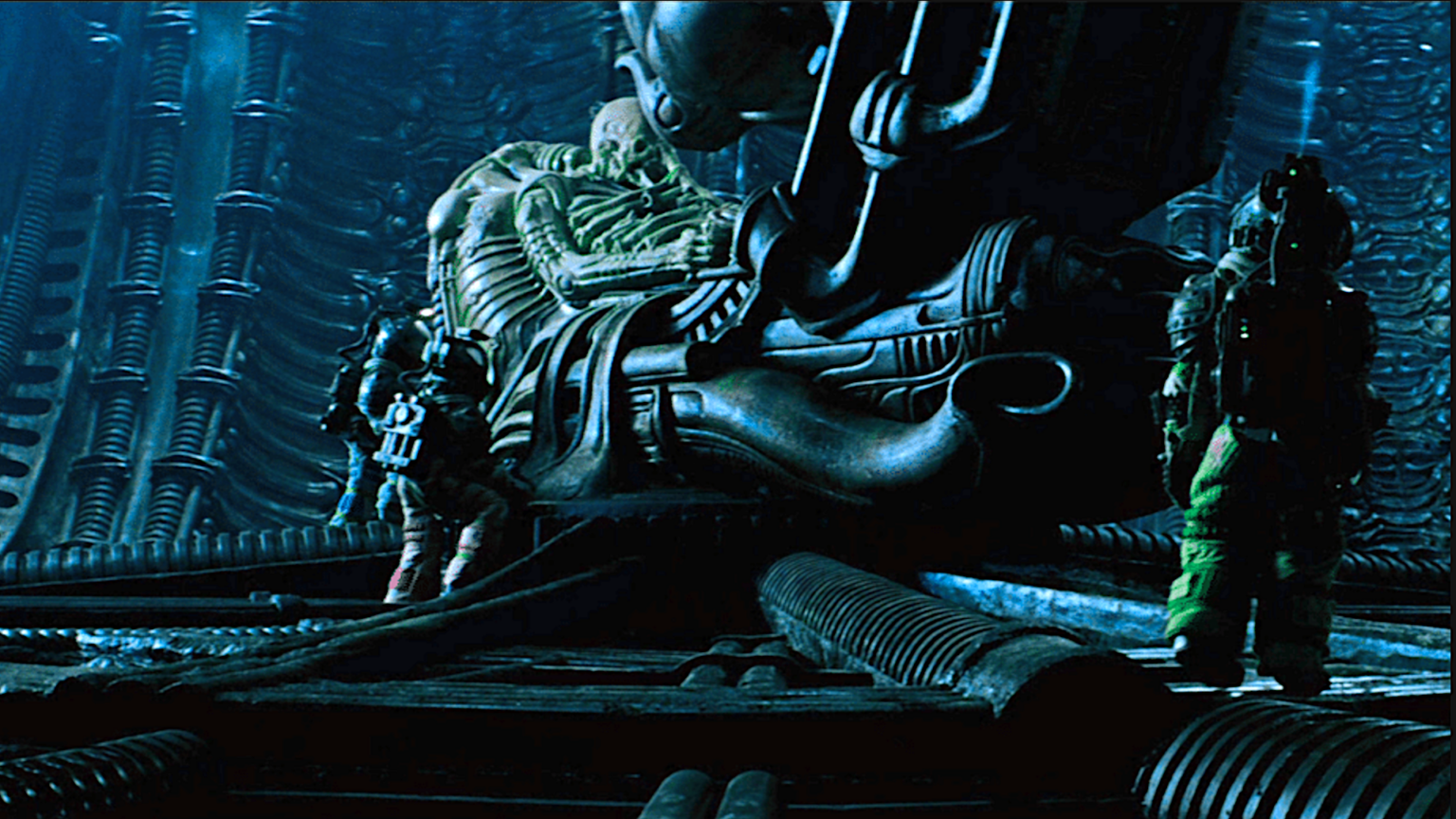
Alien Day was this past Sunday (April 26), and to celebrate one of the best sci-fi horror franchises of all time, HBO Max has just added the special editions of the first four Alien movies onto the streaming service.
Founded by 20th Century Fox back in 2016, Alien Day is an honorary occasion for fans to connect with everything “Alien“-related, from movies to comic books to video games. It’s aptly named after LV-426, the infamous planetoid that the interstellar towing vessel USCSS Nostromo set down upon to discover the derelict spaceship and its insidious contents in the classic 1979 feature film.
With Disney+/Hulu’s “Alien: Earth” working on its second season, a sequel to director Fede Álvarez’s “Alien: Romulus” supposedly in development, and Ridley Scott hinting about a possible follow-up to his “Alien: Covenant,” there’s a lot of life left in the 47-year-old franchise. Plus, 2026 marks the official 40th anniversary of director James Cameron’s gung-ho second franchise entry, “Aliens.”
Article continues below
You may like
One fantastic way to revisit the “Alien”-verse today is to leap over to HBO Max, which now has all nine “Alien” films available to stream, including their fun crossovers with the Predator world. But the real allure here is the brood of Director’s Cuts, Assembly Cuts, and Extended Editions of the first four “Alien” movies: 1979’s “Alien,” 1986’s “Aliens,” 1992’s “Alien 3,” and 1997’s “Alien: Resurrection.”
Let’s examine what makes each of these alternate versions so special as a proper salute to Alien Day 2026!
“Alien: The Director’s Cut” (2003)
Director Ridley Scott considers his 1979 theatrical cut of “Alien” to be the definitive version of the movie, but this rendition adds a little bit more bite to the Hollywood sensation that kickstarted it all. It’s really a very mild recut, and well worth a watch if you’re already familiar with the seminal sci-fi film at all.
First and foremost — and our personal favorite addition — is in the scene where Ripley, Dallas, Kane, Lambert, and Ash are trying to translate the repeating transmission emanating from the derelict craft on LV-426. Here, the sound effect for the extraterrestrial message seems more unsettling than in the groaning “voice-like” theatrical release, which underscores Ripley’s line in both cuts that it “doesn’t sound like any radio signal I’ve heard.” The difference is purely a matter of preference, but we still opt for the sinister repetitive hissing noise in this newer cut.

Secondly, it includes the “egg morphing” scene where Dallas and Brett are discovered cocooned in the xenomorph’s hive deep in the bowels of the Nostromo, and Ripley decides to torch the nest with the flamethrower to put the pair out of their agony.
The Director’s Cut is actually a minute or so shorter than the Theatrical Cut, since Scott and his cinematic instincts had to trim away a few bits to accommodate these five minutes of deleted scenes. It quickens the pace, shortens some slower corridor tracking shots, and gives you one jolting death scene for Dallas and Brett, which answers the question of their ultimate fate after being snatched by the immense insectoid alien.
One absent scene we’ve always been partial to is Kane’s space burial, where his body is ejected out into the cold black void.
What to read next
“Aliens: Director’s Cut” (1991)
As far as alternate versions of the first four “Alien” movies go, this 1991 tinkered with entry is the most enjoyable of them all, as it adds a full 17 minutes of blistering action and excitement to an already-loaded original Theatrical Cut.
Most notable is the extended sequence at the Hadley’s Hope colony on LV-426 in the beginning that sees Newt’s family taking a little weekend cruise out to investigate the derelict craft. In hindsight, this was NOT exactly a great idea for the clan.
Also wedged into this cut is Ripley being told by Carter Burke that her daughter, Amanda, passed away while she was adrift in space before being picked up in the Narcissus escape shuttle by a salvage crew and taken to Gateway Station. We get to see a digital printout featuring an image of Amanda Ripley as a senior citizen and feel the intense emotional reaction her mom has to this sad news.
Our favorite scene in this revised edition is the robotic sentry guns attempting to fend off an encroaching army of xenomorphs as we watch the ammo counters rapidly count down to zero.
Cameron milks this awesome sequence for all its worth, and the adrenaline rush is palpable as those smoking weapons do their best to strike down creeping creatures until the last bullet fires.
Sure, all this meddling does muck up the pacing somewhat, but who cares? We’ll take the longer, bumpier ride anytime!
“Alien 3: The Assembly Cut” (2003)
Alien 3 – Doctor finds Ripley on the beach (HD) – YouTube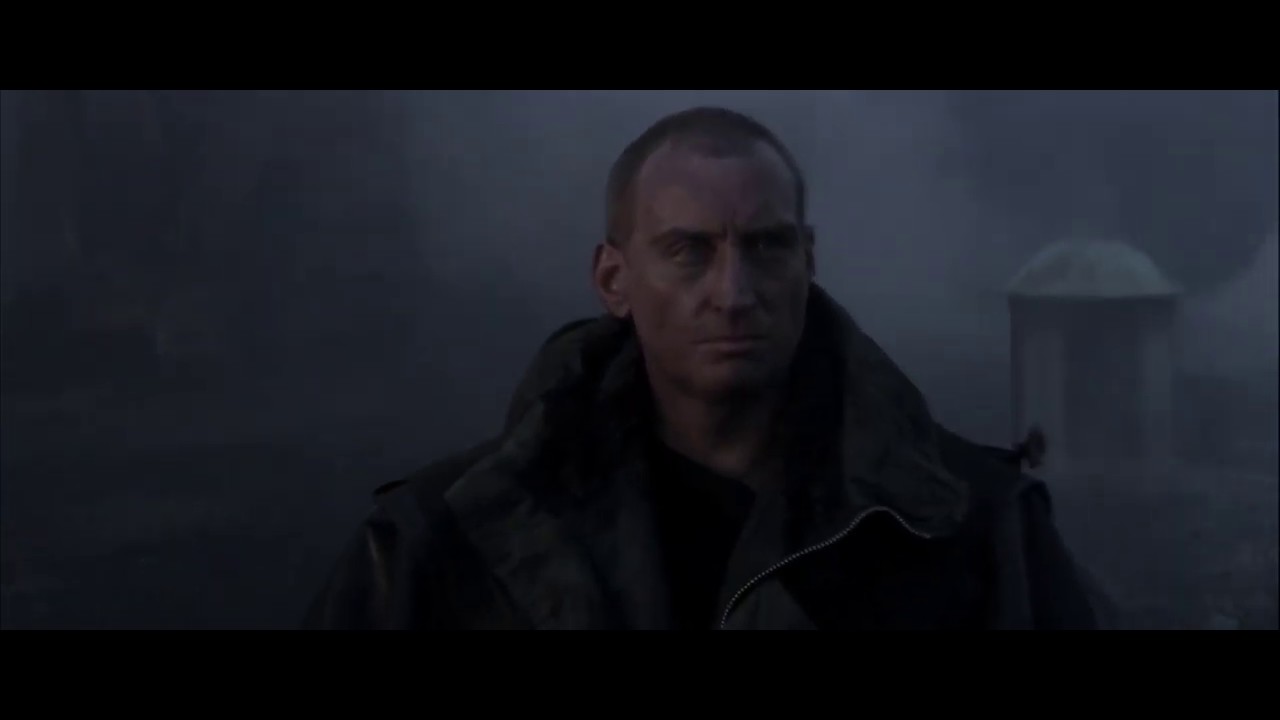
No “Alien” film is less immune to controversy than this polarizing third entry into the storied franchise. It’s notorious for killing off poor Newt and Hicks from the start, and its depressing dankness due to the setting — a remote, prison colony on the hostile world of Fiorina “Fury” 161.
Known for the incessant studio meddling, incomplete screenplay, and insurmountable on-set creative differences, “Alien 3” has been disowned by its now-famous director, David Fischer. This was Fincher’s first feature film, and the severe stress of its production has been well-documented over the years. He obviously had zero involvement in this newer studio-mandated reconstruction.
With that said, the Assembly Cut is the far superior version and tacks on an astonishing 37 minutes of added runtime. It was initially offered in 2003’s deluxe Alien Quadrilogy home video DVD box set. Seven minutes were slashed from the Theatrical Cut, but what new inclusions we’re given — like the extended shuttle recovery scenes on Fury 161 where Charles Dance’s Dr. Clemens roams the bleak beachhead and finds Ripley washed up on the sand — add a ton of atmosphere and context.
This is a case where both versions are imperfect but offer an interesting compare-and-contrast experience to expose how different editorial decisions can make or break a flawed finished film. There are multiple character moments inserted that provide far more backstory, plus a visceral swap-out of the dog being a host vessel for the violent alien birth with a much bloodier ox impregnation scene.
Another significant difference is in Ripley’s sacrificial dive into the molten metal in the finale. In the Theatrical Cut, there’s a disturbing chestburster shot that was reportedly part of a studio-led reshoot, where the Assembly Cut simply has her plunge to her death before the infant’s ugly alien head ever appears. All told, this upgraded remaster feels substantially less disjointed but still quite disturbing.
“Alien Resurrection: Special Edition” (2003)
Ending Scene | Alien Resurrection (1997) | 4K Movie Clip – YouTube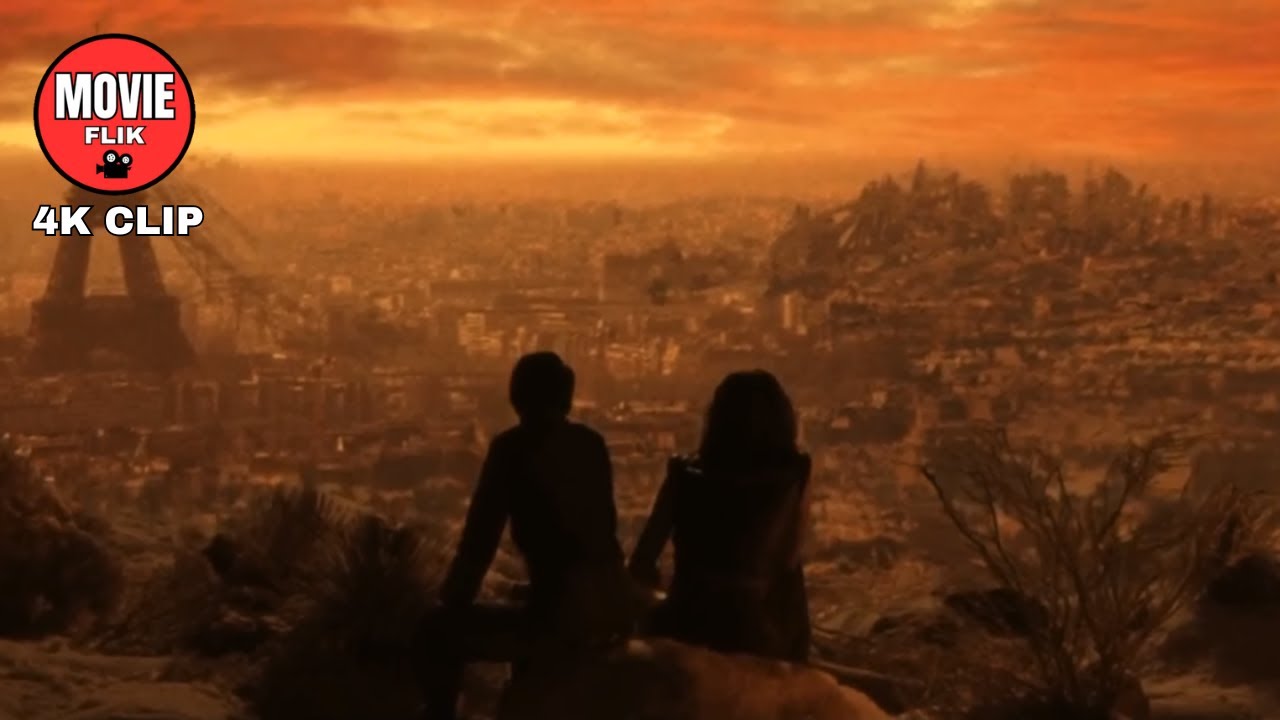
We have a particular fondness for this fourth entry from French filmmaker Jean-Pierre Jeunet, if only for its weird Euro flair, the superb underrated score by John Frizzell, and that hideous baby hybrid creature known as the Offspring that gets sucked out of the spaceship like a thick sticky meat-shake crying out for help.
Besides a changed opening title sequence depicting what might be xenomorph jaws transforming into a toothy bug, here the cloned Ripley 8 of “Alien Resurrection” has more instances when her mutated strength is on display, and some nice dialogue between her and Winona Ryder’s android character, Call, where Ripley 8 explains her existential thoughts, xenomorph hatred, and faded Newt memories.
This cut was also included in the Alien Quadrilogy release in 2003, but it’s not quite as severe a makeover as “Alien 3” received. At most, we’re given roughly seven minutes of bonus screentime that delivers prolonged pieces of character dialogue. It’s all nice, but none of it is essential.
But we saved the best for last, as the ending here is altered from Ripley 8 and Call simply looking down from the Betty upon the Earth. Instead, we see them landing on the post-apocalyptic ruins of our home planet to have a quiet sit-down for a spell, as the camera pulls back to reveal the ravaged city of Paris, France.