

Listen to this article
Estimated 4 minutes
The audio version of this article is generated by AI-based technology. Mispronunciations can occur. We are working with our partners to continually review and improve the results.
Quirks and Quarks53:59Seabird poop does whaaat? And more…
On this week’s episode of Quirks & Quarks with Bob McDonald:
The precursors of written language may be much older than we thought
Quirks and Quarks7:47The precursors of written language go back a lot earlier than we thought
Writing is thought to have emerged in ancient Mesopotamia some 5,000 years ago. But new research by linguist Christian Bentz of Saarland University and archeologist Ewa Dutkiewicz of the Museum of Prehistory and Early History in Berlin suggests that the precursors of written language may go back much further. A statistical analysis of markings on figurines and tools from the stone age, dating back about 40,000 years, reveal a high level of complexity and information density – even if researchers still can’t be sure what the various symbols actually mean. Their research was published in the Proceedings of the National Academy of Sciences.
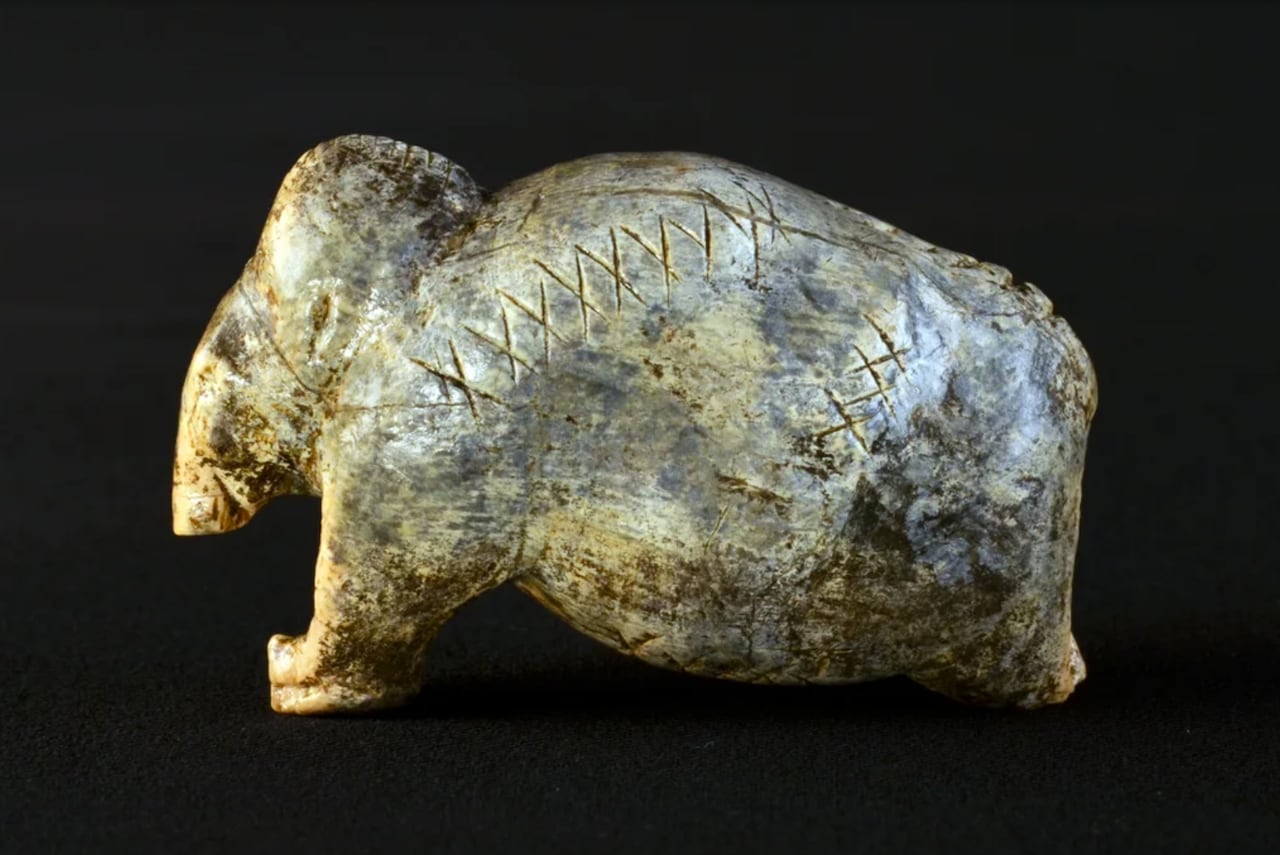 This 40,000-year-old mammoth figurine, recovered from a cave in southern Germany, bears multiple sequences of crosses and dots on its surface. New research suggests the markings may have functioned as a precursor of written language. (Hildegard Jensen/Universität Tübingen)Dolphins exposed to the Deepwater Horizon oil spill also more likely to be hit by boats
Quirks and Quarks9:34Dolphins exposed to the Deepwater Horizon oil spill also more likely to be hit by boats
Bottlenose dolphins that were exposed to oil from the British Petroleum Deepwater Horizon disaster are still suffering from long term health consequences that may make them more susceptible to further injury. In two new studies, Lori Schwacke — the scientific program director for the U.S. Marine Mammal Commission — said they found that the dolphins that were exposed to the oil were more likely to still have an impaired stress response and to have been hit by ships than non-exposed dolphins. By simulating different scenarios with more than a decade’s worth of data, they showed how the dolphins’ recovery could have been improved by reducing ship strikes. The research was published in the Royal Society Open Science and in Conservation Biology
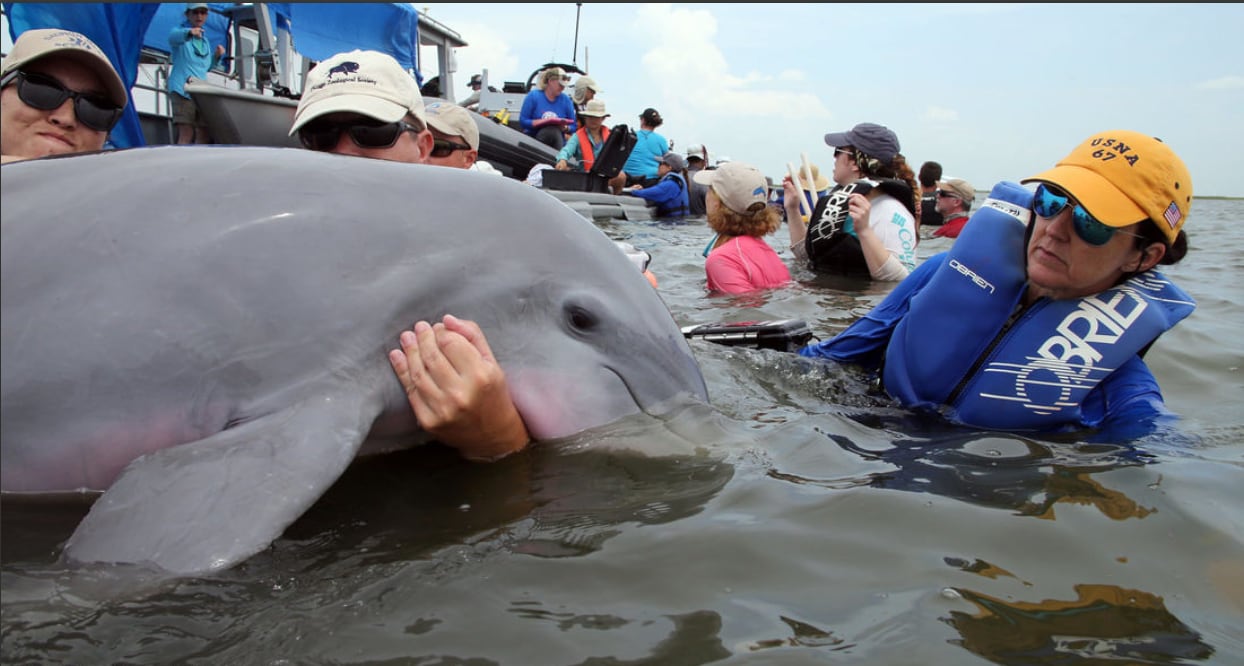 Bottlenose dolphins in Barataria Bay along the U.S. gulf coast that were exposed to the Deepwater Horizon oil spill are showing signs they may be more susceptible to other stressors, like ship strikes. (National Marine Mammal Foundation)From the archives: Canadian astronomer spots a supernova visible to the naked eye
Quirks and Quarks4:33From the archives: Canadian astronomer spots a supernova visible to the naked eye
To celebrate Quirks & Quarks’ 50th year on the air, we revisit an interview from March 1987, when then-host Jay Ingram spoke with Canadian scientist Ian Shelton about his exciting observation of the first supernova visible to the naked eye since 1604.
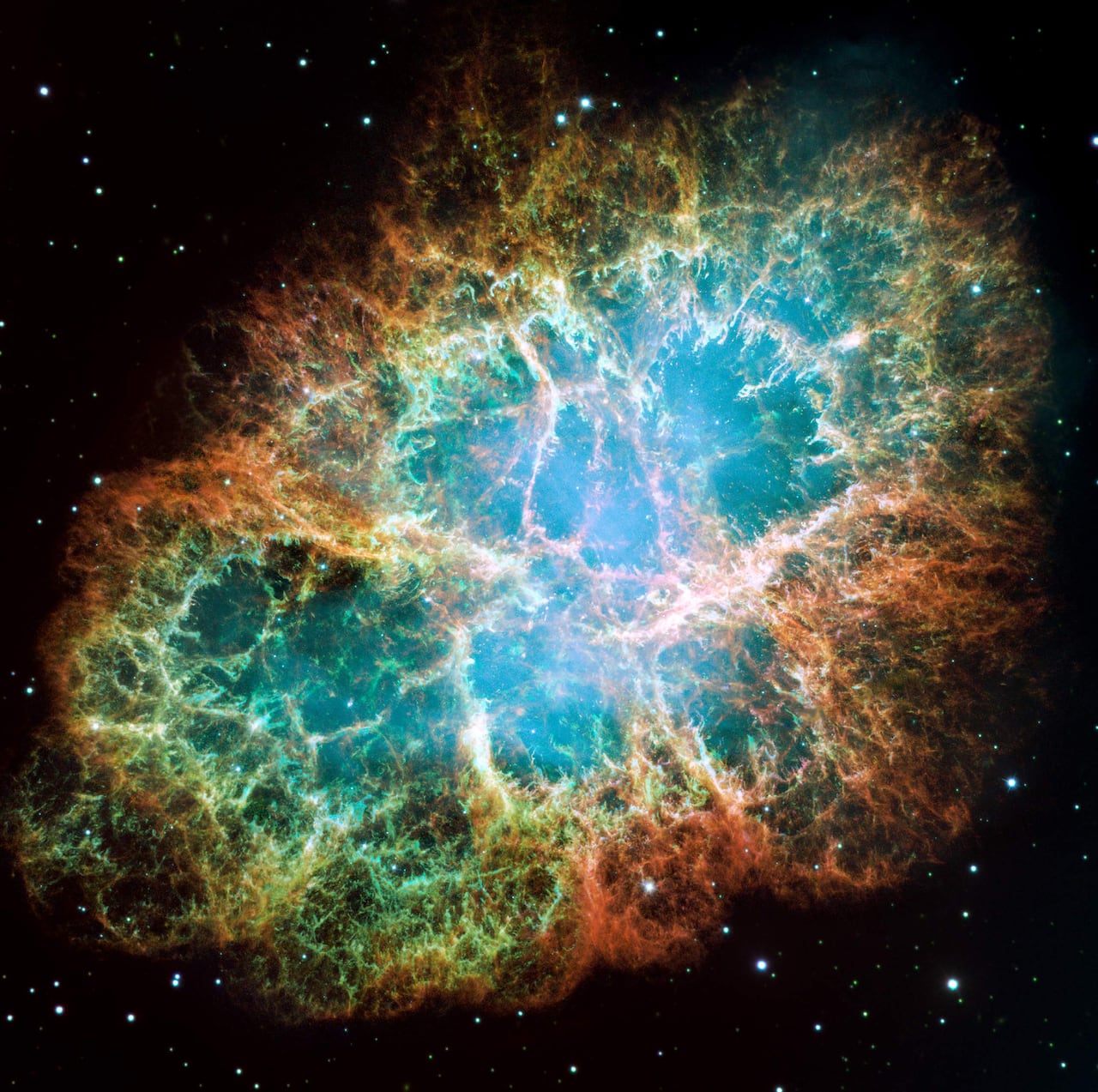 One of the largest ever taken by NASA’s Hubble Space Telescope of the Crab Nebula, shows six-light-year-wide expanding remnant of a star’s supernova explosion as released December 2, 2005 (NASA/Getty Images)Quirks Question: How do beavers choose their trees?
Quirks and Quarks3:01Quirks Question: How do beavers choose their trees?
Meredith Keery in Prince George B.C. asks: how do beavers choose the trees they wish to take down? For the answer, we asked beaver expert Glynnis Hood. She explains that beavers choose trees that have higher sugar content in their bark that are the right size for their needs.
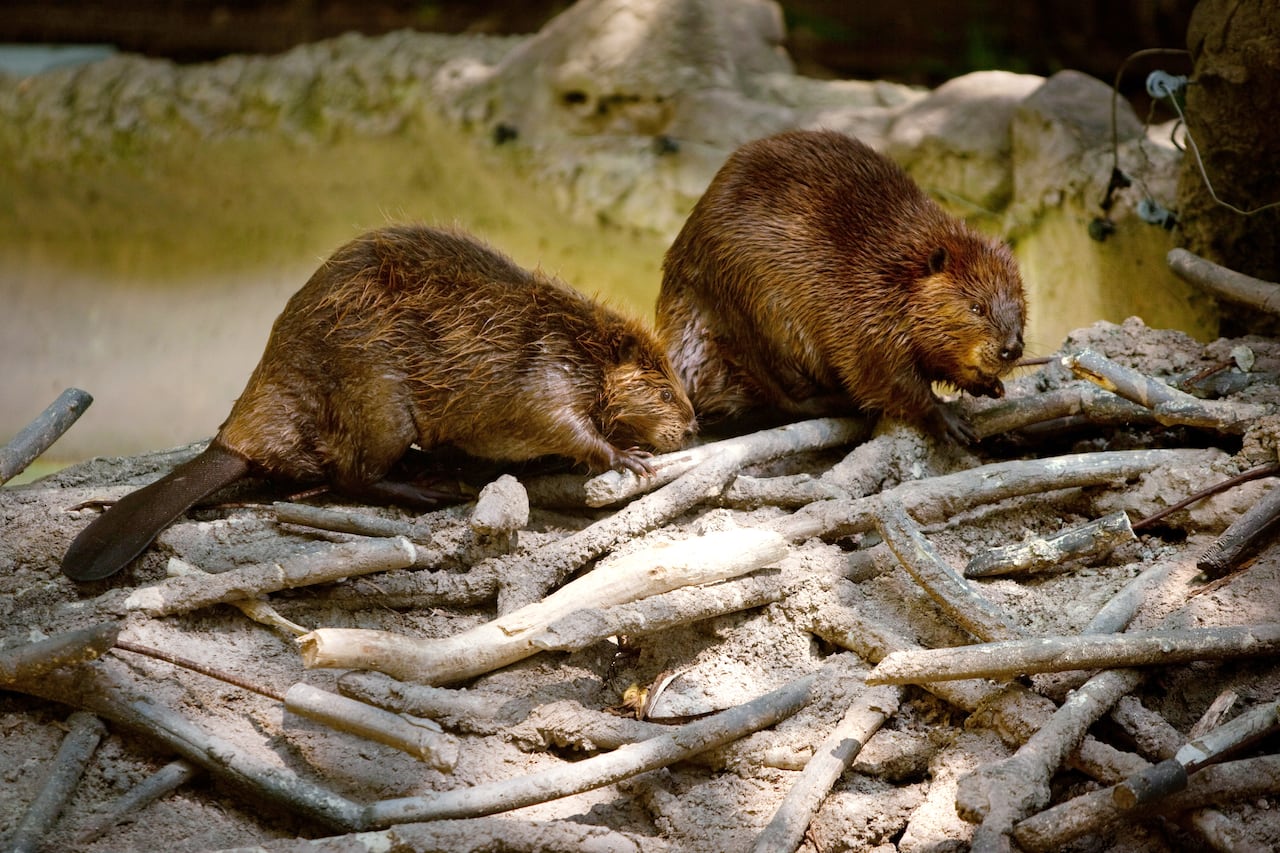 Two North American beavers check out a man-made beaver dam in the new beaver enclosure at the Smithsonian National Zoo August 29, 2012 in Washington, D.C. (Allison Shelley/Getty Images)Mapping the universe in three dimensions
Quirks and Quarks8:16Mapping the universe in three dimensions
Astronomers have produced the most detailed 3D map of the universe ever assembled, pin-pointing more than 47 million galaxies. The map uses data from the Dark Energy Spectroscopic Instrument (DESI), mounted on a giant telescope at Kitt Peak Observatory in Arizona. The instrument analyzes the light from distant galaxies, which in turn yields the distances to those objects. As astrophysicist Will Percival of the University of Waterloo and the Perimeter Institute explains, the map reveals how the distribution of matter in the universe has changed over time. As well, the data may offer insights into the mysterious entity known as dark energy, which pushes galaxies apart from each other, causing the expansion of the universe to accelerate. The project is managed by the Lawrence Berkeley National Laboratory.
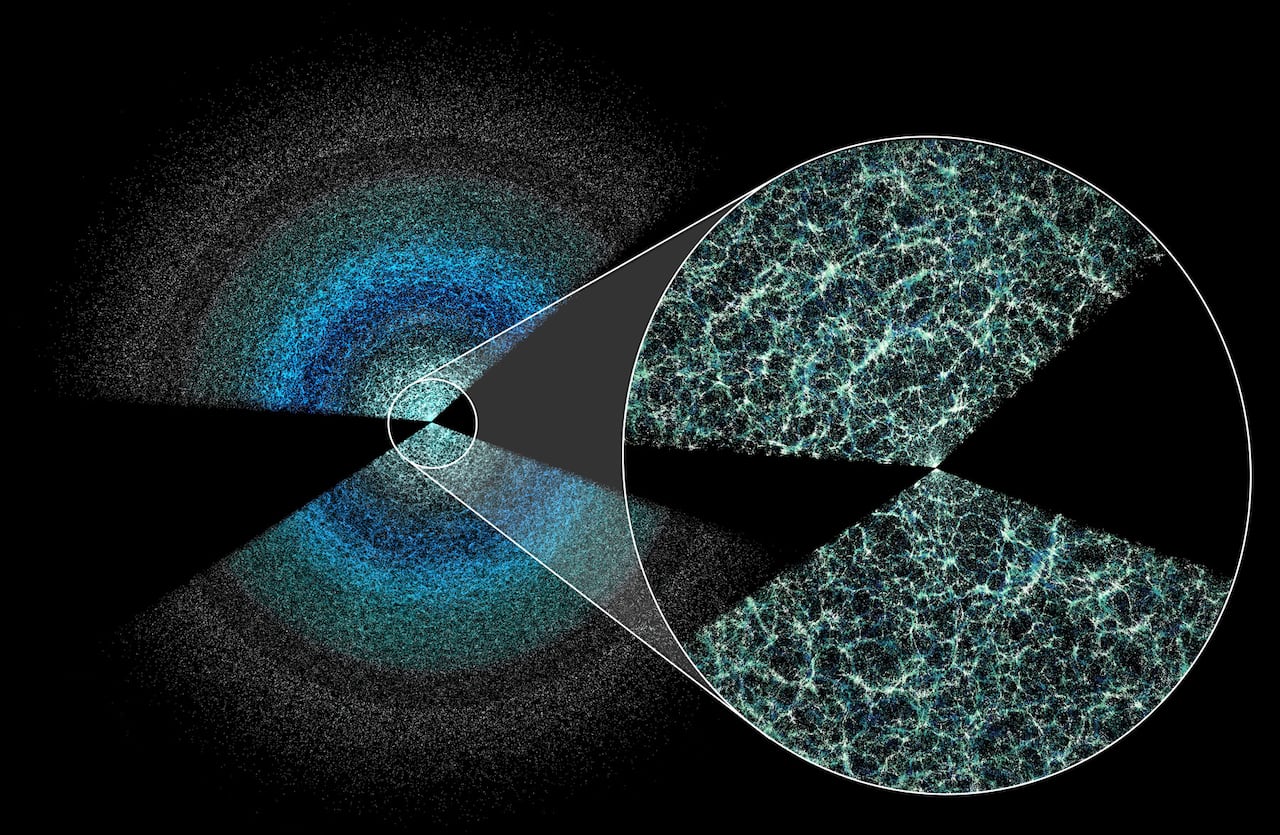 In DESI’s 3D map of the sky, Earth is at the center and every point is a galaxy, while the universe’s large-scale structure is visible in the magnified inset. The black regions are areas where our own Milky Way obstructs the view of more distant galaxies. (DESI collaboration and KPNO/NOIRLab/NSF/AURA/R. Proctor)What a load of guano! The surprising science of seabird poop
Quirks and Quarks18:27What a load of guano! The surprising science of seabird poop
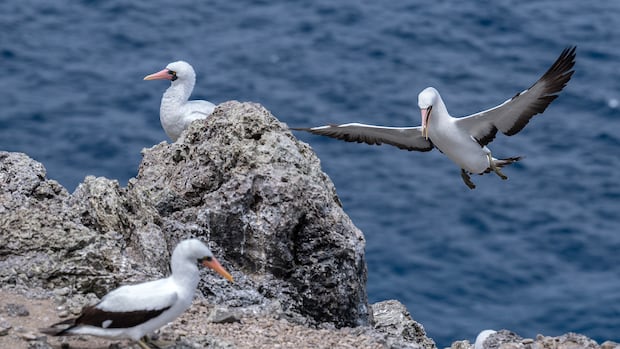
Several recent studies have shown that seabirds can not only act as ecosystem sentinels for both land and sea, but also transport nutrients, create life, and even wealth — all thanks to their nutrient-rich poop. One scientist is studying why certain seabirds poop the equivalent of their entire body mass in a single day, at specific intervals, and only while flying. Another researcher is uncovering how seabirds helped populate an Icelandic island with plants. And, an archeologist has discovered how access to seabird guano led to the rise of an ancient pre-Incan civilization.
We spoke with:
Leo Uesaka, a behavioural ecologist from the University of Tokyo, Japan. Andy Green, professor of wetland ecology at the Doñana Biological Station, Seville, Spain.Jacob Bongers, a digital archeologist at the University of Sydney, Australia.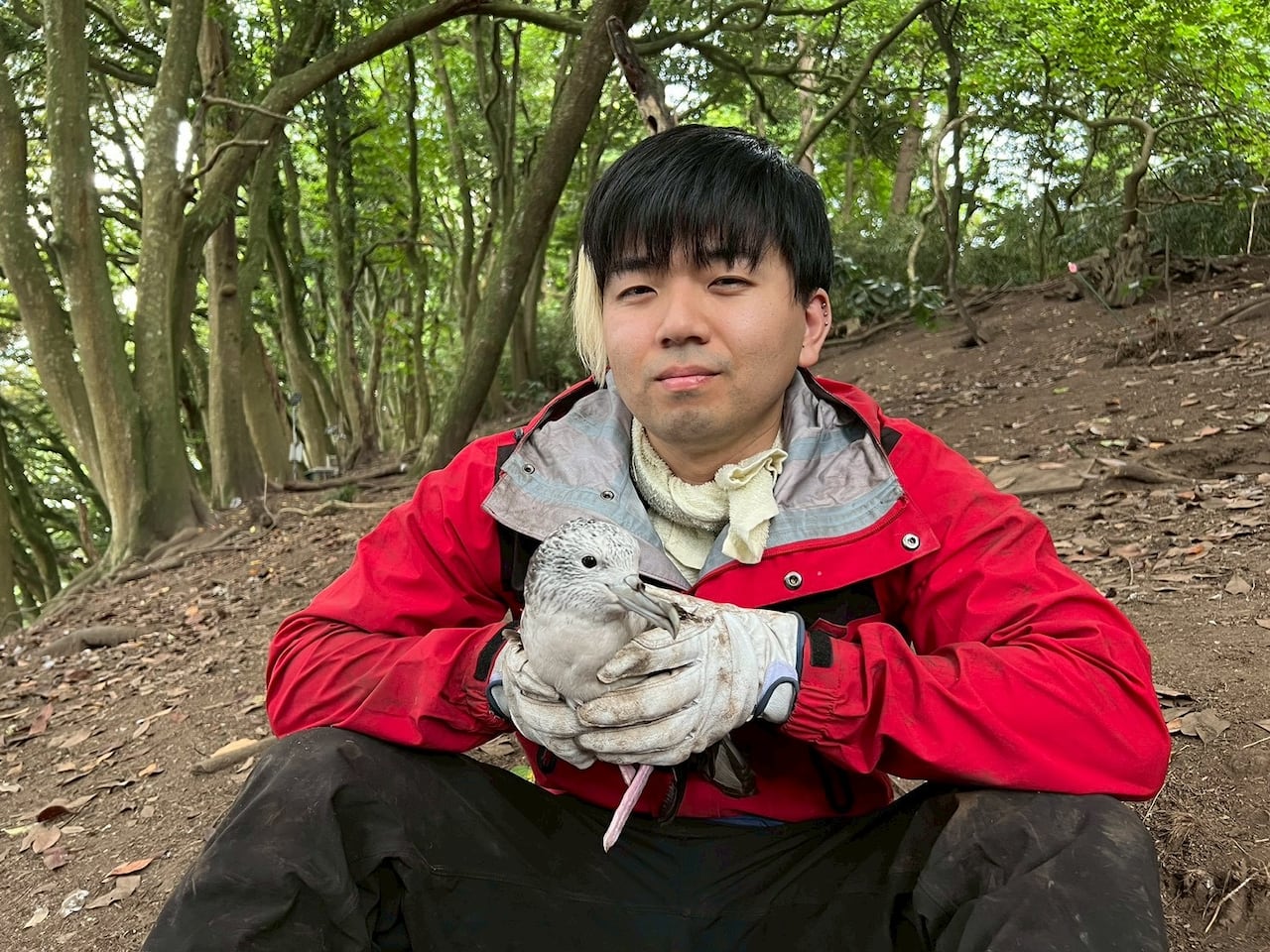 Leo Uesaka, from the University of Tokyo, is studying why the streaked shearwater seabird drops feces at regular intervals while flying. (University of Tokyo)