During the early hours of the morning, combined forces of the Australian and New Zealand Army Corps landed at what is now known as ANZAC Cove in Gallipoli, Turkey, my great-grandfather among them. Fortunately he survived the campaign and continued to fight in Palestine before returning home to New Zealand.
After approximately nine months of relentless uphill battles and stalemated trench fighting, commanding officers made the decision to withdraw from the cove on 9 January 1916. While the evacuation was regarded as a complete success, roughly 11,400 ANZAC soldiers would never return home, with many more lost before the war’s end.
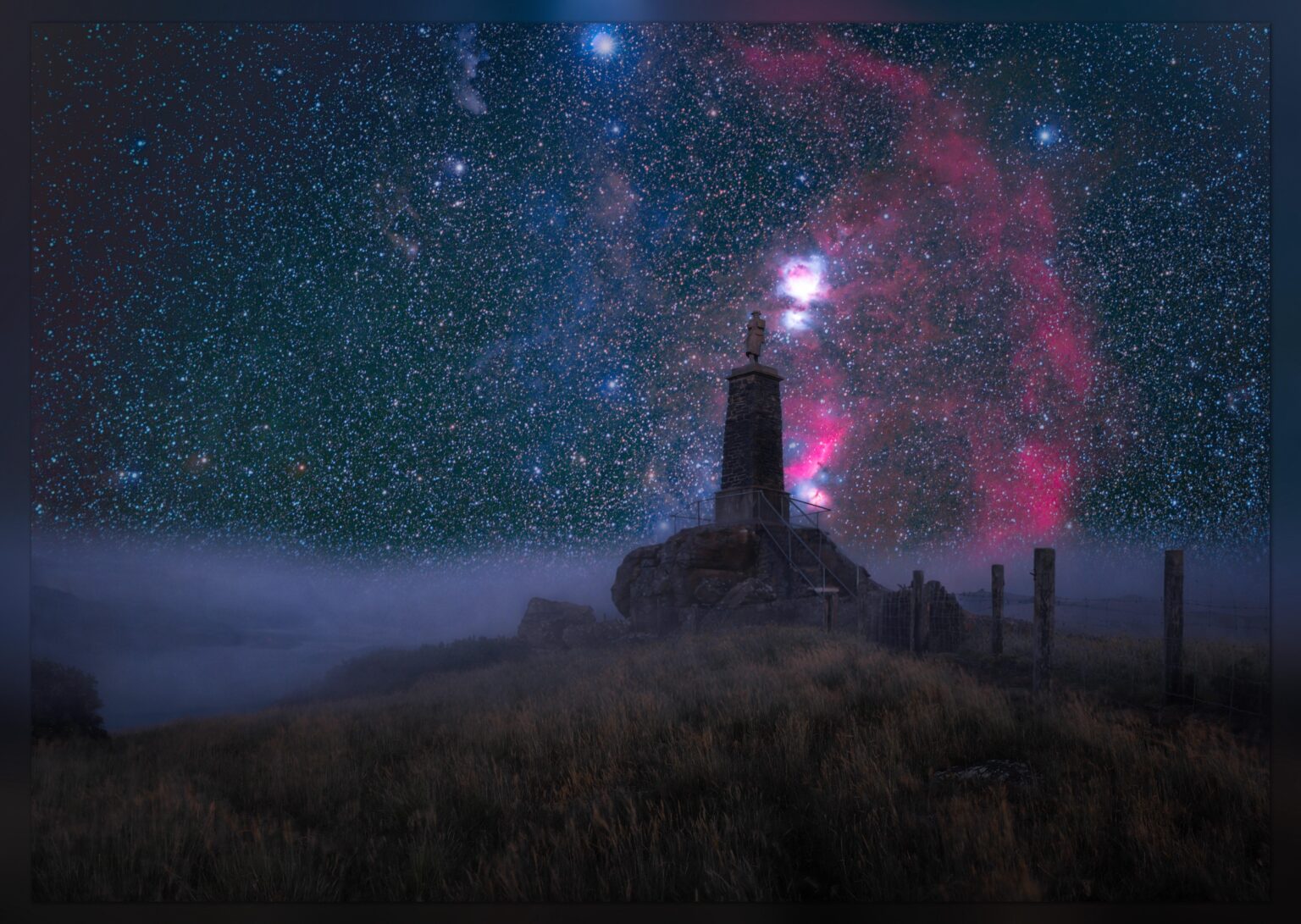
To commemorate and remember those who gave their lives, I created this image titled “The Galactic Poppy.” The poppy has become a lasting symbol of ANZAC Day representing sacrifice, remembrance, and the enduring legacy of those who served.

1 Comment
During the early hours of the morning, combined forces of the Australian and New Zealand Army Corps landed at what is now known as ANZAC Cove in Gallipoli, Turkey, my great-grandfather among them. Fortunately he survived the campaign and continued to fight in Palestine before returning home to New Zealand.
After approximately nine months of relentless uphill battles and stalemated trench fighting, commanding officers made the decision to withdraw from the cove on 9 January 1916. While the evacuation was regarded as a complete success, roughly 11,400 ANZAC soldiers would never return home, with many more lost before the war’s end.
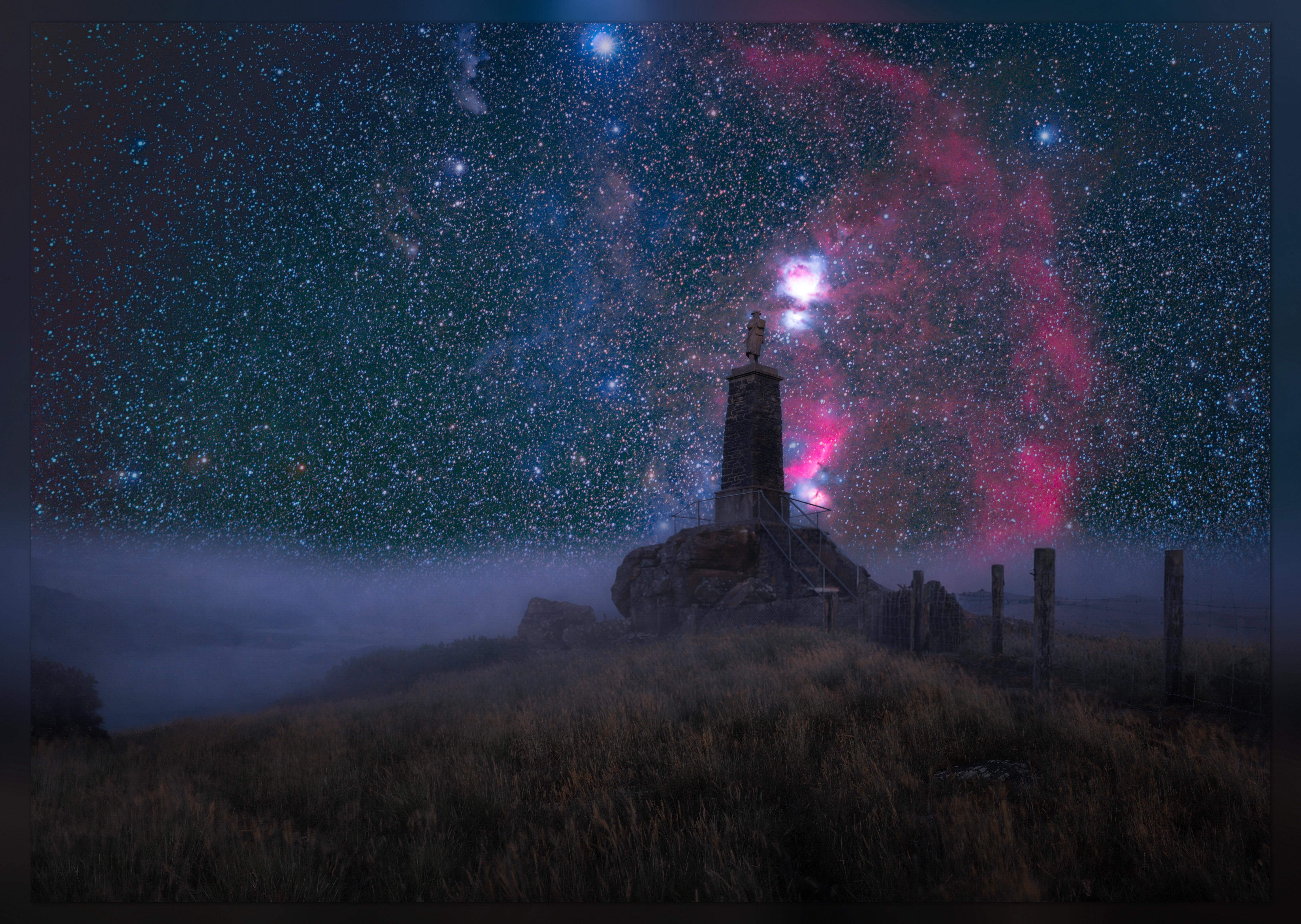
To commemorate and remember those who gave their lives, I created this image titled “The Galactic Poppy.” The poppy has become a lasting symbol of ANZAC Day representing sacrifice, remembrance, and the enduring legacy of those who served.
Lest we forget.