
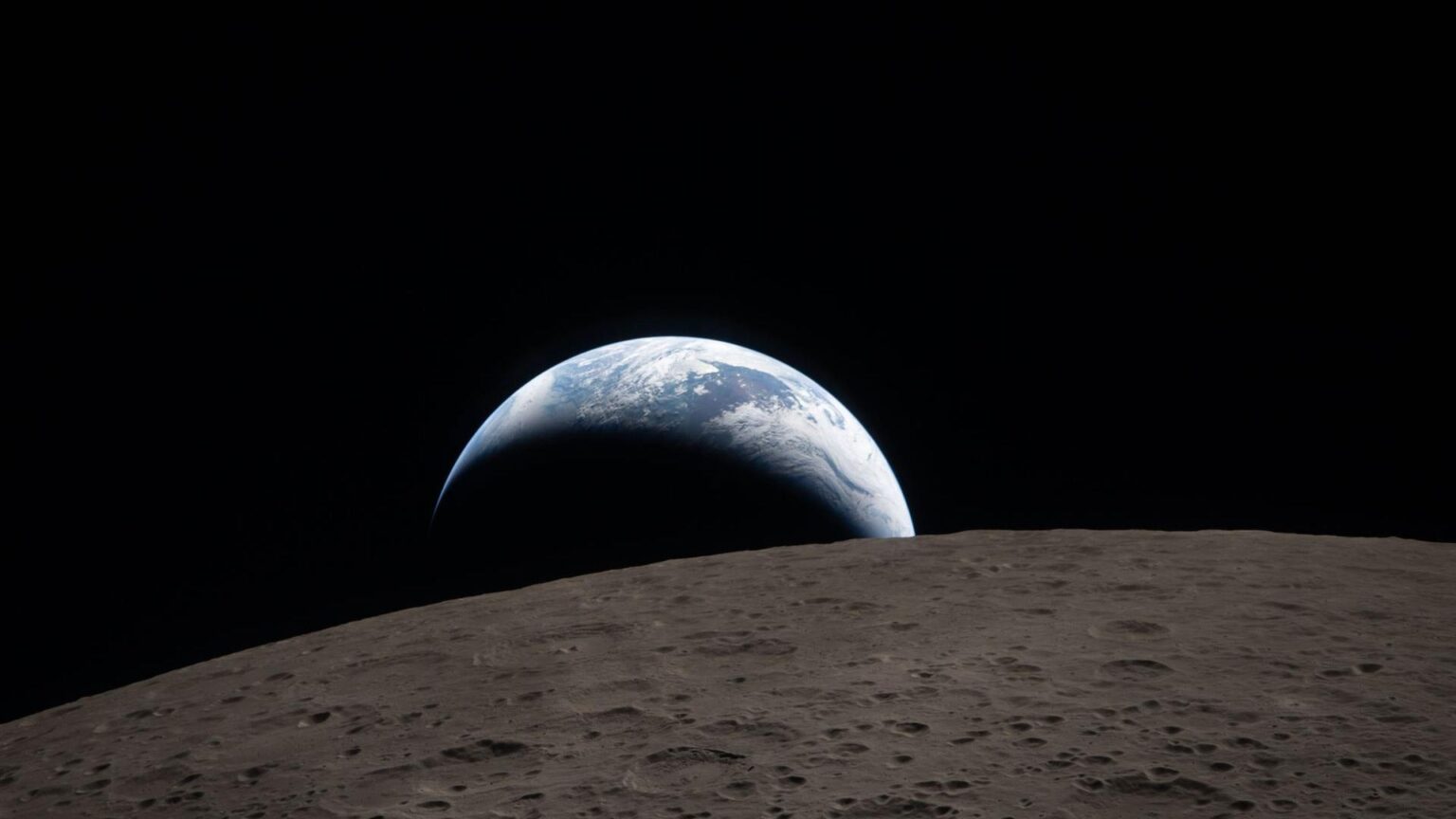
This Earth Day, we reflect on our home planet and look at Earth from space through history.
It’s “like watching sunset at the beach from the most foreign seat in the cosmos,” Artemis 2 commander NASA astronaut Reid Wiseman wrote recently about seeing Earth slip behind the moon.
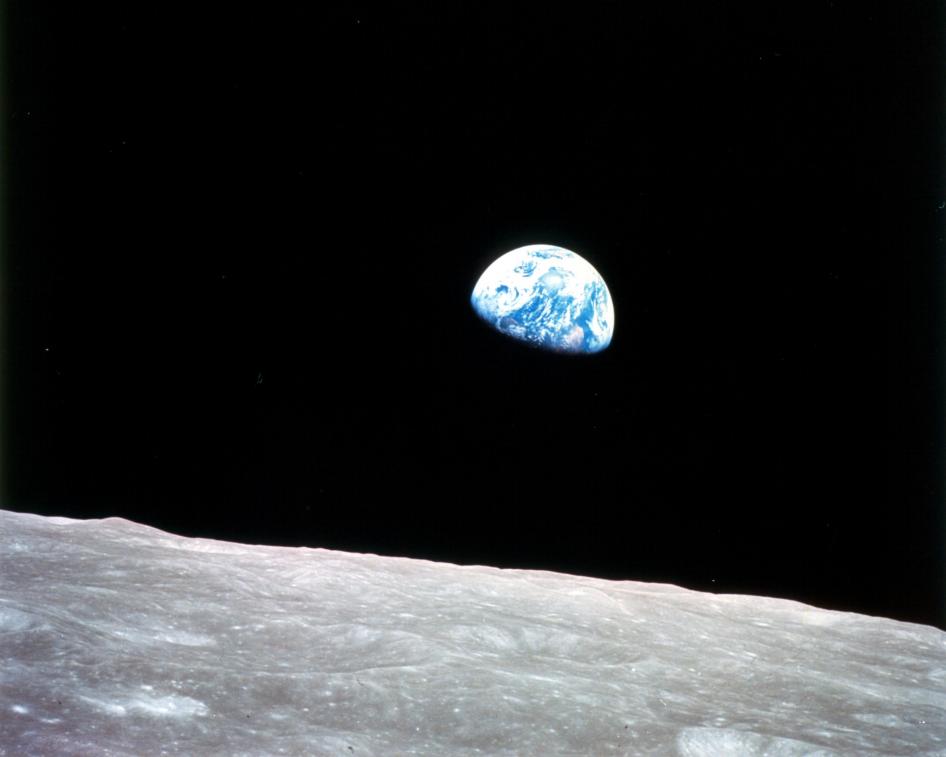
NASA astronauts took this photo of Earth rising from lunar orbit during the Apollo 8 mission on Dec. 24, 1968. (Image credit: NASA)
Fifty-eight years ago, Apollo 8 astronaut Bill Anders captured “Earthrise,” which has become one of the most famous photographs in history. More than just the first high-resolution, color image of Earth from space, this photograph revealed the inherent fragility of our home.
You may like
It was a beautiful, stark reminder that our planet is a big rock, floating through space, protected from the harsh environment of space by a thin atmosphere. This photograph is said to have helped spark the environmental movement, and today it remains a powerful view.
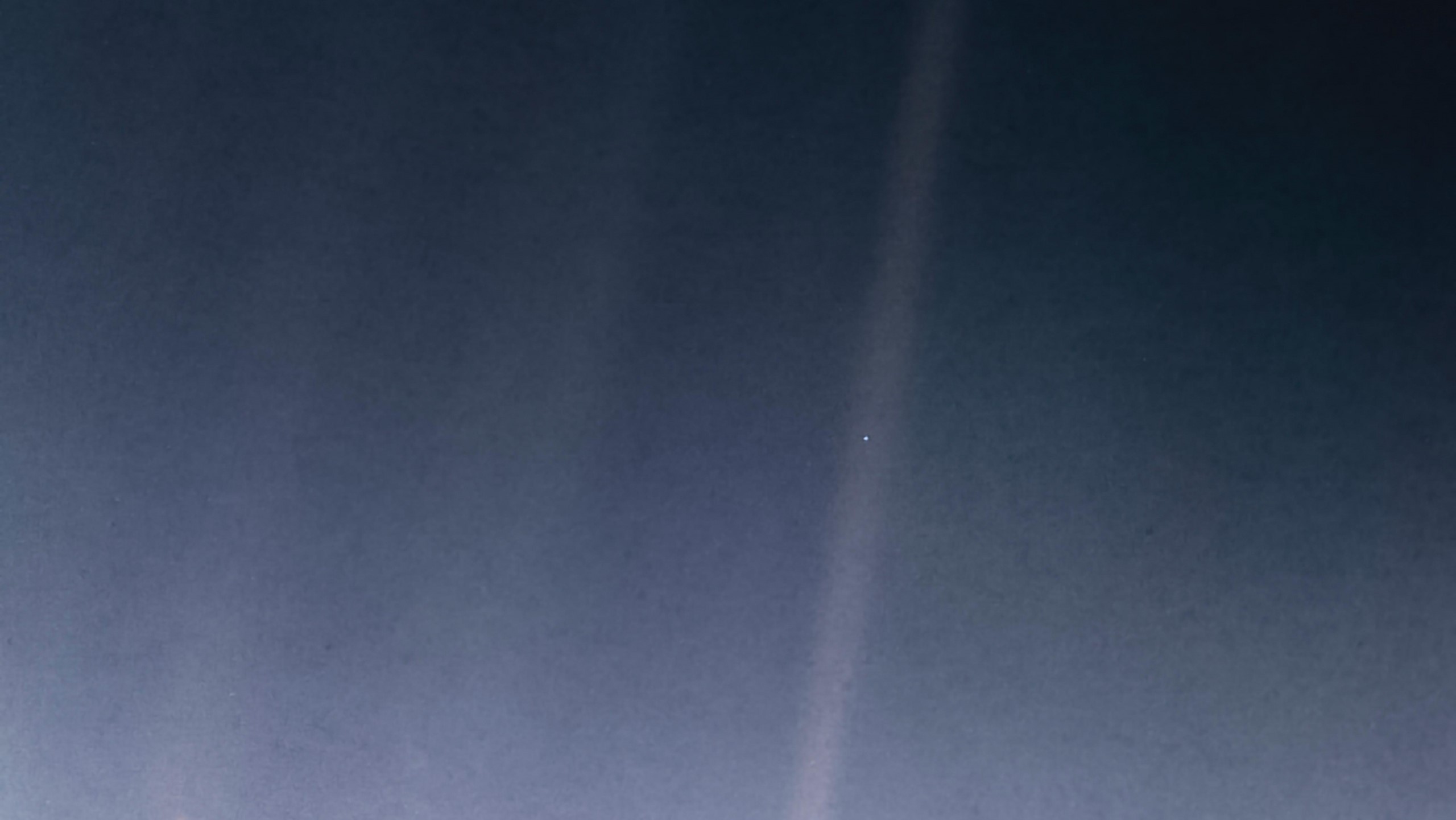
Earth as a “pale blue dot” seen by Voyager 1 in 1990. (Image credit: NASA/JPL-Caltech)
Decades after Earthrise, NASA’s robotic Voyager 1 spacecraft captured another iconic image of our home world: the famous “pale blue dot” photo. The Voyager program launched two probes, Voyager 1 and 2, out into the solar system in 1977, and in the decades since, they have flown past every major planet and are now traveling through interstellar space, farther awauy than any other craft in history.
But on Feb. 14, 1991, Voyager snapped this image of Earth from a staggering 3.7 billion miles (6 billion kilometers) from the sun.
In a scattered beam of sunlight, captured from billions of miles away, sat our home planet — the “pale blue dot,” as astronomer Carl Sagan famously dubbed it.
An Artemis moonshot
With NASA’s Artemis 2 mission, which returned astronauts to the moon for the first time since the end of the Apollo program over 50 years ago, we got amazing new images of Earth snapped by moon-bound astronauts — new views of our home planet from a vantage point just a handful of people have ever reached.
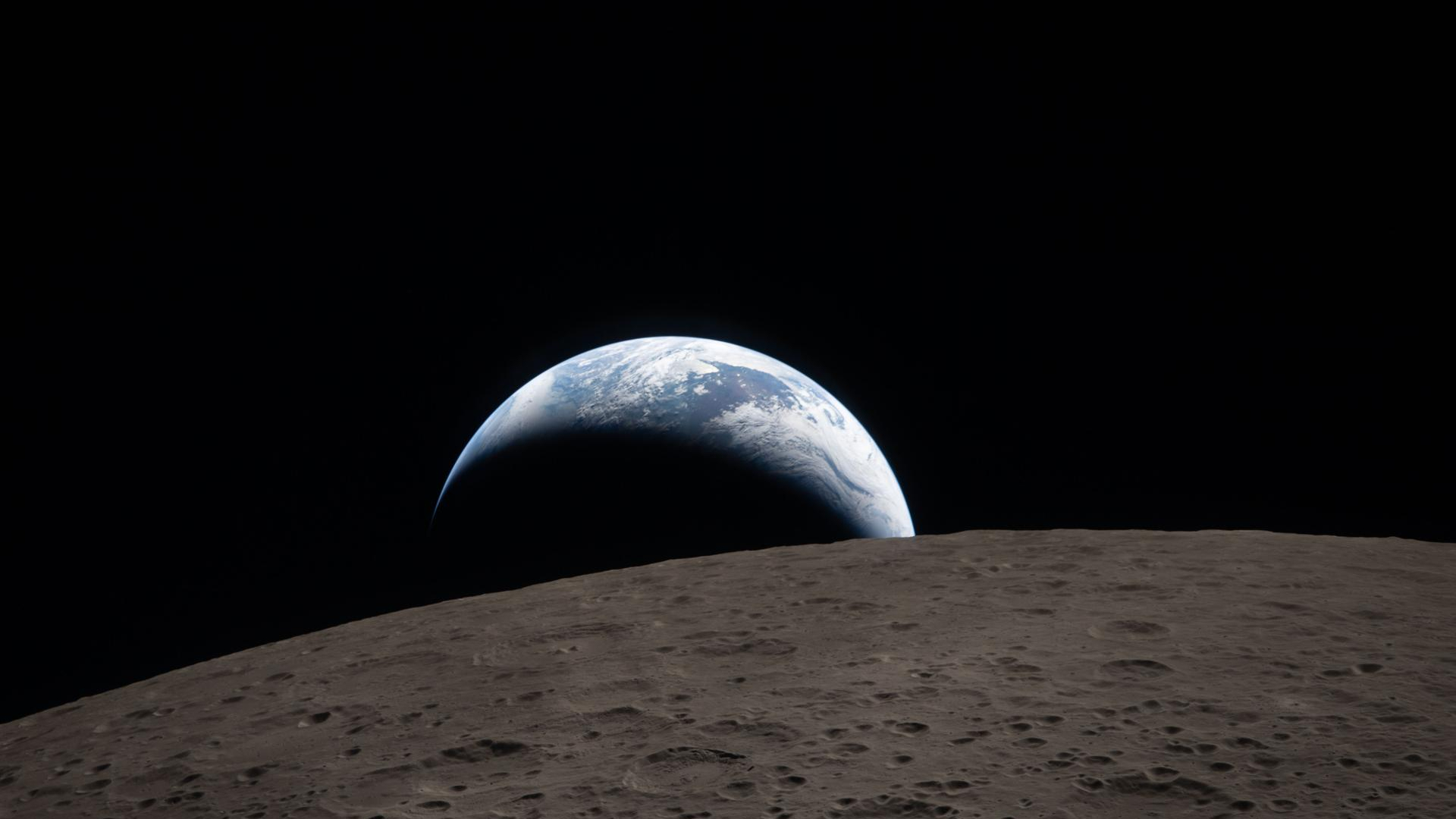
Earthset captured through the Orion spacecraft window at 6:41 p.m. EDT, April 6, 2026, during the Artemis 2 crew’s flyby of the Moon (Image credit: NASA)
The Artemis 2 astronauts traveled around the moon’s far side before returning to Earth, so they had the unique opportunity to actually watch Earth set behind the moon.
“Only one chance in this lifetime,” Wiseman wrote in an April 19 post on X sharing a cellphone video he took of Earth setting behind the moon. “Like watching sunset at the beach from the most foreign seat in the cosmos.”
What to read next
“The four of us took a moment,” Wiseman said about the stretch whenEarth passed behind the moon from the Orion capsule’s perspective, during a news conference after Artemis 2’s April 10 splashdown. While traveling beyond the far side of the moon, the crew lost contact with Earth. For that time — about 40 minutes — they traveled around the moon with no view of Earth.
“It is amazing to watch your home planet disappear behind the moon,” Wiseman added. “You can see the atmosphere. You can see the terrain on the moon projected across the Earth … it was just an unbelievable sight … and then it was gone. It was out of sight.”
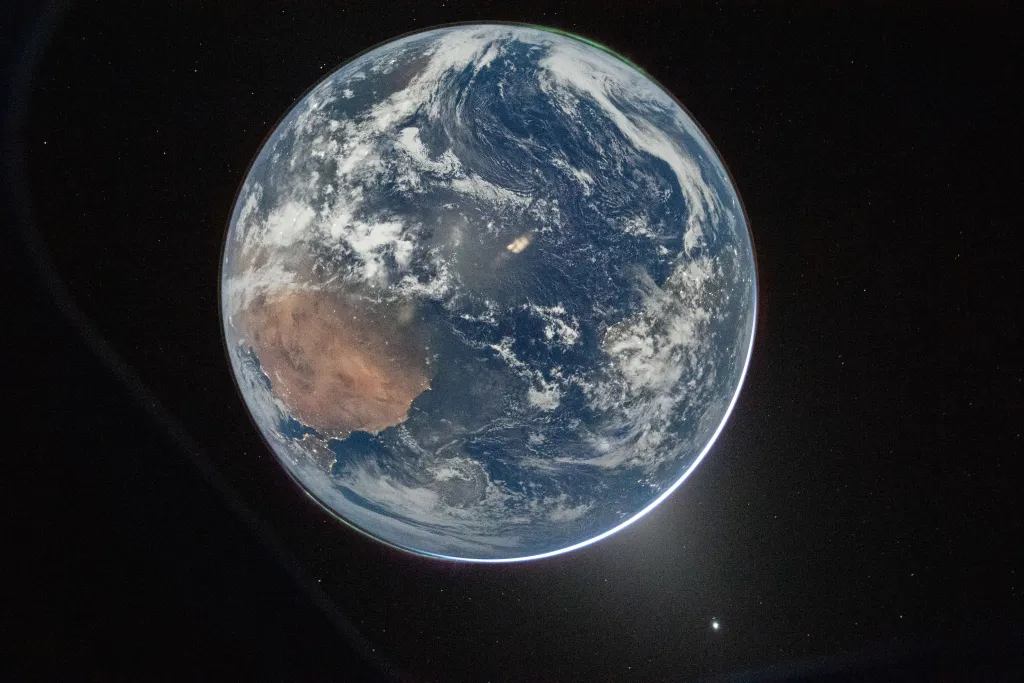
An image of Earth captured from aboard NASA’s Artemis 2 mission to the moon and back in April, 2026. (Image credit: NASA)
Before reaching the moon, the crew was able to look through the Orion capsule’s window and look back at our planet as they made their way. This image, named “Hello, World,” was captured after the spacecraft completed its translunar injection burn, a maneuver that pushed them out of Earth orbit and toward the moon.
The image shows Earth eclipsing the sun, and you can see a sliver of light peeking through, reflecting off interplanetary dust, creating a glow known as the zodiacal light. This image of Earth also hides two auroras, at the top right and bottom left of the planet.
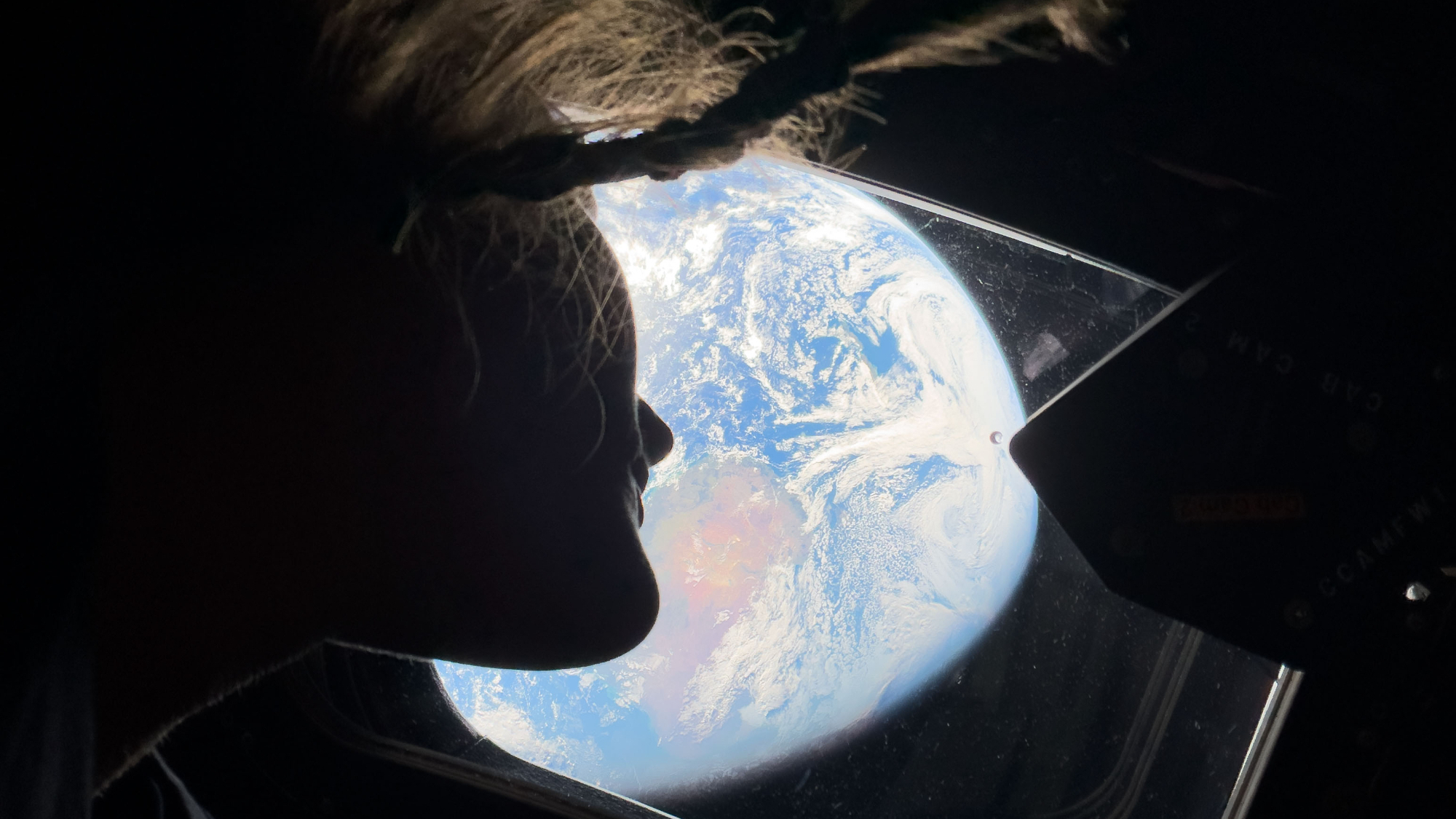
Artemis 2 astronaut Christina Koch of NASA looks at Earth as her Orion spacecraft heads toward the moon in April 2026. (Image credit: NASA)
The Artemis 2 crew didn’t just capture images of Earth but of themselves as well. In the image above, you can see NASA astronaut and Artemis 2 mission specialist Christina Koch with her hair floating in the cabin, looking out the window at Earth. And while we can’t read her mind, her words upon landing back on her home planet reflect this profound moment.
“I know I haven’t learned everything that this journey has yet to teach me,” Koch said in the post-splashdown news conference. “But there’s one new thing I know, and that is, Planet Earth: You are a crew.”
“A crew is a group that is in it all the time, no matter what, that is stroking together every minute with the same purpose, that is willing to sacrifice silently for each other, that gives grace, that holds accountable,” Koch added. “A crew has the same cares and the same needs, and a crew is inescapably, beautifully, dutifully linked.”