
I’m walking the streets of Bristol’s Old Market Quarter as figures who I can only imagine to be humans traverse the streets dressed as gigantic carrots, parsnips and other Sunday roast accoutrements. In the background, the sounds of psych rock and future doom bleed out of bars and basements. There are village drunkards creeping through the alleyways as tradespeople sell their wares on the pavements. It’s a living, breathing, undeniably bizarre village meeting in the West Country, at least for one day of the year.
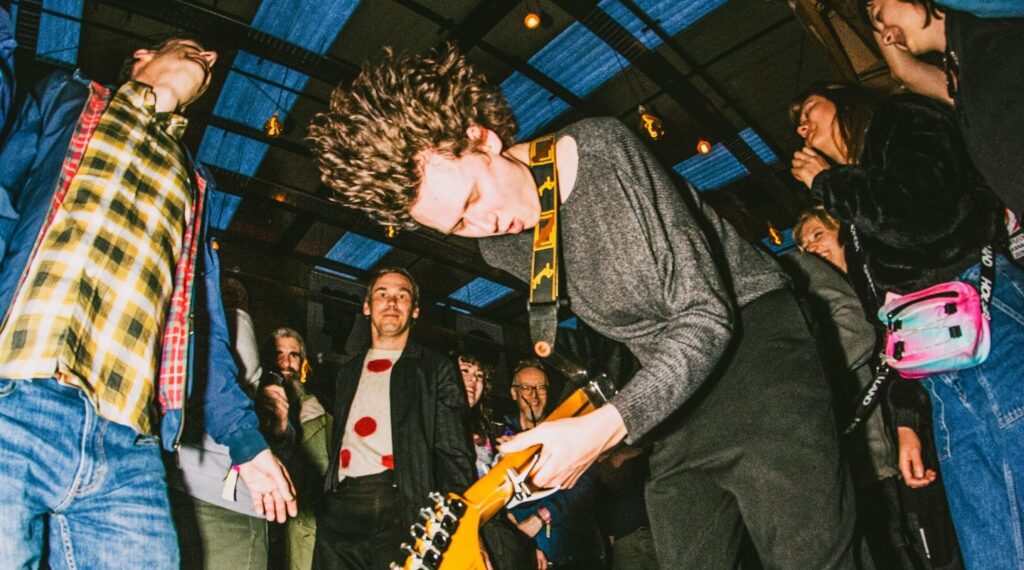
This is Outer Town, one of Bristol’s premier weirdo festival (and in a city like Bristol, that’s quite a statement). Across the multi-venue festival you’ll find boxer-wearing frontmen screaming at audiences of young moshers and old punks. Elsewhere, you’ll discover wizards and sorcerers melting minds with alien psych. Alternative pop plays alongside what can only be described as ‘Bruce Springsteen in a screamo band’.
Outer Town toasted its fifth edition in 2025, a festival that started while it’s founder Harry Dodson was a still Bristol student. Like most students, he spent much of his late-nights in the many spaces the city has to offer, but found that Bristol’s city venues were more an exercise in queuing outside overcrowded venues than in musical discovery. In that, Harry wanted to create something of a village fête for alternative new music.
“At the time [when Outer Town launched], I wanted to support new artists that were coming up in Bristol,” he says. “Back then, it was a really good time in the Bristol scene. Well, Bristol’s always been good, but we had the IDLES boom and lots of bands formed through that. That happens all the time after a new band breaks through in a city, and I wanted that wave to continue.”
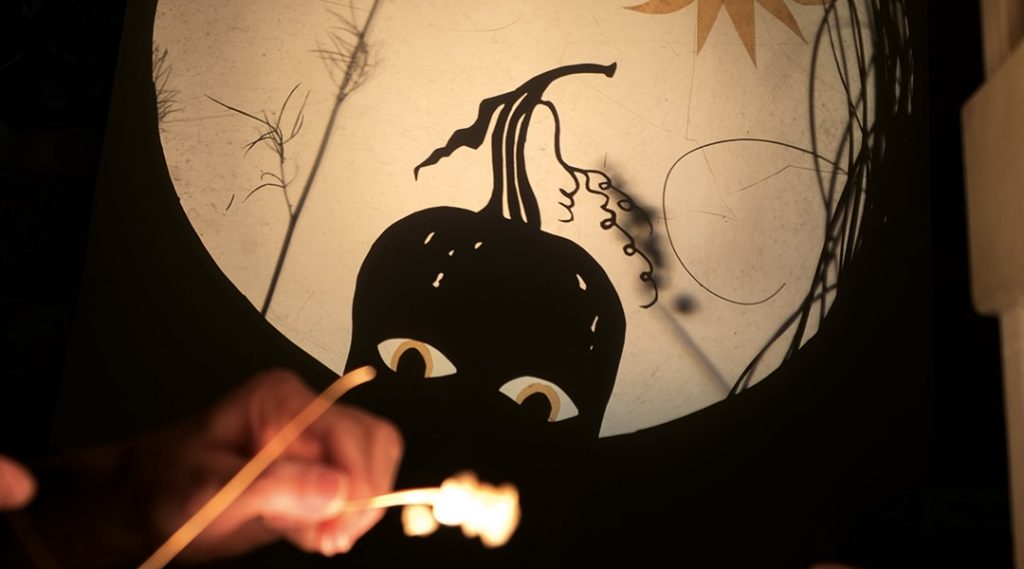
What began as an 400 capacity shot in the dark now sprawls across ten stages. But Outer Town is unique in many ways. Firstly, it brings together all corners of Bristol’s creativity scene through collaborations with the many creative groups that call Bristol home. Local promoters and artists are given full creative license to reimagine a stage to whatever daft concept they can fantasise, while local dance collectives bring heightened immersion to the world of Outer Town.
These collaborations, says Harry, is not only about spreading the word of Outer Town. Rather, it’s about breaking some normalised notions of how a promoter should act while demonstrating how a single day can influence newer generations. “It feels like there’s always so much competition between promoters which gets really difficult sometimes. We hate that mentality. Supporting each other is crucial for keeping a whole music scene alive.” says Harry. “I want to remove that barrier to not supporting local artists and promoters, as well as providing opportunities to people wanting to get into the music and events industry.“
There’s also, of course, the line-up, the very core of what Outer Town does. The festival’s strong focus is about placing emerging talent on the same pedestal as typical ‘headline’ acts. “Sometimes we intentionally put bigger acts in really small spaces,” says Harry. “That can annoy people sometimes, but the people who do make it in experience something really special. Likewise, we can expose smaller acts to a bunch of new faces.“”
Then, there’s a storyline-cum-concept that weaves through all editions of Outer Town and reads like the story of J.R.R Tolkien’s first experience of a rave. Past years have featured stories of evil marsh giants turning streets of Old Market into a sprawling wetland. King Marvyn, the town’s gutless ruler who happens to possess a giant green heads, lauds over his citizens with disdain. At this year’s gathering, the villagers prayers for a bountiful spring harvest were answered by the gods as gigantic vegetables popped up across the town. For those unfamiliar with the world of Outer Town, its deeper lore is explored in the two-part fantasy book series Outer Tome.
In Harry’s own words, this bonkers idea came from a desire to create something magical beyond a festival green field. “There’s not really much character in going to a festival, getting your wristband and then going home,” he says. “For me, a festival should be somewhere you step into and you’re taken to another world. They are places that exist outside of society and are where you feel free. That’s what we try do with Outer Town.“
“Delivering that field festival feeling at a city festival is a really hard thing to do,” Harry goes on to say. “But we achieve it by adding as many things as we can. We pile on endless options of things for people to do.“
Harry admits that can be difficult getting this concept across to some of it audience. “In the past it’s not been that obvious that our festival comes with its own lore. Which is fair,” he laughs. But in delivering a heightened experience for festival-goers – something every festival is looking to do in 2026 – Harry enjoys a unique form of creative license rarely seen elsewhere. “It’s nice to have that freedom to go in any direction. No year has to be the same as the last, and we can just change it up every time,” he says.
It’s easy doing all this in a place like Bristol, where creativity is spray painted on city walls and witnessed through soundsystems and street parties. Can it only exist here? “The feeling with Outer Town is that you can tell that it’s being created by people who live here and has experienced these spaces,” says Harry. “It feels like natural, so I don’t think I could just go to another city and do the same. It wouldn’t feel that way anywhere else.“
Harry is keen to point out through that while Outer Town will always call Bristol its home, the festival’s core notion of collaboration through creativity is all about planting a seed for others (one that may produce giant vegetables in the process). “I’d like to think our idea of collaboration gives anyone a platform to do anything they want to do.”
Tickets for Outer Town 2027 are available now.