

To many of us, Armageddon is an event that’ll happen so far in the distant future, it doesn’t bear thinking about.
After all, it’s long been expected that the very last trace of the cosmos wouldn’t vanish until 10¹¹⁰⁰ (btw, that’s a 1 followed by 1,100 zeroes).
According to an alarming 2023 study, however, the end of the world as we know it might come around quicker than scientists first thought.
The discovery has been documented by a trio of researchers from Radboud University in the Netherlands.
As documented in the Journal of Cosmology and Astroparticle Physics, the team found that the termination of the universe should actually be dated to around 10⁷⁸ years away (that’s a 1 followed by just 78 zeroes).
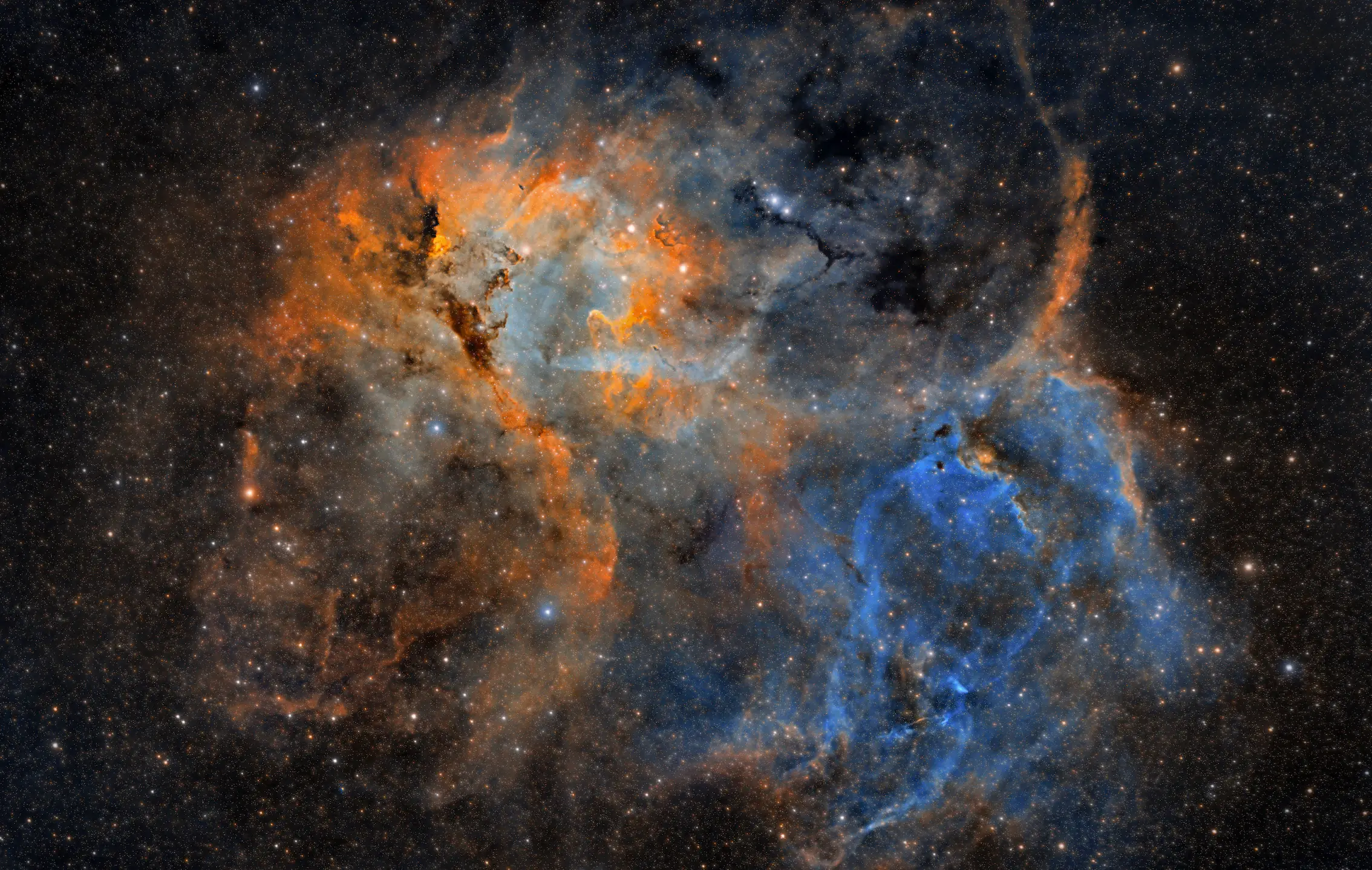 The team developed the theory of Hawking radiation (Getty Stock Images)
Though this doesn’t bring Armageddon forward to as early as next month, it does bring it considerably closer.
According to Science Aim, the difference between a proximity of 10¹¹⁰⁰ years and 10⁷⁸ is astronomical – so much so that the average mind won’t be able to compute what it actually means.
This doesn’t mean we shouldn’t be concerned, however.
Radboud’s researchers – black hole expert Heino Falcke, quantum physicist Michael Wondrak and mathematician Walter van Suijlekom – arrived at their latest conclusion after honing in on the concept of Hawking radiation.
This describes a scientific theory first proposed by British physicist Stephen Hawking in 1975, which suggests that black holes aren’t actually dark gateways to emptiness, but spaces that slowly leak particles.
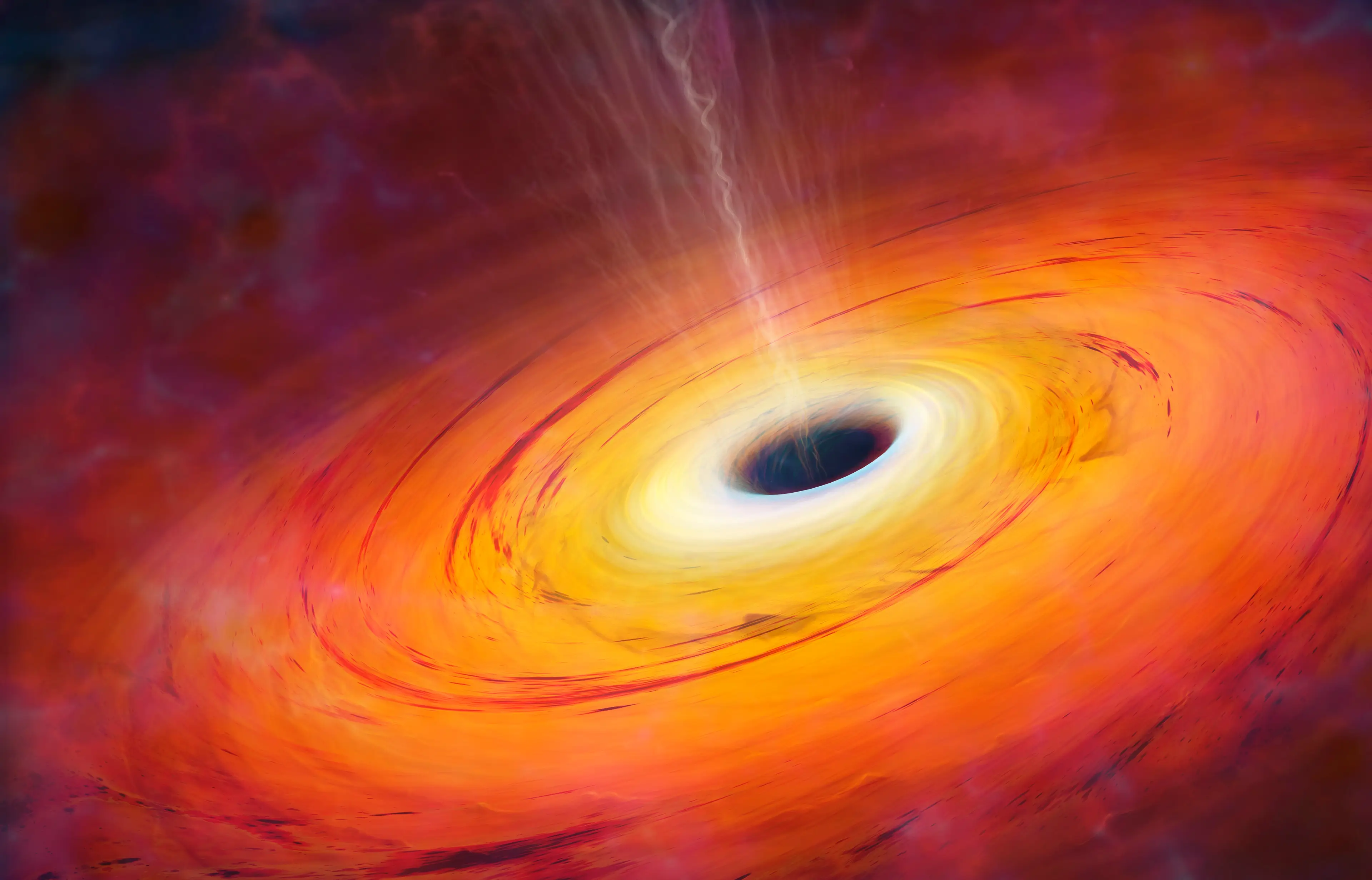 Hawking radiation could have the same evaporating impact on stars as black holes (Getty Stock Images)
Getting super technical, Hawking theorised that a pair of temporary particles sits on the edge of every black hole, and rather than merging, one is sucked away into the abyss, while the other sticks around, imbuing it with energy from the hole itself.
He believed that, over the course of ‘extraordinarily long timescales’, black holes lose a considerable amount of mass in this way, until at one point, they evaporate entirely. This belief contradicts the theory of relativity famously proposed by Albert Einstein in the decades prior, which argued that black holes get bigger over time.
Falcke, Wondrak and van Suijlekom took Hawking’s theory one step further in their 2023 study, insisting that other objects with gravitational fields can be affected by radiation in the same way black holes are.
Testing this, they referred to prior research on how long it took for 10 different celestial objects to completely evaporate via Hawking radiation, looking specifically at the density of each.
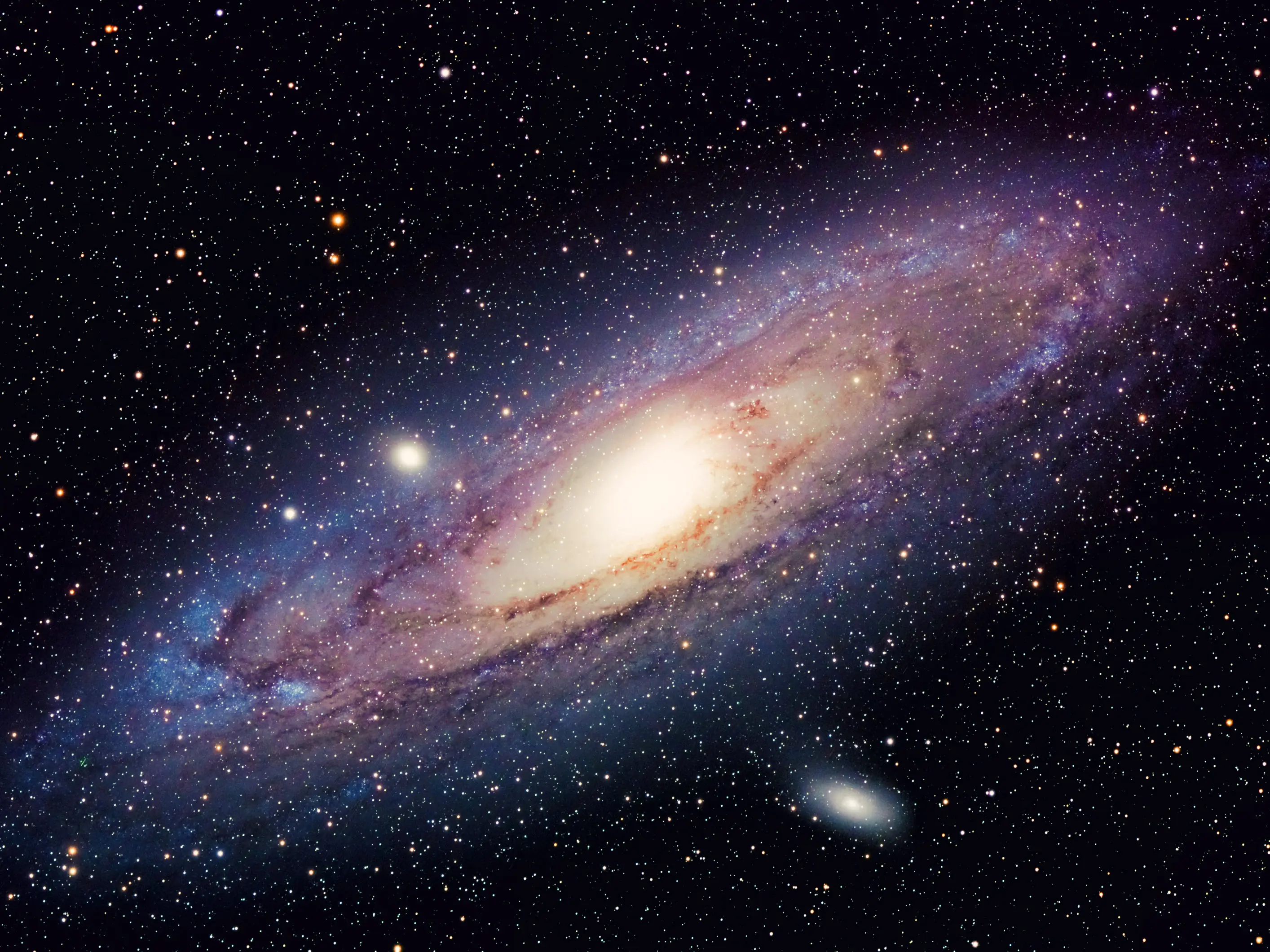 It is expected that stars within the Milky Way will disappear in the same way (Getty Stock Images)
The trio were astonished to find out how long it takes white dwarf stars (dense, cooling remains of stars, like our sun, that have already burned through their respective fuel supplies) to evaporate.
From this point, they were able to reassess their prediction of when the stars currently sparkling within our galaxy, the Milky Way, will vanish.
And apparently, it’s 10⁷⁸ years away.
For reference, scientists today estimate the universe is around 13.8 billion years old.
This equates to around 10¹⁰ years, meaning the 10⁷⁸-year estimation for Armageddon still isn’t something we need to panic over just yet.
“So the ultimate end of the universe comes much sooner than expected, but fortunately, it still takes a very long time,” concluded Falcke.