I wonder if it has to do with what happened at Boncuklu Tarla, a nearby older site that Klaus Schmidt said haunted him.
deepmusicandthoughts on
Why assume they erased their own? Lots of temples have been buried for numerous reasons.
jojojoy on
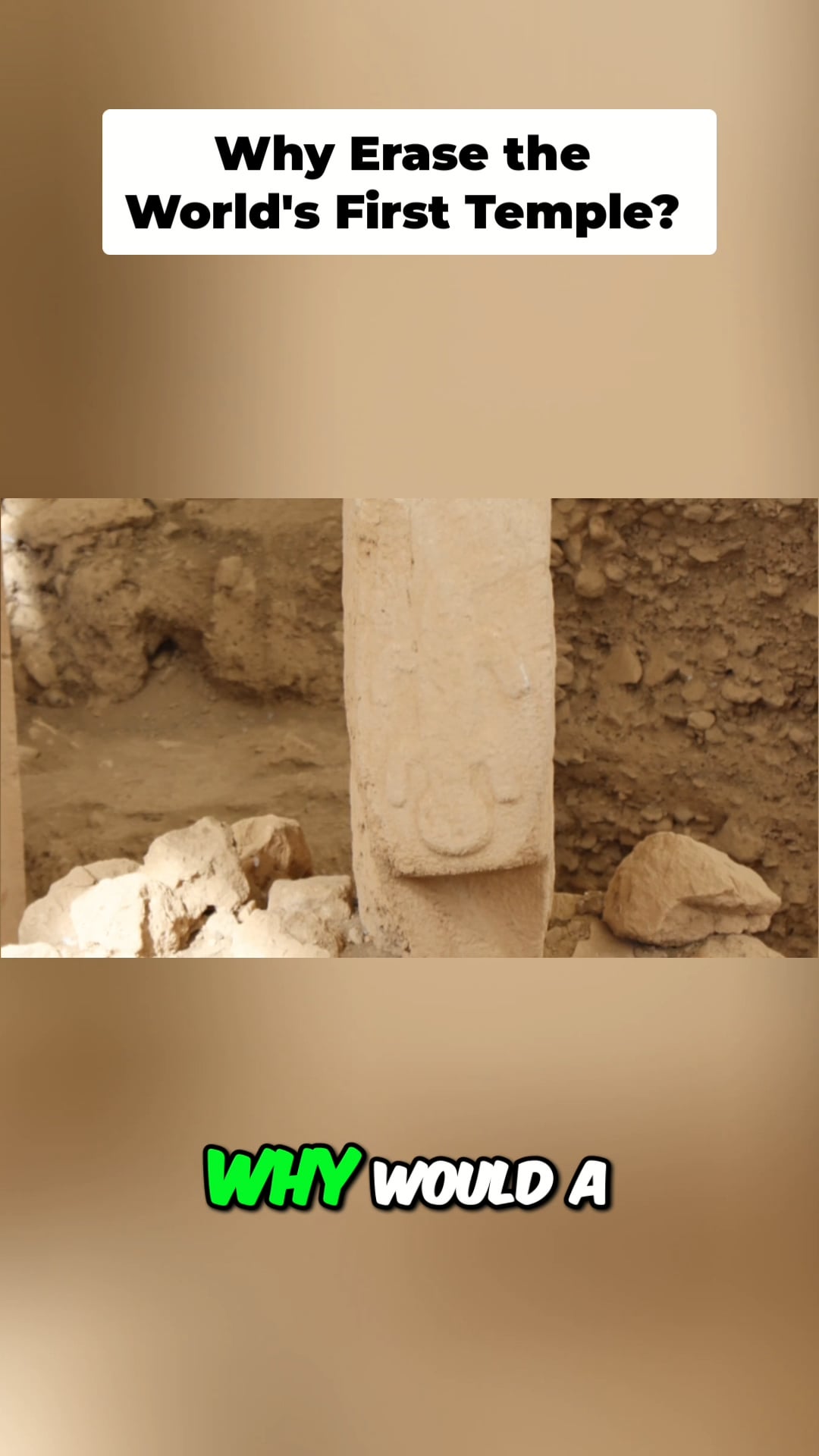
That idea that it was intentionally buried has changed as more work has been done. There wasn’t a single burial event, there is good evidence for slope slides into the enclosures from higher parts of the site, and the site was still occupied after parts were buried.
That doesn’t rule out intentional burial of some parts, but the history of the site is more complex that just being buried at the end of its life.
> there is growing evidence of the unintentional inundation of the special buildings by slope slides issuing from adjacent and higher-lying slopes, where continuous building activities had led to tell formation. This model contradicts earlier proposed scenarios that envisaged an intentional (ritual) backfilling of the buildings in the frame of large-scale celebrations and feasts. The destructive slope slide(s), perhaps triggered by periods of heavy rainfall, possibly combined with seismic activity, inundated the lower-lying special buildings with rubble from the superstructures of buildings located on the slopes, and mixed PPNA and EPPNB deposits, including middens and sub-floor burials…
> Observations made in Special Building D in 2023 support the slope slide hypothesis; these include damage to its architectural structure, air pockets in the rubble, the discovery of negatives of wooden beams from its collapsed roof, and preserved areas of roof plaster in the rubble matrix.^1
See also,
> Kinzel, Moritz. “Shaking up the Neolithic – Tracing Seismic Impact at Neolithic Göbekli Tepe/Southeast-Türkiye.” *Archaeological Research in Asia* 40 (December 2024): 100560. https://doi.org/10.1016/j.ara.2024.100560.
> Kinzel, Moritz, Lee Clare, and Devrim Sönmez. “Built on Rock – Towards a Reconstruction of the ›Neolithic‹ Topography of Göbekli Tepe.” *Istanbuler Mitteilungen* 70 (November 2024): 9–45. https://doi.org/10.34780/n42qpb15.
This is not published yet but will probably go into more detail.
> Pöllath, N., et al. “Layer by layer: Site formation processes at Early Neolithic Göbekli Tepe, SE Anatolia (Türkiye).” *Quaternary Science Reviews*
___
1. Clare, Lee. “Inspired Individuals and Charismatic Leaders: Hunter-Gatherer Crisis and the Rise and Fall of Invisible Decision-Makers at Göbeklitepe.” *Documenta Praehistorica* 51 (August 2024): 12-13. https://doi.org/10.4312/dp.51.16.
runespider on
Sayibg some theories say, it was intentionally buried is a little misleading.
Initially it was thought that it was buried intentionally, but that’s changed since.
The people who are excavating the site have come to the conclusion the buildings weren’t all purposefully buried. Though it’s a little more complex.
There’s signs that the oldest buildings were being buried by erosion over time, with efforts made to clear and restore them. Pillars were removed and added to newer structures. Older ones may have been intentionally filled after being retired and replaced by newer buildings, though it’s not clear that they were intentionally filled or just left to be buried.
When the later rectangular buildings were built the leveled a section which did bury some of the structures. But not all. Then after it was abandoned erosion of the hill took over.
The site was dynamic, makes sense since it was occupied for around 1500 years.

5 Comments
It’s not a temple
I wonder if it has to do with what happened at Boncuklu Tarla, a nearby older site that Klaus Schmidt said haunted him.
Why assume they erased their own? Lots of temples have been buried for numerous reasons.
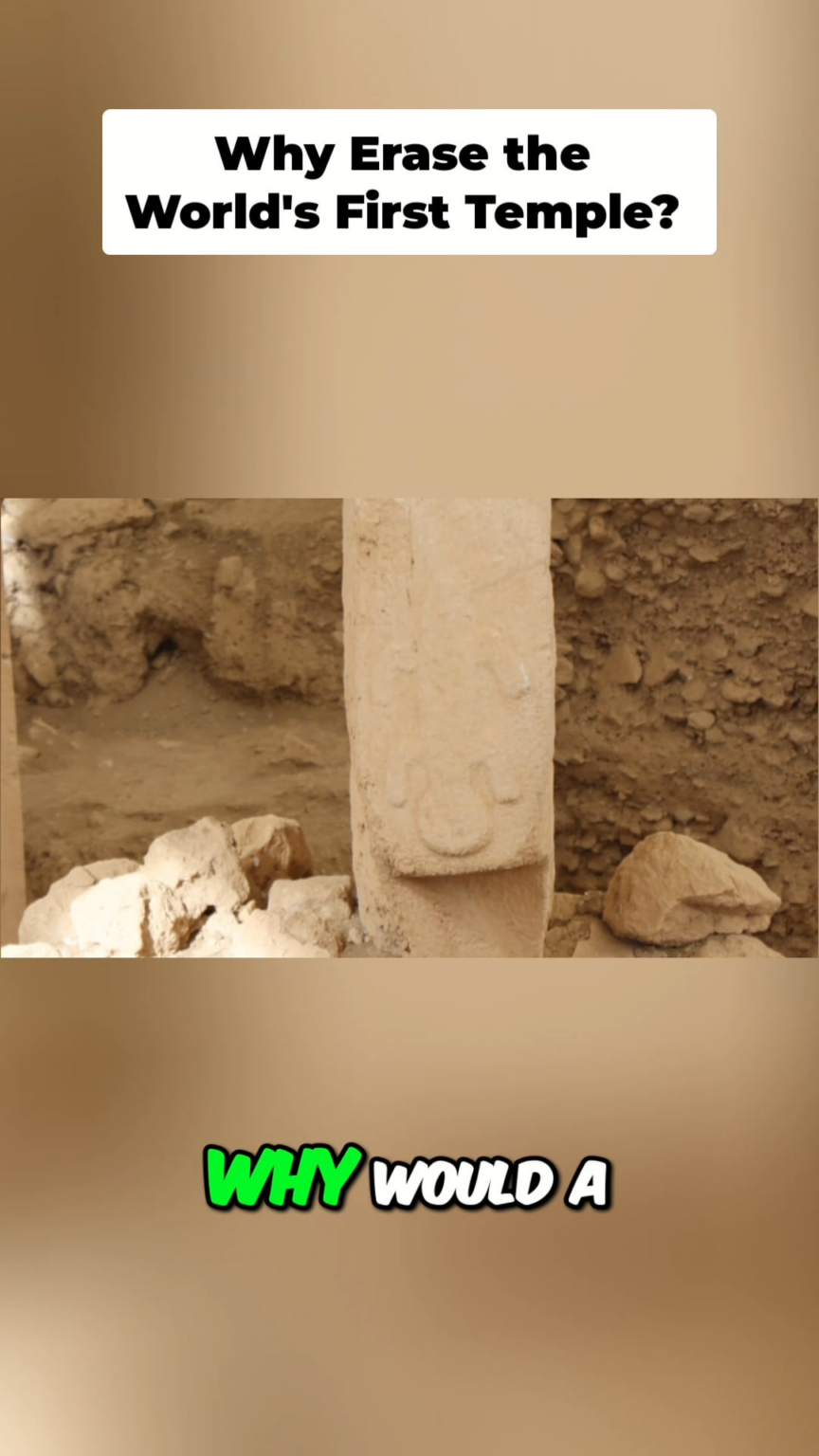
That idea that it was intentionally buried has changed as more work has been done. There wasn’t a single burial event, there is good evidence for slope slides into the enclosures from higher parts of the site, and the site was still occupied after parts were buried.
That doesn’t rule out intentional burial of some parts, but the history of the site is more complex that just being buried at the end of its life.
> there is growing evidence of the unintentional inundation of the special buildings by slope slides issuing from adjacent and higher-lying slopes, where continuous building activities had led to tell formation. This model contradicts earlier proposed scenarios that envisaged an intentional (ritual) backfilling of the buildings in the frame of large-scale celebrations and feasts. The destructive slope slide(s), perhaps triggered by periods of heavy rainfall, possibly combined with seismic activity, inundated the lower-lying special buildings with rubble from the superstructures of buildings located on the slopes, and mixed PPNA and EPPNB deposits, including middens and sub-floor burials…
> Observations made in Special Building D in 2023 support the slope slide hypothesis; these include damage to its architectural structure, air pockets in the rubble, the discovery of negatives of wooden beams from its collapsed roof, and preserved areas of roof plaster in the rubble matrix.^1
See also,
> Kinzel, Moritz. “Shaking up the Neolithic – Tracing Seismic Impact at Neolithic Göbekli Tepe/Southeast-Türkiye.” *Archaeological Research in Asia* 40 (December 2024): 100560. https://doi.org/10.1016/j.ara.2024.100560.
> Kinzel, Moritz, Lee Clare, and Devrim Sönmez. “Built on Rock – Towards a Reconstruction of the ›Neolithic‹ Topography of Göbekli Tepe.” *Istanbuler Mitteilungen* 70 (November 2024): 9–45. https://doi.org/10.34780/n42qpb15.
This is not published yet but will probably go into more detail.
> Pöllath, N., et al. “Layer by layer: Site formation processes at Early Neolithic Göbekli Tepe, SE Anatolia (Türkiye).” *Quaternary Science Reviews*
___
1. Clare, Lee. “Inspired Individuals and Charismatic Leaders: Hunter-Gatherer Crisis and the Rise and Fall of Invisible Decision-Makers at Göbeklitepe.” *Documenta Praehistorica* 51 (August 2024): 12-13. https://doi.org/10.4312/dp.51.16.
Sayibg some theories say, it was intentionally buried is a little misleading.
Initially it was thought that it was buried intentionally, but that’s changed since.
The people who are excavating the site have come to the conclusion the buildings weren’t all purposefully buried. Though it’s a little more complex.
There’s signs that the oldest buildings were being buried by erosion over time, with efforts made to clear and restore them. Pillars were removed and added to newer structures. Older ones may have been intentionally filled after being retired and replaced by newer buildings, though it’s not clear that they were intentionally filled or just left to be buried.
When the later rectangular buildings were built the leveled a section which did bury some of the structures. But not all. Then after it was abandoned erosion of the hill took over.
The site was dynamic, makes sense since it was occupied for around 1500 years.