
No spoiler, The movie link is in the comments section …
—————-
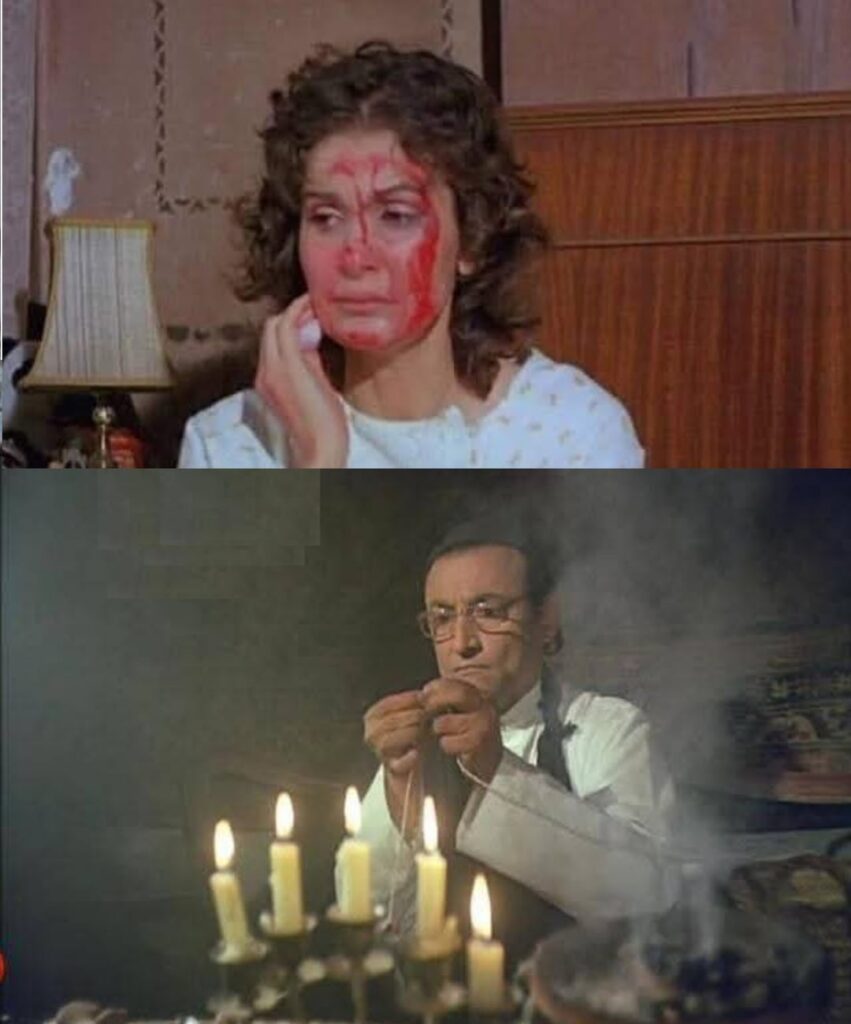
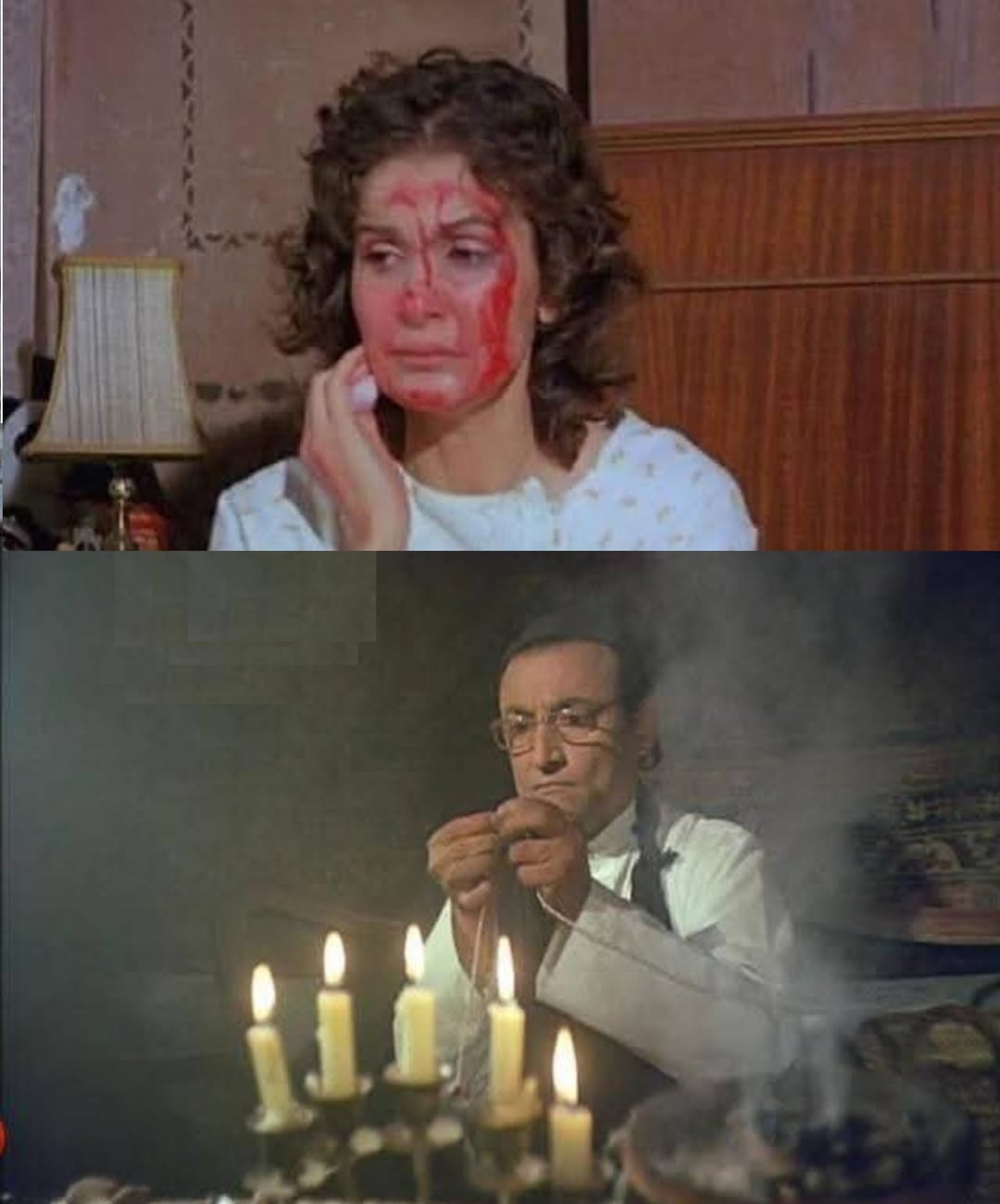
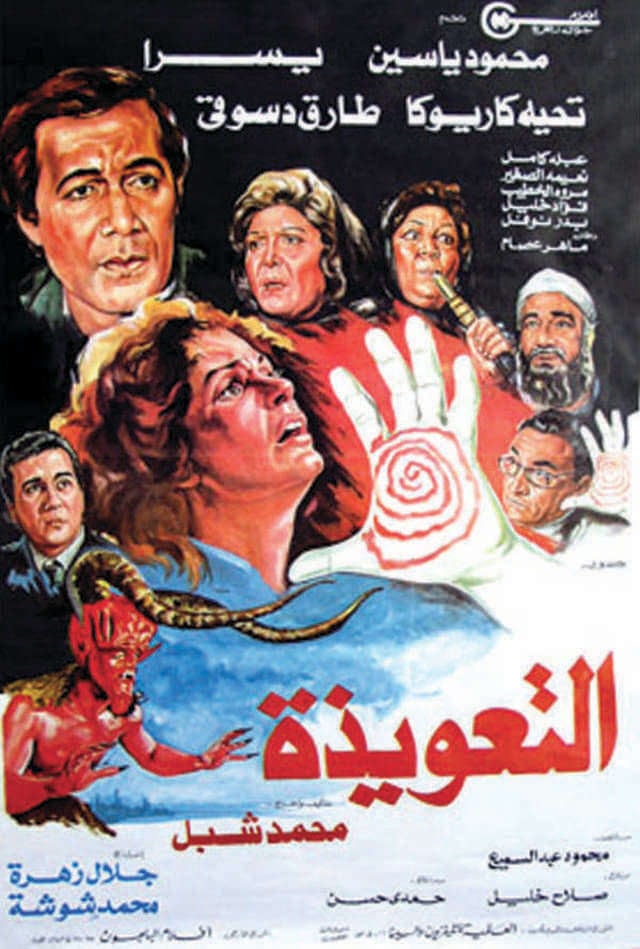
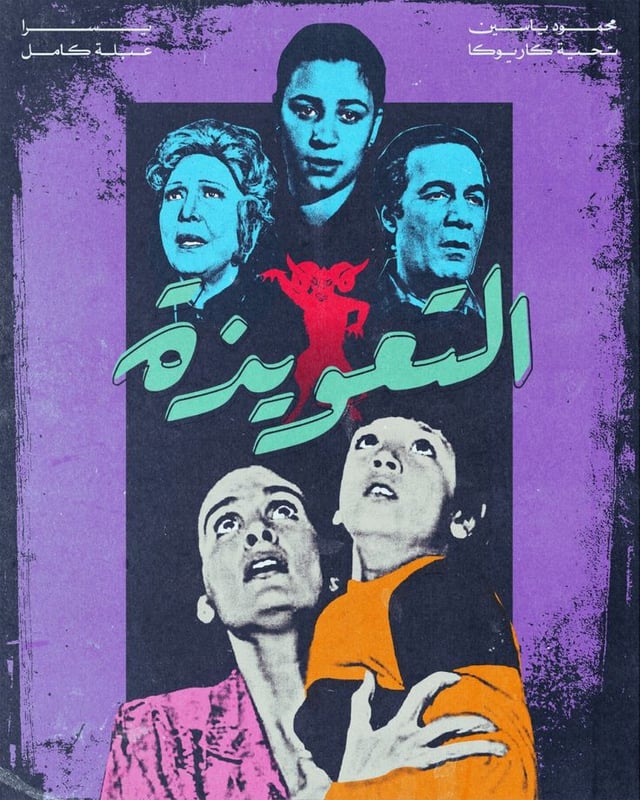
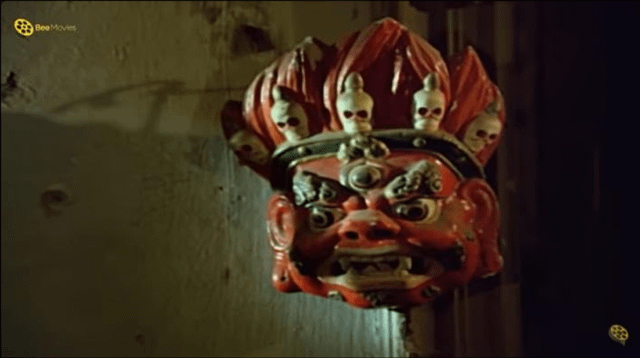
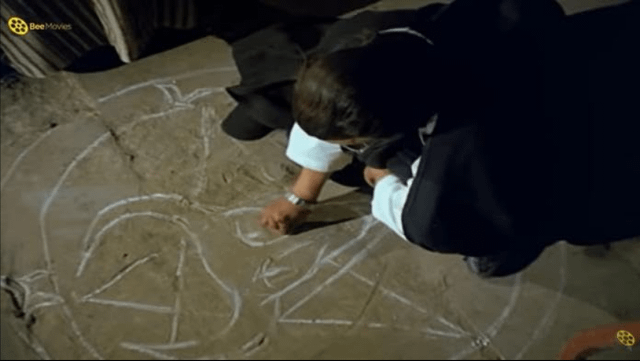
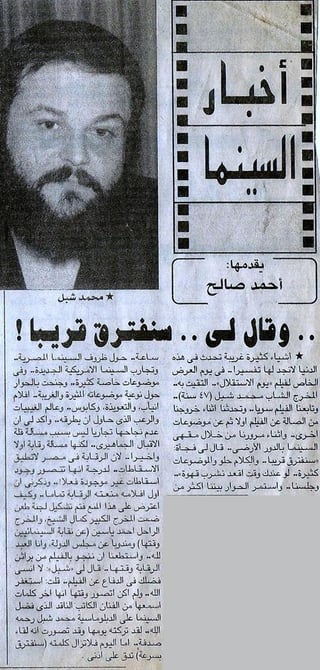
Let me introduce you to "The Talisman" or "The Incantation" (التعويذة), a film that is arguably the most mysterious and terrifying Egyptian production ever made, it was screened in 1987, and when I say terrifying, I don’t just mean the horror that unfolds on the screen itself, but rather the chain of bizarre and chilling events that occurred behind the scenes, including deleted scenes by censorship that were never meant to be seen by the public, the inexplicable death of the director Mohamed Shebl محمد شبل, the strange and recurring symbols that appear throughout the film, and even the untimely demise of the laboratory technician who handled a sample from the infamous house.
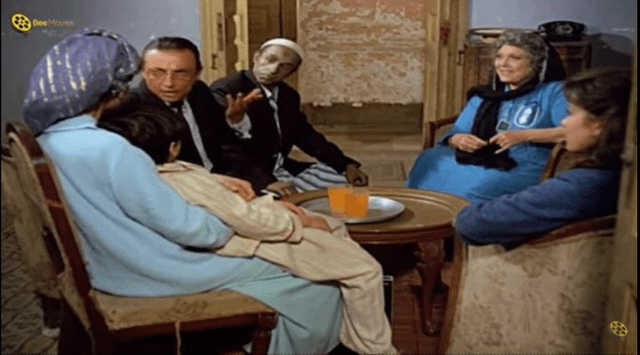
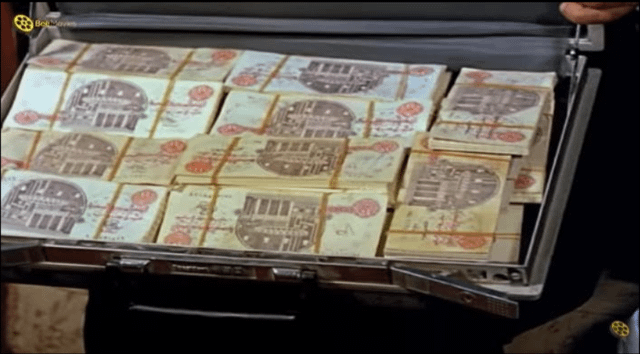
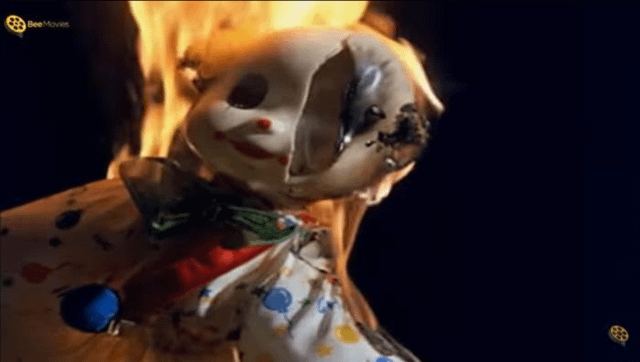
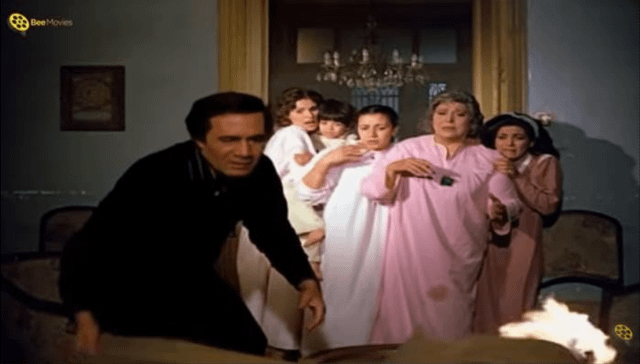
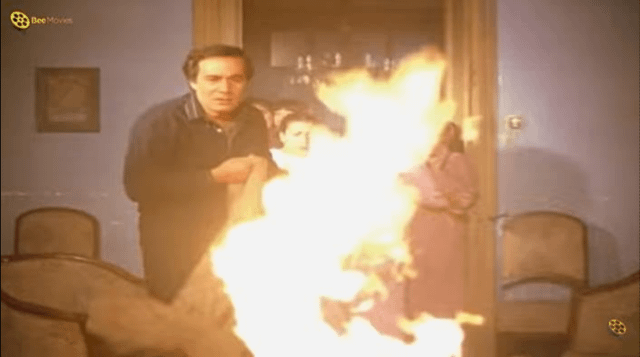
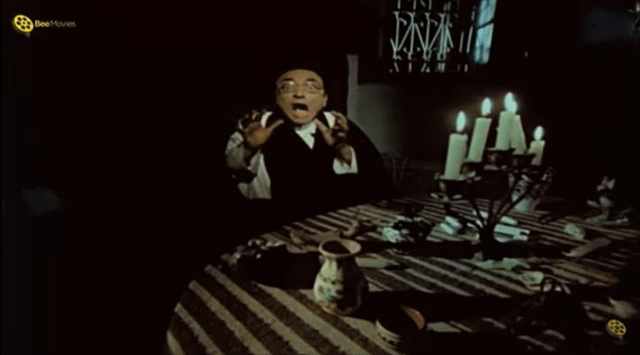
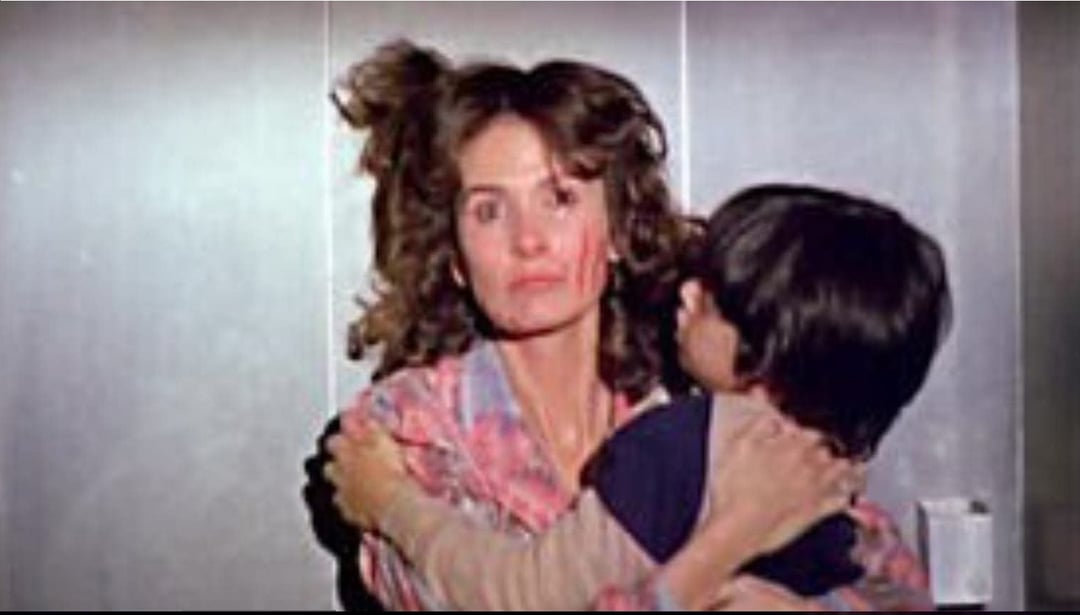
The story begins with a seemingly ordinary old house, where a family lives their lives quietly until a businessman named Fouad Khalil فؤاد خليل appears, fixated almost obsessively on buying the property, offering money, luxurious apartments, and any material incentive one could imagine, and when the family repeatedly refuses, inexplicable and terrifying events begin to occur: furniture bursts into flames with no source of ignition, blood mysteriously drips from the ceilings, and the house itself seems to come alive with a malevolent energy, creating the kind of classic horror atmosphere that feels simultaneously familiar and deeply unnerving, yet all of this begs the question: why this house, and why now?
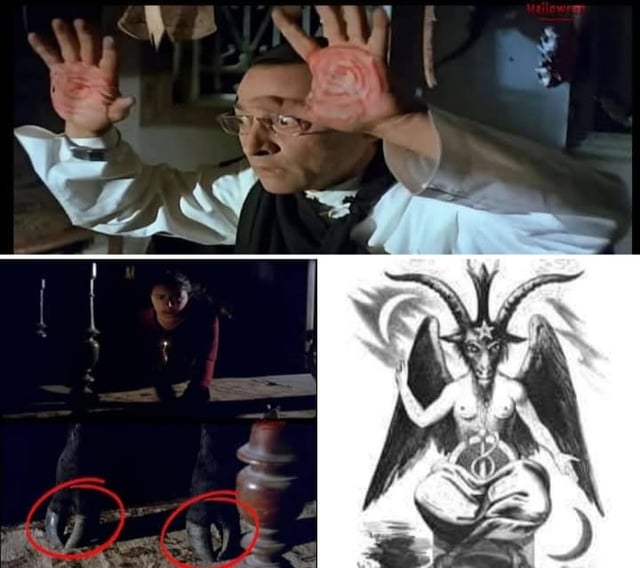
Some suggested theories that the house is not merely a house at all, but rather a gateway, a portal between our world and another, far more dangerous realm, and the evidence lies in a scene where Abla Kamel عبلة كامل is in the kitchen, only to witness a wall suddenly split open, revealing a demon in its true form – Baphomet بافوميت, half-human, half-goat – a figure so powerful and otherworldly that it would be almost impossible for it to manifest in our reality without a breach in the natural order, which in turn suggests that the businessman’s obsession was not for wealth or treasure, but for access to a portal, a conduit to something beyond our comprehension, something that would justify the extreme risks involved in the rituals he performs.
Adding another layer of intrigue, the cinematographer of the film revealed years later that the original script was vastly different from what was ultimately released, disclosing that the house had historically been owned by Jewish families who left Egypt during Nasser's era decades earlier and, after the peace treaty between Egypt and Israel in 1979, sought to reclaim their property, using the businessman as their intermediary and agent in the process, yet all of these politically and historically significant details were removed by censorship, leaving the final film confusing and seemingly nonsensical in terms of the businessman’s obsession, while a third, less sensational but equally perplexing theory suggests that there might have been treasure hidden beneath the floors of the house, although this fails to explain why dark magic and the summoning of demons would be employed to obtain it, rendering the notion of treasure alone entirely insufficient to account for the supernatural occurrences.
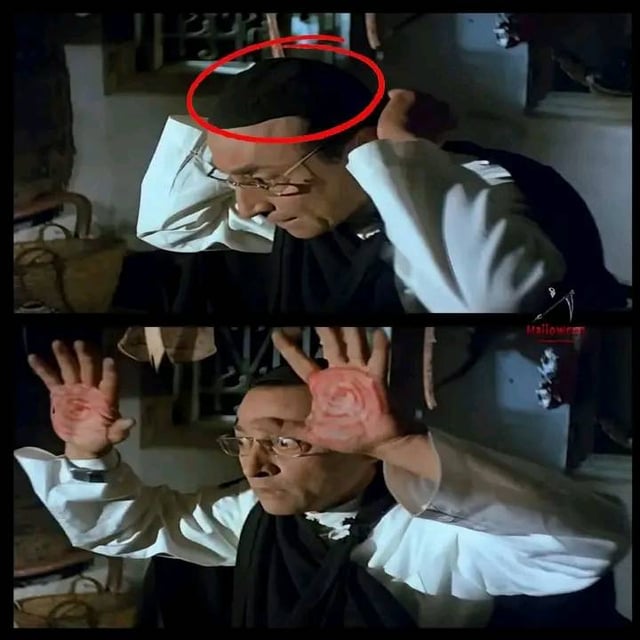
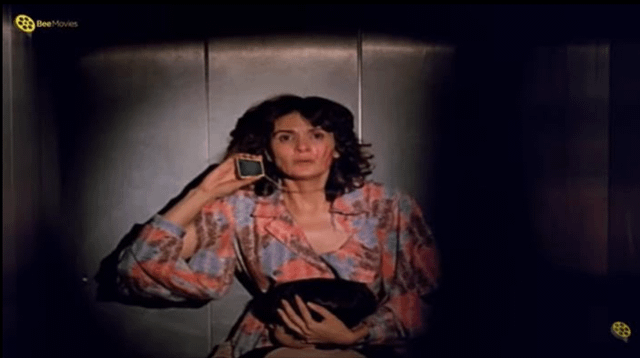
Throughout the film, symbols appear with unnerving frequency and specificity, from the tiny skullcap that Fouad Khalil wears, which bears an uncanny resemblance to a kippah and seems tied to rituals reminiscent of Kabbalah الكابالا, to the terrifying moment when Abla Kamel glimpses two legs in the darkness that end in hooves, confirming the presence of Baphomet once again, and even the seemingly innocuous necklace worn by Yousra يُسري, which is her actual necklace from decades earlier when she was a child, suggesting that it carries a certain energy or history of its own, as though the objects and characters themselves are imbued with residual forces that amplify the sense of dread.
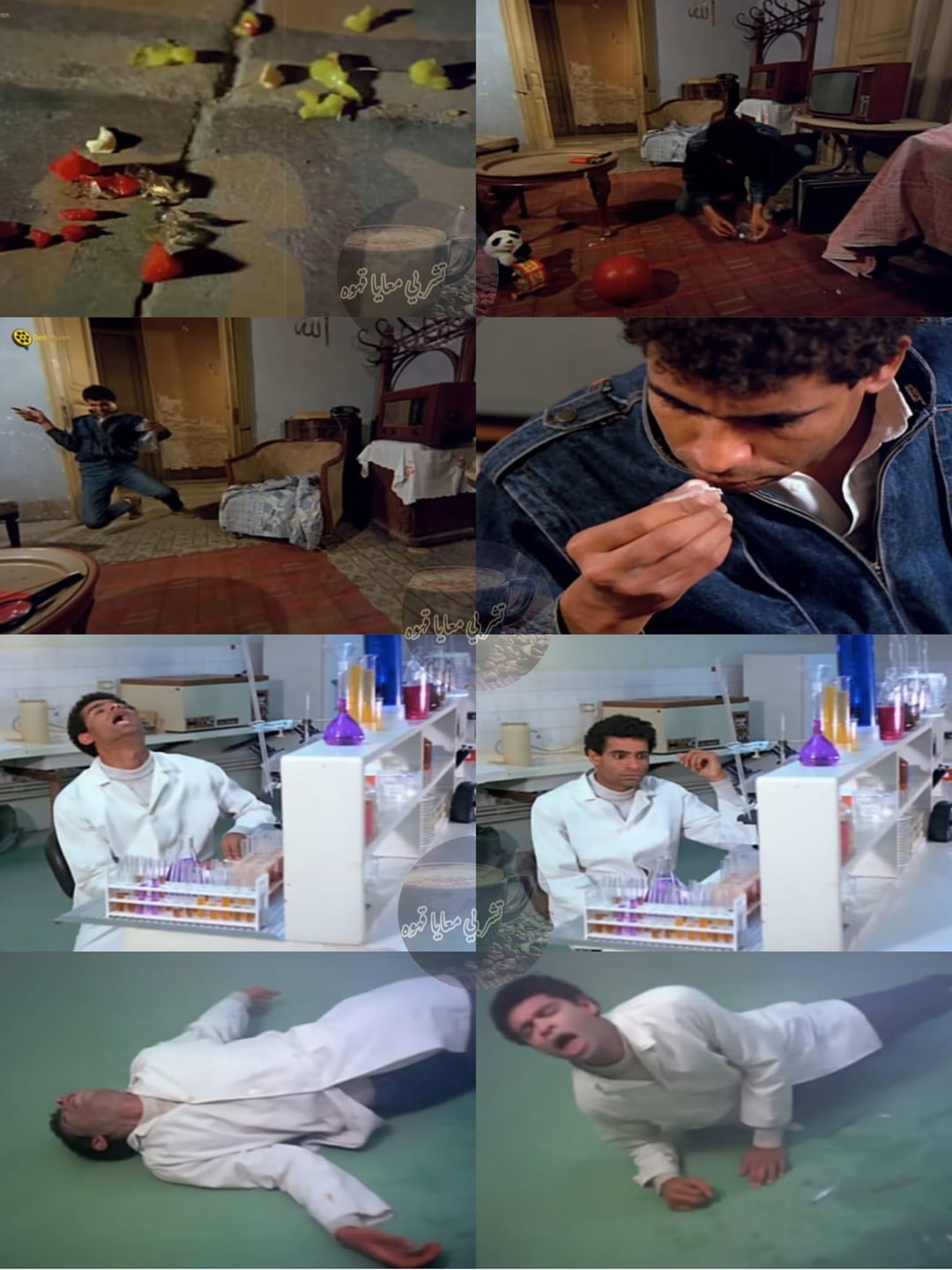
The laboratory technician, Mahmoud El Bazawi محمود البزاوي, adds yet another layer of horror to the tale, as he collects a sample from the burned house, examines it under a microscope, smells smoke, and dies almost immediately thereafter, leaving viewers and researchers to speculate about what he saw, with some humorously suggesting it was “djinn poop,” while those familiar with occult lore understand that when a powerful demon crosses into our world, it leaves a physical trace, a residue that smells of burning sulfur, and the lab technician’s discovery of this substance may very well have been the reason for his sudden and inexplicable death, reinforcing the idea that the events surrounding this house are far more than mere fiction.
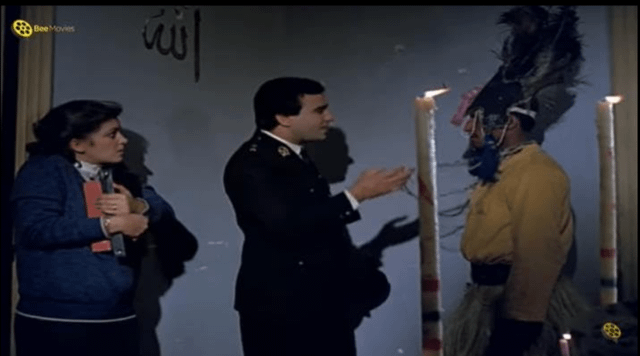
The ending of the film, as seen by audiences, features religious symbols, the Quran, and mosques, but this was not the true ending; the producer altered it to avoid controversy, and what the real ending entailed remains unknown, leaving an unsettling void where the story’s original conclusion should have been, while the fate of the director, Mohamed Shebl محمد شبل, only deepens the sense of horror, as he died mysteriously not long after completing the film, fueling rumors that the movie itself, or the forces it depicted and perhaps even invoked, were responsible for his death !
by ismaeil-de-paynes
2 Comments
Link of the full movie :
[https://www.youtube.com/watch?v=BoBCW86imOQ](https://www.youtube.com/watch?v=BoBCW86imOQ)
[https://letterboxd.com/film/the-talisman-1987/](https://letterboxd.com/film/the-talisman-1987/)