

The “Wall Street” of the 15th Century: Inside the Aztec Marketplace where Inflation meant literally “Drinking your Wallet.
by Prestigious_Mine_321
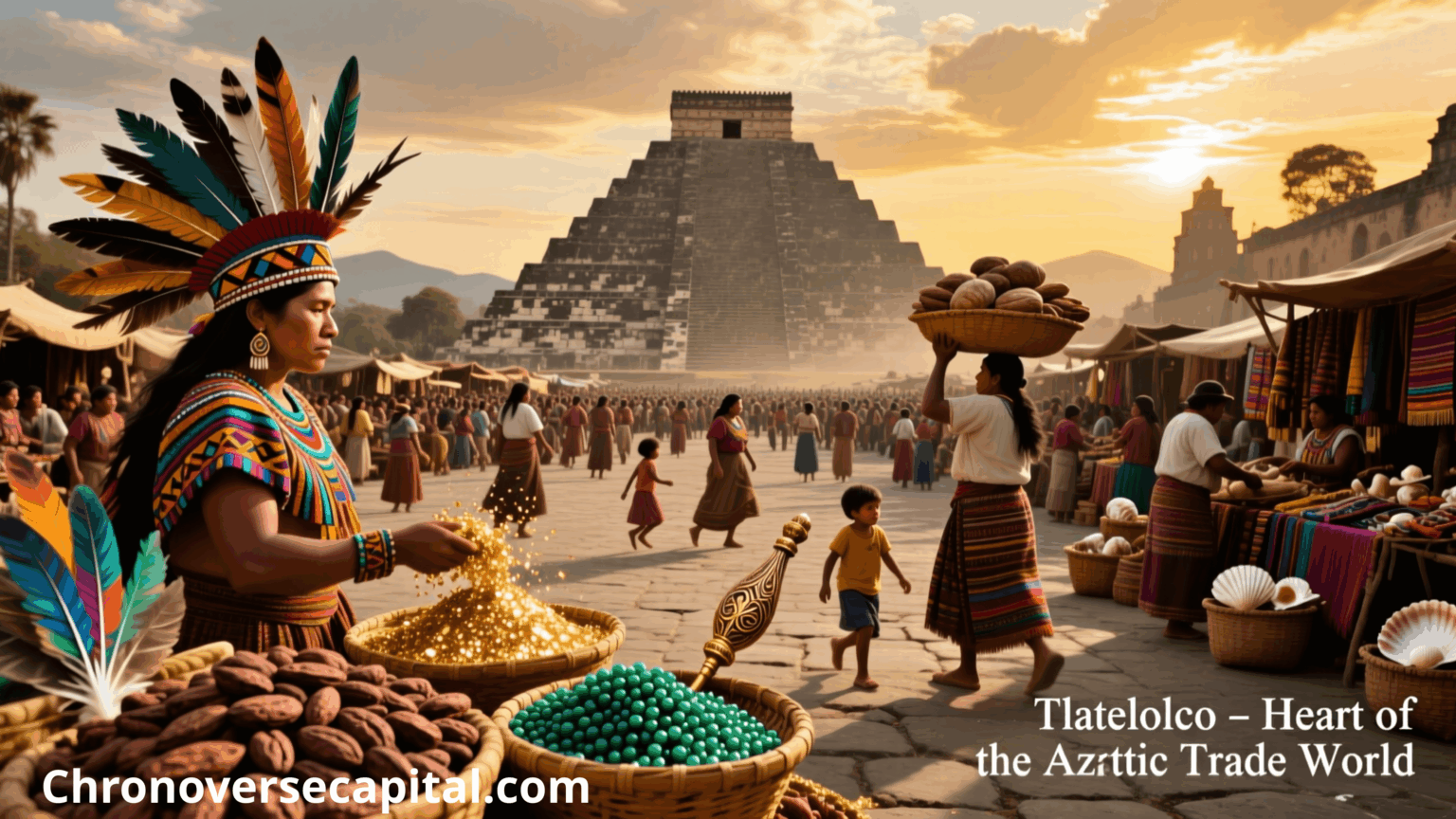
The “Wall Street” of the 15th Century: Inside the Aztec Marketplace where Inflation meant literally “Drinking your Wallet.
by Prestigious_Mine_321
1 Comment
We often think of ancient economies as simple barter systems, but the Aztec market at Tlatelolco (pictured in this visualization) was a sophisticated financial hub visited by 60,000 people daily.
Instead of gold coins, they used Cacao Beans as the reserve currency. It was the original “Fiat Money,” but with a delicious twist.
The Exchange Rate:
1 Turkey egg = 3 Cacao beans
1 Rabbit = 30 beans
1 Slave = ~300-400 beans
The “Counterfeiting” Problem:
Just like modern scammers, bad actors in the market would peel open cacao husks, empty the valuable bean, and fill it with dirt or clay to pass it off as money. Market judges sat in the center of the plaza to resolve these disputes instantly.
The Inflation Hack:
If you had too much money (beans) and feared the market value was dropping… you could just grind it up, mix it with hot water, and drink your wealth.
It makes you wonder: How different would our modern economy be if our currency had an expiration date?