
Monaco at night has two personalities: the glamorous glow everyone expects… and the version you meet when you try astrophotography there—moving light beams, reflections off the water/buildings, and gradients that don’t show up until you actually stretch real data.
I ran a travel session on the Rosette Nebula (Caldwell 49) and it honestly felt like a street race: tight margins and small delays that mattered. The most “Monaco” moment was polar alignment getting disrupted by sweeping club light beams, which cost me roughly 30 minutes of potential integration time.
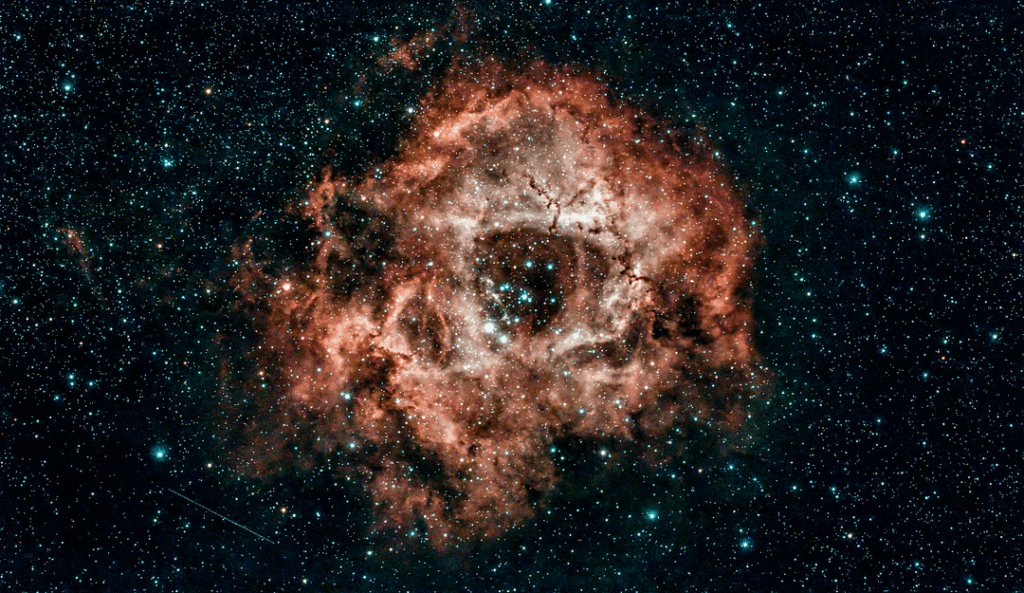
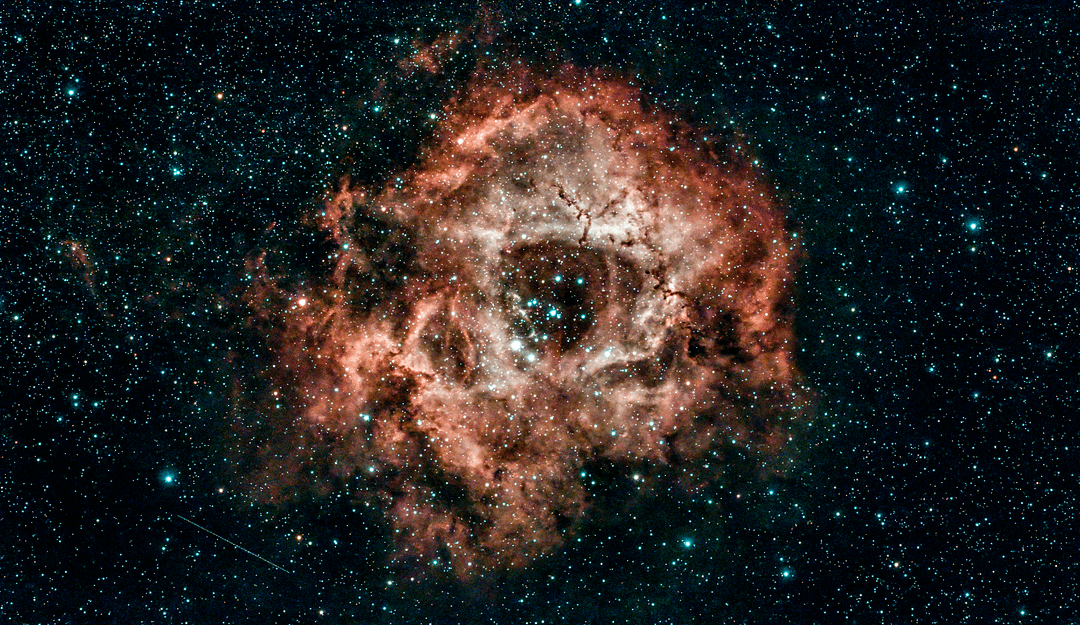
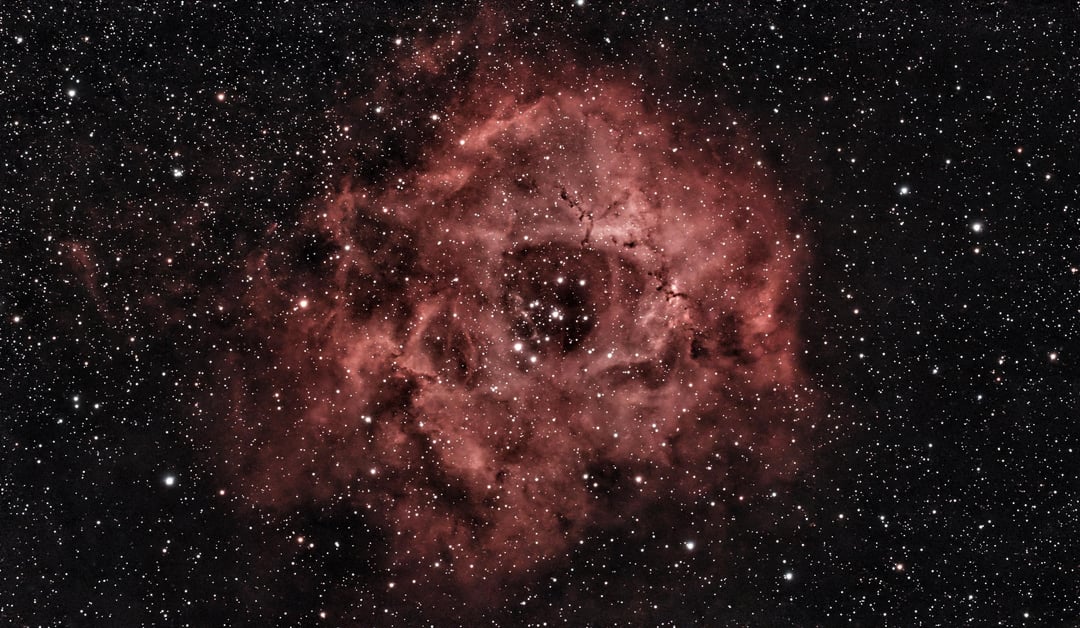
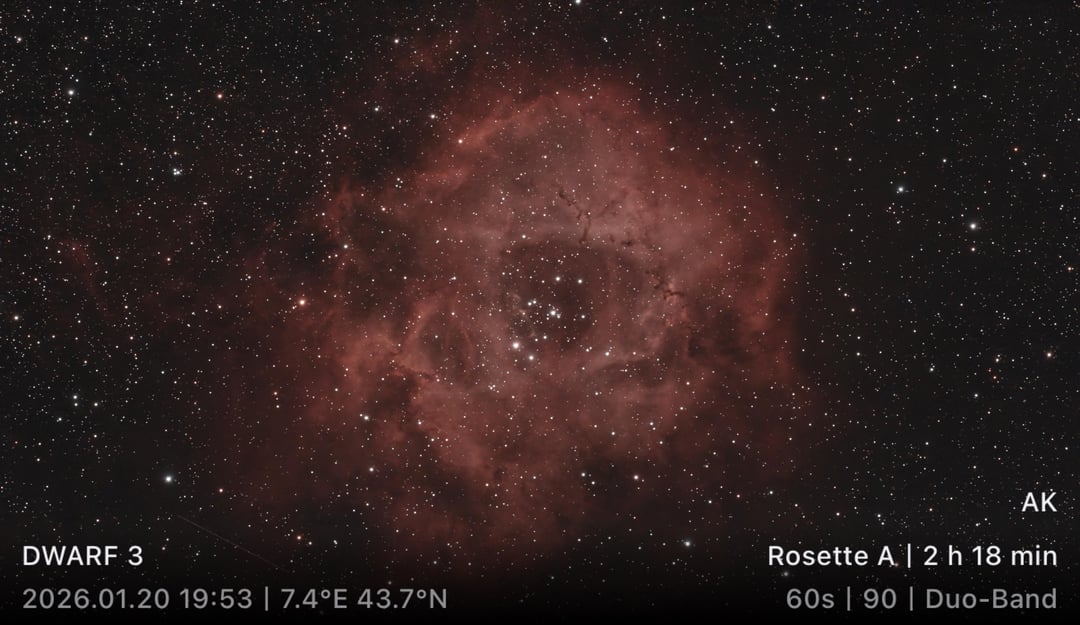
Even with that, I still ended up with a solid dataset and I posted two edits side-by-side: an intentionally punchy “over the limit” version and a more restrained final that I prefer.
Full story + images here:
https://dwarfastro.blogspot.com/2026/01/rosette-nebula-monaco-dwarf-3.html
I used a compact smart telescope (DWARF 3) in EQ mode with a dual-band/duo-band filter and ran:
- 210 × 60s subs at gain 90
- 141 stacked → 2h 21m total integration
- 30 darks (~77°F)
- Started with the device’s mega-stack + Stellar Studio auto clean-up, then finished in Snapseed
For anyone who shoots while traveling (especially urban/coastal locations):
- What’s your go-to approach for gradients without making the background look over-processed?
- Do you generally prefer a punchier presentation or a more natural finish for emission nebulae?
Clear skies!
by AstroFanM31
1 Comment
Very cool👍