
Hi r/AncientEgypt,
I've been exploring a theory that the impressive precision and finish on predynastic and early dynastic hard-stone vases (granite, diorite etc.) might come from temporary access to high-quality imported corundum abrasive (Mohs 9, possibly sapphire-bearing from Punt or further trade networks) in elite workshops.
This would allow faster, more uniform material removal than quartz sand alone – perhaps with basic rotary tumbling + hand finishing.
A key clue strengthening this: SEM-EDS analyses on some vases show titanium and iron traces in grooves/tool marks – exactly the inclusions (ilmenite FeTiO₃, rutile TiO₂) common in natural sapphire corundum that give it blue color. This would also explain why we see quartz grains cut through on some statues which is not possible using only quartz sand as abrasive.
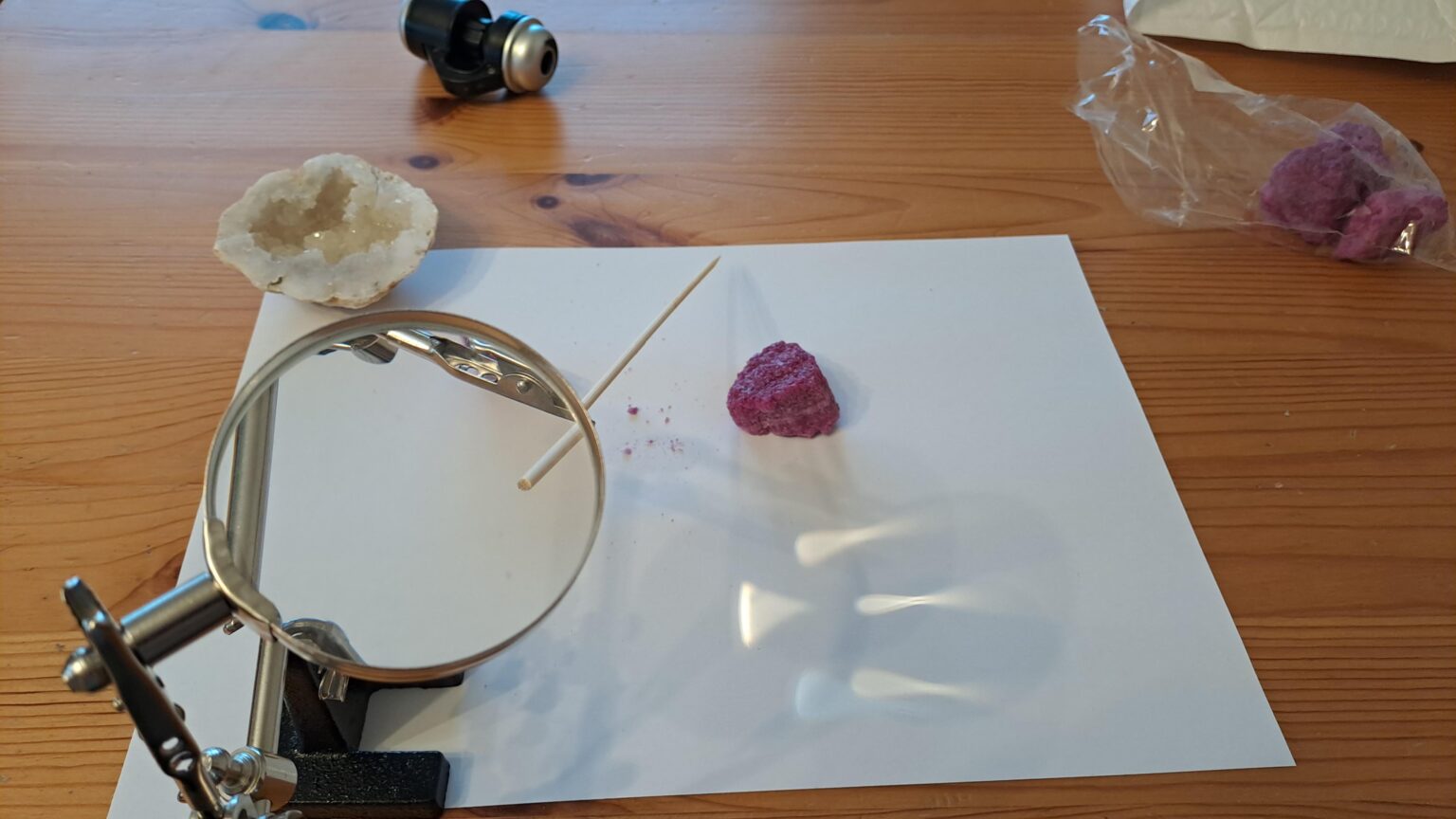
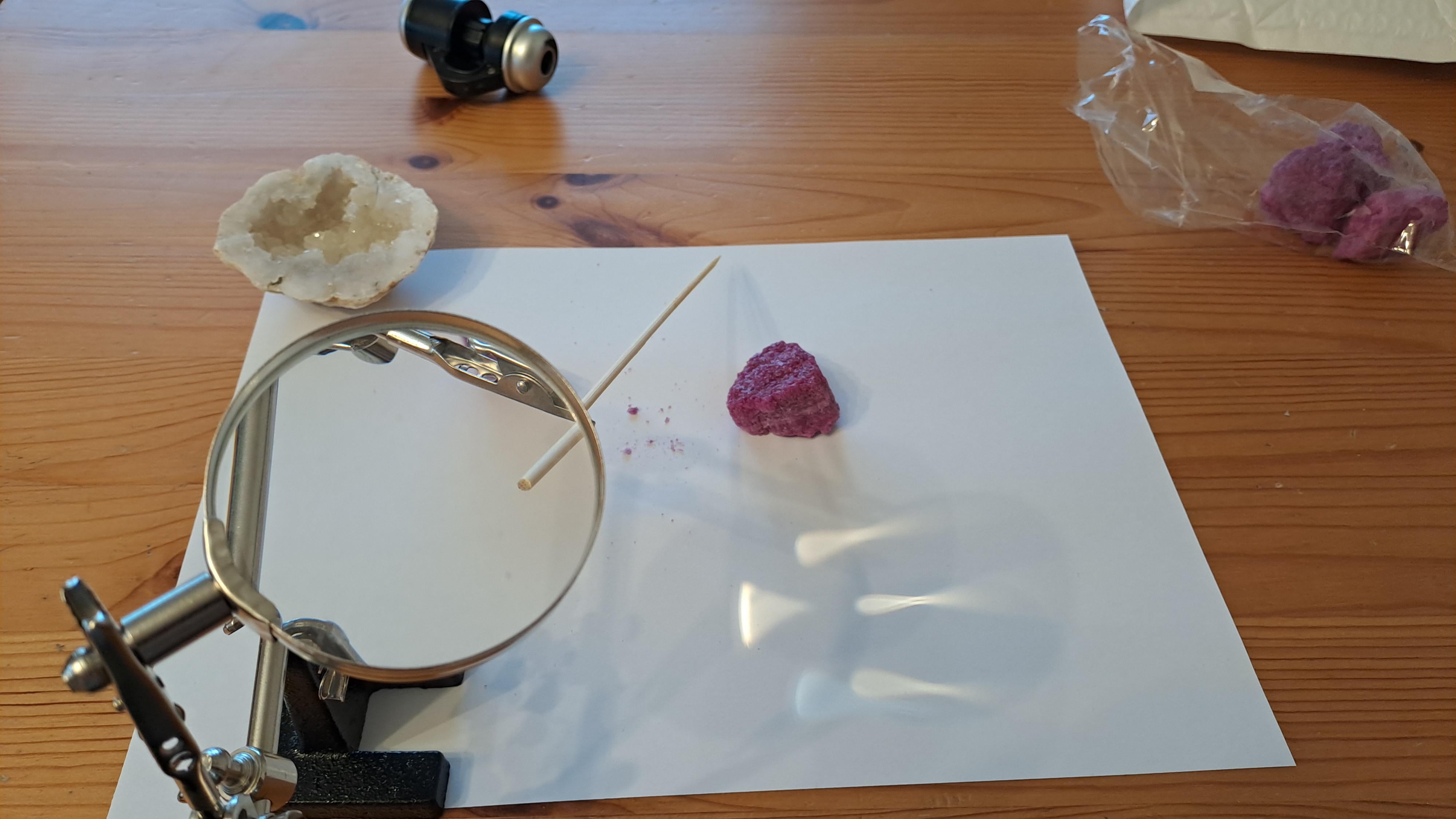
On my yt channel I've tested this through hands-on experiments with natural ruby/sapphire corundum:
- Titanium/iron in vase grooves + why it fits corundum inclusions (not titanium tools): https://youtu.be/xiOFL1grJ_8
- Making ancient-style corundum abrasive paste and testing on hard stones: https://youtu.be/jNGhUhJZzC0
- Experimenting with corundum powder for polishing granite/diorite + overview of vase precision: https://youtu.be/rd1lIzdXYJY
- Breaking quartz vs corundum hardness comparison: https://youtu.be/jP6xRJDp1Ns
- Latest: Building a simple human-powered tumbler and dry-testing with ruby corundum grit on granite: https://youtu.be/3bAPuCTwurQ
The idea: corundum supply (with natural Ti/Fe) was limited to early periods via trade – when it stopped, precision dropped.
What do you think – plausible based on known abrasives, trade (Punt, Hafafit), and SEM data? Or does local quartz + skill fully explain it? Or maybe not enough, more advanced tools required?
Open to sources, critiques, and discussion – thanks!
by maxi_res
1 Comment
Also, the drilling with corundum abrasive and copper pipe is not faster than quartz sand abrasive. I’ve tested it, and it looks like it is the same speed. Just more smooth surface of the core.