

Michele Bannister, an astronomer at the University of Canterbury in Christchurch, New Zealand, said the object presents a ‘once in a lifetime opportunity’ for the scientific community
13:17, 01 Jan 2026Updated 13:18, 01 Jan 2026
 It could be older than the solar system(Image: Getty Images)
The interstellar comet 3I/ATLAS could be much older than our solar system, a scientist claims.
Michele Bannister, an astronomer who is based at the University of Canterbury (UC) in Christchurch, New Zealand, said that the object could be up to 14 billion years old. She is leading a team of scientists studying it and said the object presents a “once in a lifetime opportunity” for researchers.
The associate professor told Astrobiology: “Our team has discovered that 3I/ATLAS is between eight and 14 billion years old, much older than our entire solar system, which has existed for 4.6 billion years.
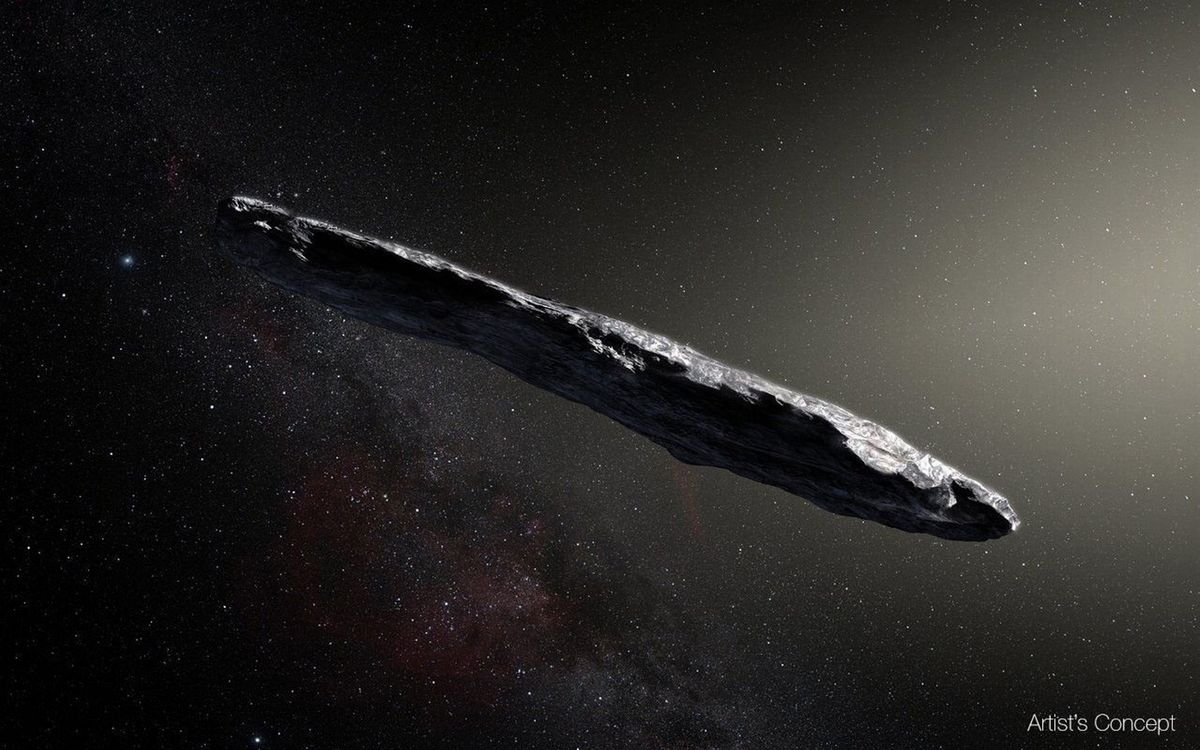 The object has sparked intense debate(Image: NASA / SWNS)
“The UC team, in partnership with Professor Chris Lintott at the University of Oxford, was the first to provide the theoretical study that showed how old the comet was based on its velocity, just days after it was first identified.”
She added: “The chemistry of 3I/ATLAS is distinctive relative to our solar system comets, which is one of the things that will tell us what its home environment was like. We saw unusually rich atomic nickel and iron emission as it entered our skies and we’ll be continuing to observe it throughout January.
“That’s the great joy of interstellar objects, they’re giving us clues, because they’re made up of the building blocks of planet formation elsewhere in the galaxy. They’re telling us about a star that’s so ancient it might not even exist anymore. This comet is a calling card from the past, and we only have a few hundred days to try and interpret what it’s telling us.”
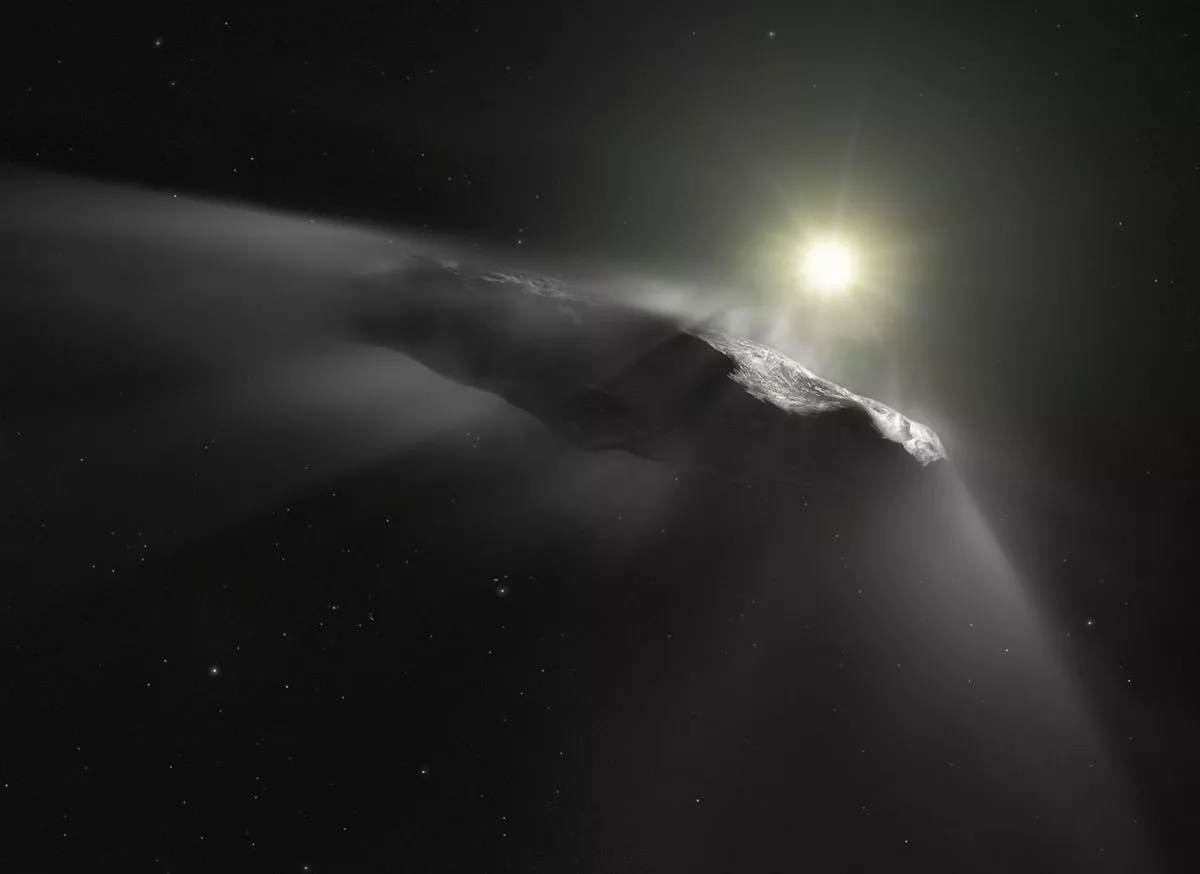 Scientists are studying it(Image: ESA/Hubble/NASA/ESO/M.Kornmesser / SWNS)
The comet has been the source of much scientific debate in recent months. Avi Loeb, a Harvard professor, insists that it could actually be an ‘alien spaceship’.
He recently argued that its ‘anti-tail’ should not contain “streaming gas beyond a distance of 5,000 kilometres from the nucleus”. The scientist said that the content of the ‘anti-tail’ can be tested by a molecular tracer which should help us to understand if it is a comet.
He has also argued it could be an artificial alien probe on a reconnaissance mission due to its unusual glow and non-natural path. The scientist said in a recent blog post that new images taken by the Hubble Space Telescope reveal a double jet structure, with the more prominent one being an anti-tail directed towards the Sun.
For the latest breaking news and stories from across the globe from the Daily Star, sign up for our newsletters.