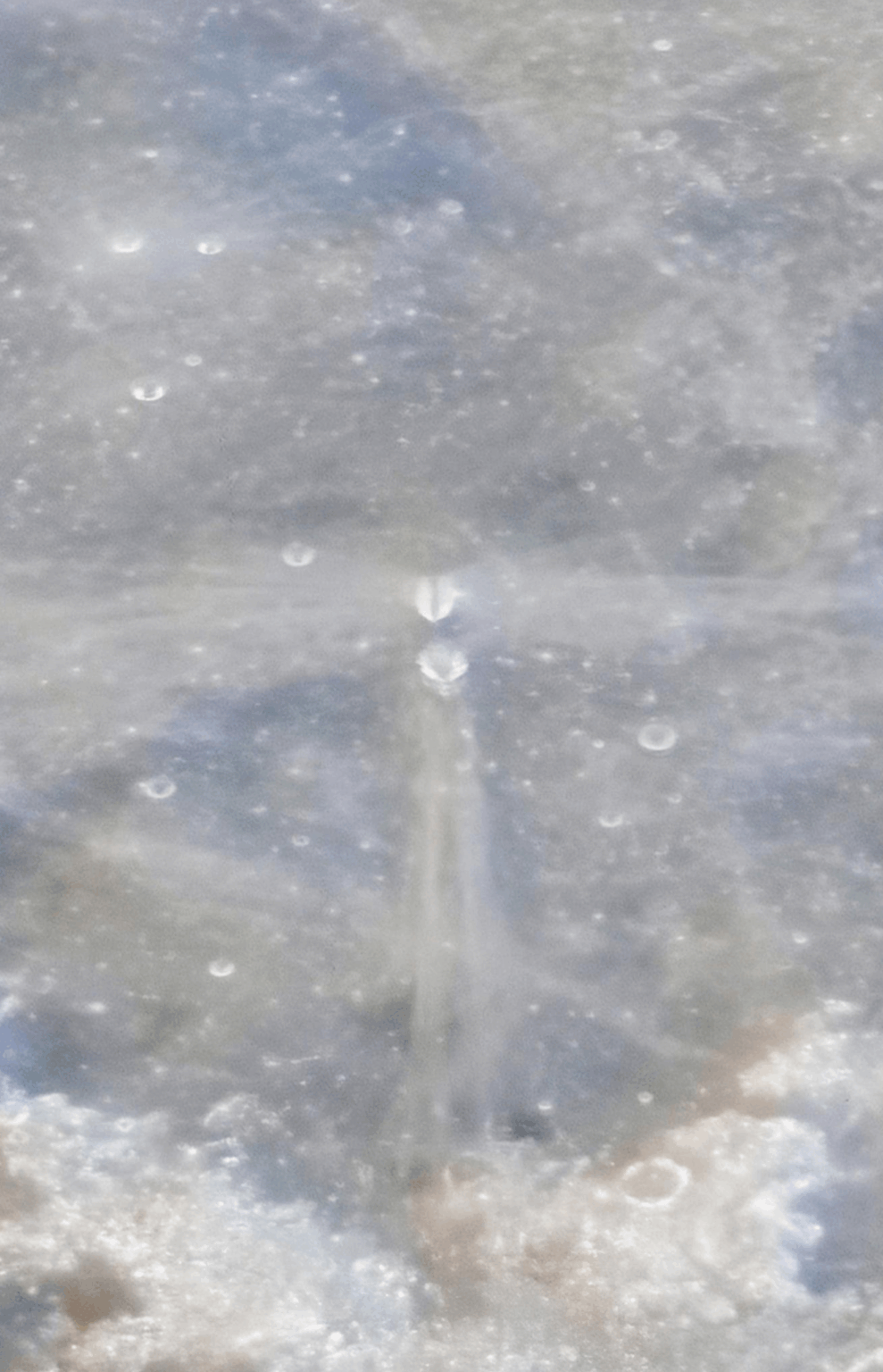
I’ve been checking out the Andrew McCarthy moon photo and I’m wondering what caused these marks. The verticle and horizontal lines and the strange ‘non’ craters
I’ve been checking out the Andrew McCarthy moon photo and I’m wondering what caused these marks. The verticle and horizontal lines and the strange ‘non’ craters
Because the Moon has no significant atmosphere, impacts can occur at essentially any angle to the surface. That can produce some very asymmetric and complicated ejecta patterns.
My limited understating: The straight ejecta spray (lower crater) comes from an impact at 5-15 degrees. The ‘butterfly’ or two-lobed spray (upper) is from an impact at a very shallow angle of less that 5 degrees. There’s probably a lot more to this that I don’t know and that’s probably an over-simplification. But .. in broad, simple and general terms …
Sorry_Negotiation360 on
Are you talking about the Ejecta rays? because those are caused by material being “launched” due to the intense shockwave.


2 Comments
Because the Moon has no significant atmosphere, impacts can occur at essentially any angle to the surface. That can produce some very asymmetric and complicated ejecta patterns.
There’s been some work to try to model, study and understand these types of impacts and if you run [this Google search](https://www.google.com/search?q=ejecta+patterns+of+oblique+impacts+moon+craters) the first 10 or so hits are academic papers (or at least their abstracts) related to this.
My limited understating: The straight ejecta spray (lower crater) comes from an impact at 5-15 degrees. The ‘butterfly’ or two-lobed spray (upper) is from an impact at a very shallow angle of less that 5 degrees. There’s probably a lot more to this that I don’t know and that’s probably an over-simplification. But .. in broad, simple and general terms …
Are you talking about the Ejecta rays? because those are caused by material being “launched” due to the intense shockwave.