
The account, published Tuesday by CNN, was given by the F-15 pilot to intelligence officials during a debriefing after the incident. It immediately sparked a heated debate within the U.S. intelligence community, and no consensus has yet been reached. If the pilot did see what he described — a formation of drones moving in full coordination as a single body — it would mark a troubling leap in Iran’s drone capabilities.
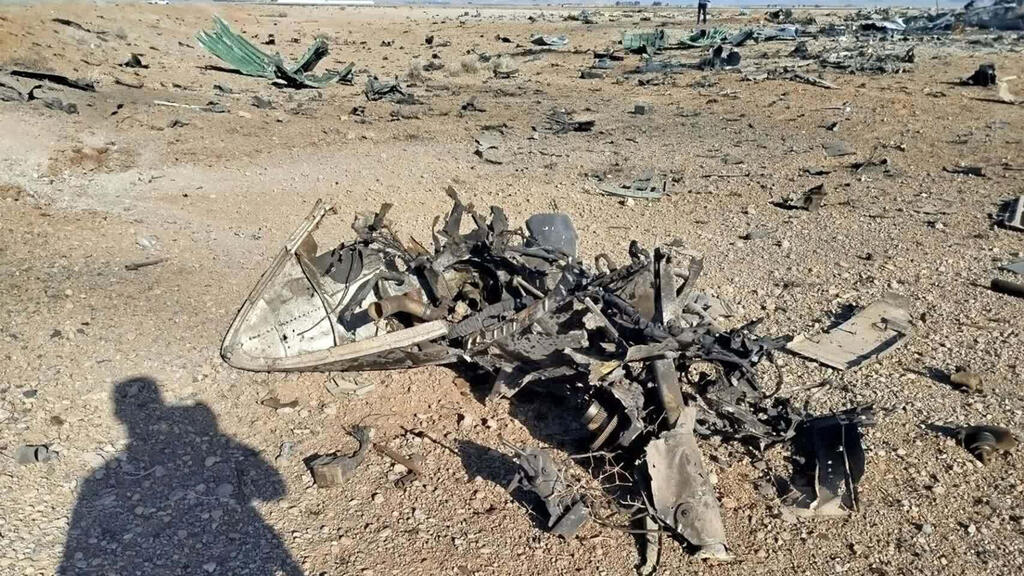
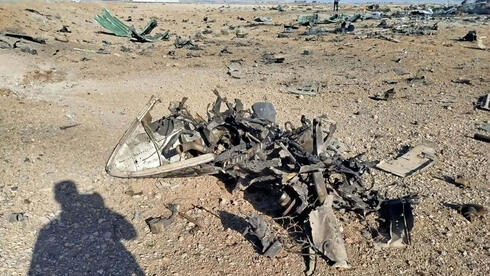
Wreckage of a US aircraft in Iran
(Photo: AFP PHOTO / IRAN’S REVOLUTIONARY GUARD VIA SEPAH NEWS)
One source described to CNN what the pilot had reported: “Multiple drones interconnected and moving as one with smaller drones below the bigger drones like legs. Real alien sh*t.” Another source told the U.S. network that the pilot described seeing “a minefield of drones” in the air.
The precise reason the F-15 was downed is still under investigation, but according to two of the sources, initial reports raised the possibility that the drone formation somehow helped Iran bring down the American aircraft. The F-15 — the first U.S. fighter jet shot down over Iran during the war — had two crew members aboard, a pilot and a weapons systems officer. The pilot was rescued hours after ejecting, while the weapons systems officer managed to evade capture by the Iranians in the mountains for more than a day before he too was rescued. It is unclear whether he also saw the drone formation.
U.S. intelligence officials were divided over how to interpret the F-15 pilot’s account and whether he was capable of providing an accurate description of the incident. For one, he suffered a concussion in the crash. It was also the second time he had been shot down during the war with Iran. Two sources said he had previously been among the pilots hit in a friendly-fire incident involving Kuwaiti forces early in the war.
CNN raised several questions that remain unanswered: Did he witness an advanced operational capability previously unknown to U.S. intelligence? An early-stage experiment? Or perhaps an illusion created in the desert? According to one source, the intelligence personnel who debriefed him essentially asked: “Are you sure you saw what you are saying you saw?”
Although the specific capability described by the pilot is not one U.S. intelligence agencies had previously assessed Iran possessed, there have been reports indicating that Iran received assistance from China and Russia in developing its drone technologies. The technical term for the capability the pilot described is “one-to-many meshed networking,” which allows an operator to control several drones at the same time. Russia and China are believed to possess such a capability.