
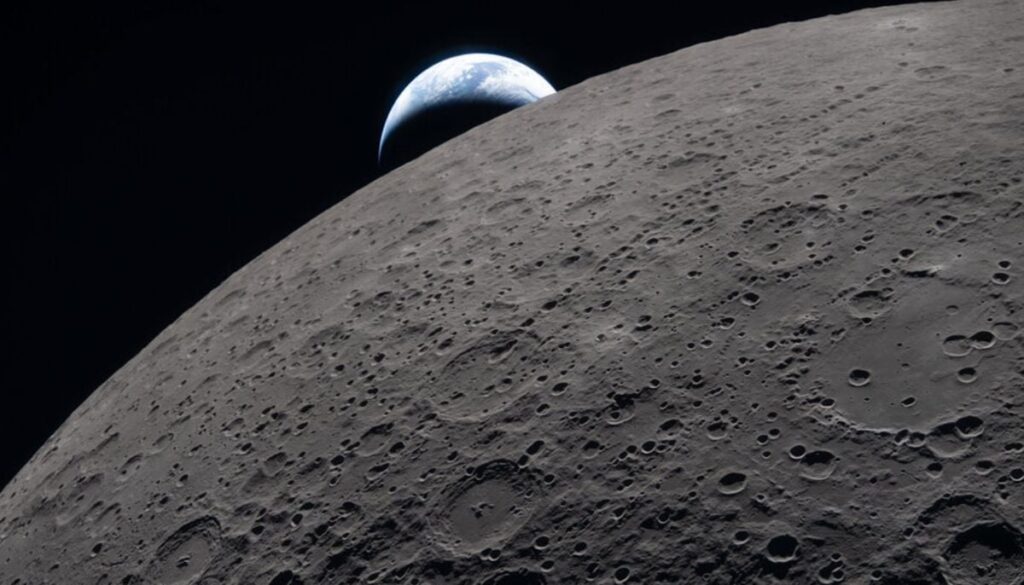
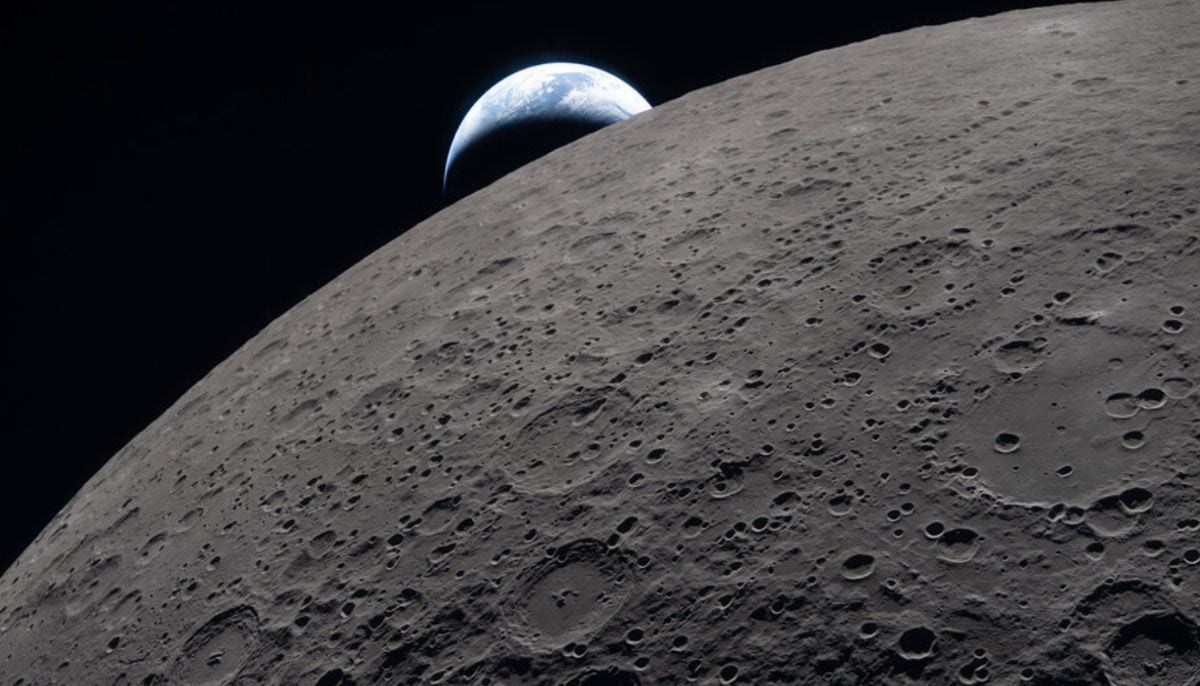
 NASA’s Artemis moon missions face potential risk from meteor storms: Here’s why
Meteor showers are considered one of the breathtaking phenomena to brighten Earth’s sky, but could the fast-moving space rocks that accompany major events threaten future Artemis moon missions? NASA estimates that approximately 48.5 tons of space debris falls into Earth’s atmosphere each day.
It has been observed that these fragments vary in size from tiny micrometeoroids to larger particles that create incredible shooting stars and fireballs.
According to NASA, naturally occurring micrometeoroids travel at staggering average speeds of 22,000 mph.
Due to their immense speed, microscopic fragments can deliver a devastating impact upon hitting a lunar spacecraft.
Primarily, a single impact could penetrate heat-resistant tiles on NASA’s Orion capsule, leaving the astronauts vulnerable to burning up during their high-speed return through Earth’s atmosphere.
“Orion spacecraft material selection and thicknesses have been optimized for [micrometeoroid and orbital debris] (MMOD) protection and risk balancing,” said Mike Heckwolf.
NASA and its partners continuously monitor the micrometeoroid environment before and during flights. Most importantly, standard space debris is constantly tracked, high-severity events like meteor storms pose a significant threat to alter mission parameters.
At present, NASA’s guidelines mandate delaying the mission launch or ordering crew members to remain protected inside the spacecraft. Scientists have the ability to predict volatile meteor storms and outbursts many years in advance.
The first crewed lunar landing since Apollo is slated for early 2028. Because meteor outbursts can be mapped out anytime, so potential alignment between a major outburst and the launch window could result in safety delays.
NASA uses dynamic defensive positioning for permanent flagships operating in space that cannot move out of the way such as the Hubble and James Webb Space Telescopes. In addition, operators physically point the primary mirrors away from the radiant to protect vulnerable optics from high-velocity impacts.