
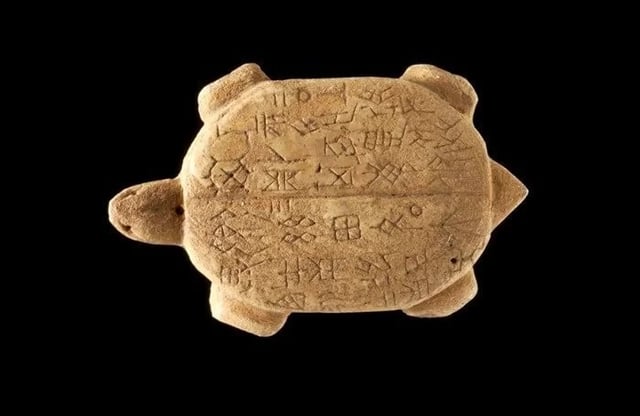
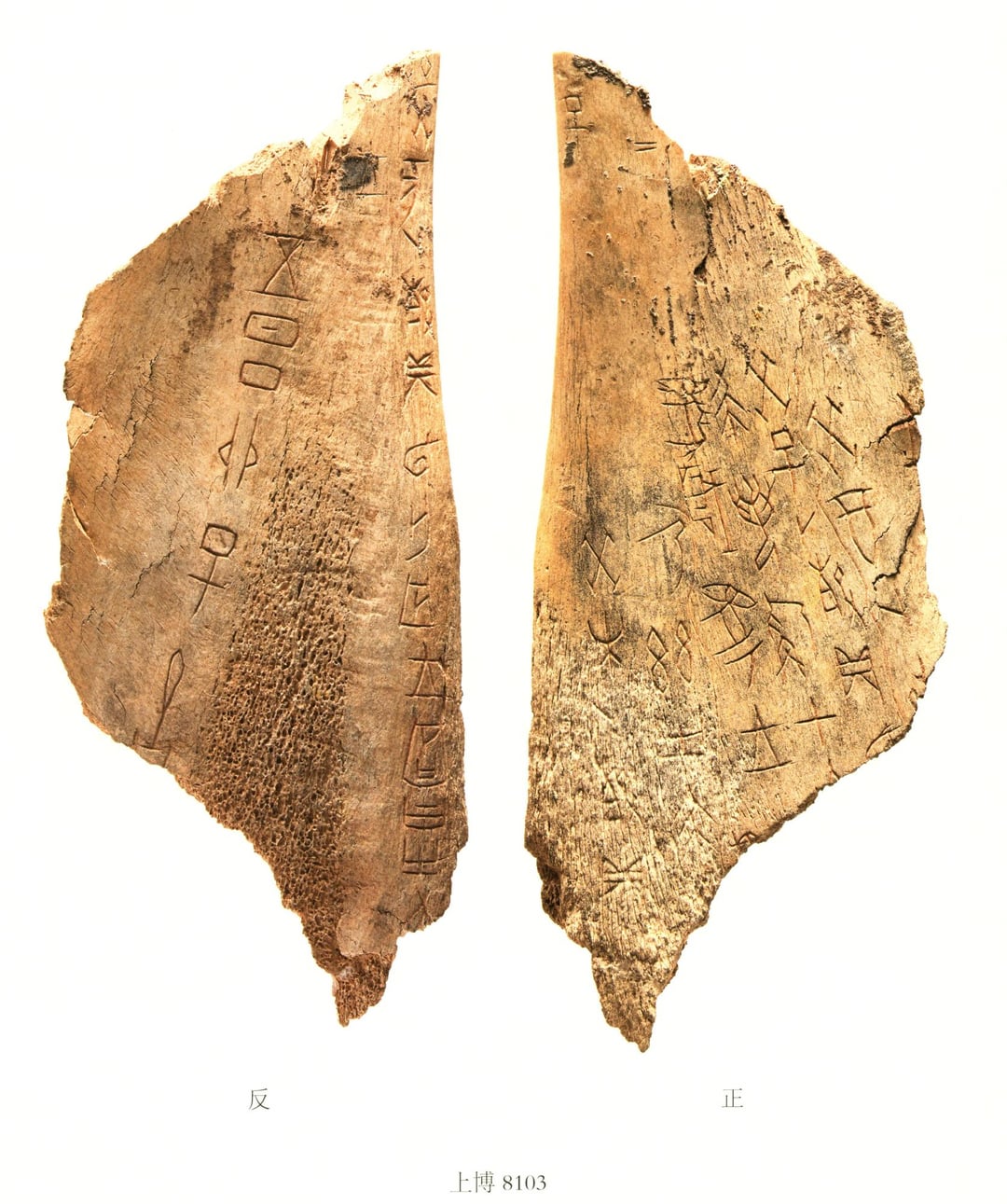
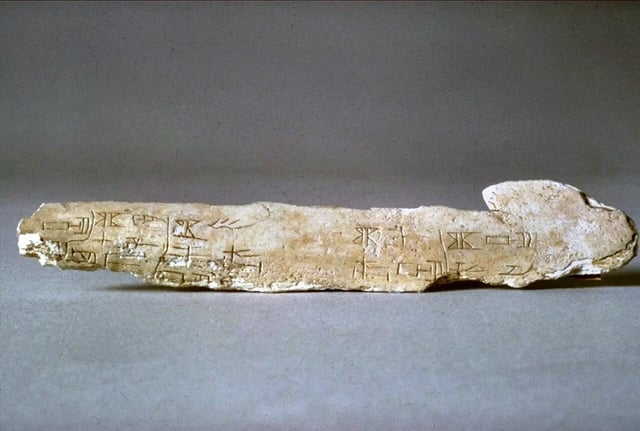
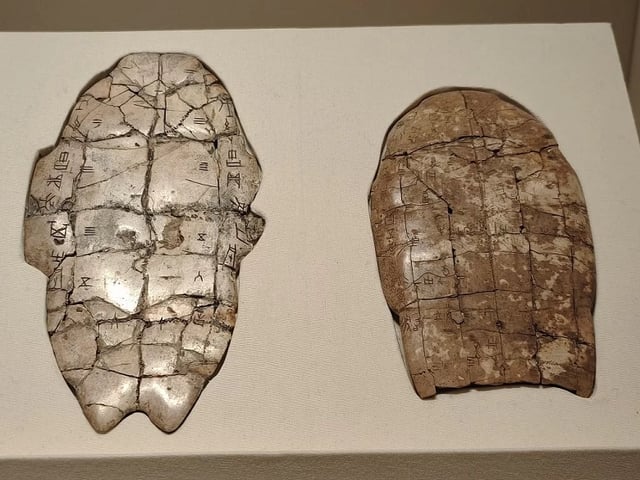
Long before paper, the kings of the Shang Dynasty (c. 1600–1046 BC) used a haunting method to speak with spirits: they used bones. Specifically, ox shoulder blades and turtle shells. This wasn't just fortune-telling; it was Jiaguwen, the oldest writing system in East Asia and the direct ancestor of modern Chinese characters.
The ritual was intense. Shaman priests would drill holes into dry bones and state a question to the ancestors—ranging from upcoming wars to the meanings of royal nightmares. To get the answer, they pressed a glowing-hot metal rod into the holes. The intense heat caused the bone to snap with sharp cracks. The spirits' answers were believed to be written within the shapes of these fractures. Scribes then carved the question and the final outcome directly onto the bone, creating an indestructible skeletal library.
Over 45,000 of these bones have been found, but a recent study in Science Advances revealed something terrifying. Toward the end of the dynasty, the questions drastically shifted. The bones became flooded with desperate anxieties about sudden, violent typhoons and catastrophic floods. In fact, the ancient character for "disaster" was carved onto the bones as jagged, angry waves.
The science now confirms that a deadly surge in ancient typhoon activity pushed deep into mainland China, triggering massive floods and population drops that ultimately destroyed the empire. Unlike Egyptian hieroglyphs or Babylonian cuneiform, which died out, this Oracle Bone script evolved directly into modern Chinese. It is the only ancient writing system that never truly died.
What do you think? Did other ancient cultures use such intense, organic mediums for divination before standard writing?
Sources:
by bortakci34
1 Comment
They did what to the skeletons?