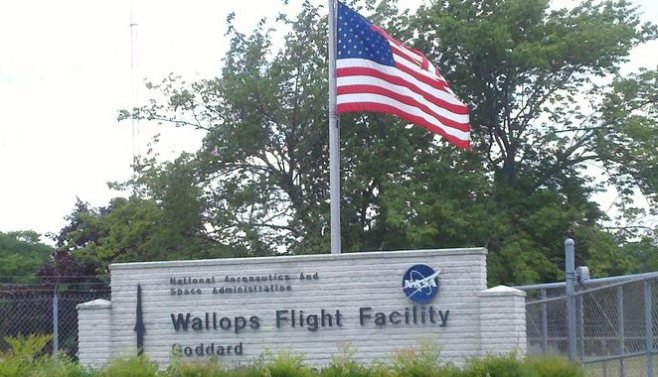
NASA officials have updated the public on major infrastructure projects and ongoing environmental concerns at the Wallops Flight Facility on Virginia’s Eastern Shore.
At a public meeting Wednesday night, representatives discussed PFAS contamination, shoreline restoration efforts, and construction of a new causeway bridge to Wallops Island.
NASA says PFAS chemicals, sometimes called “forever chemicals”, were first detected on Wallops Island in 2017 and traced to firefighting foam used during training exercises decades ago. Officials say they acted quickly by supplementing Chincoteague’s water supply and building a groundwater treatment plant that’s been operating since 2021.
A newly released federal health consultation found current PFAS levels meet EPA drinking water standards, though officials say monitoring and testing will continue. Concerns remain among local shellfish growers about possible long-term impacts on the seafood industry.

NASA also provided updates on its shoreline restoration program. Environmental planners are preparing for a fourth beach nourishment project designed to protect critical launch infrastructure from erosion and storm damage.
Previous replenishment efforts helped shield Wallops during Hurricane Sandy in 2012. The latest environmental assessment is expected to be finalized this fall, with construction targeted for early 2027.
Meanwhile, construction continues on a new causeway bridge to Wallops Island. The bridge, which broke ground last year, is designed to support heavier loads and last up to 100 years. Completion is expected in spring 2028.
NASA says the bridge and shoreline projects together represent roughly 200 million dollars in infrastructure investment at Wallops Flight Facility.