
In 2025, astronomers observed a rare solar flare that lasted for 19 days. Scientists have now analyzed data from several space missions to determine its nature.
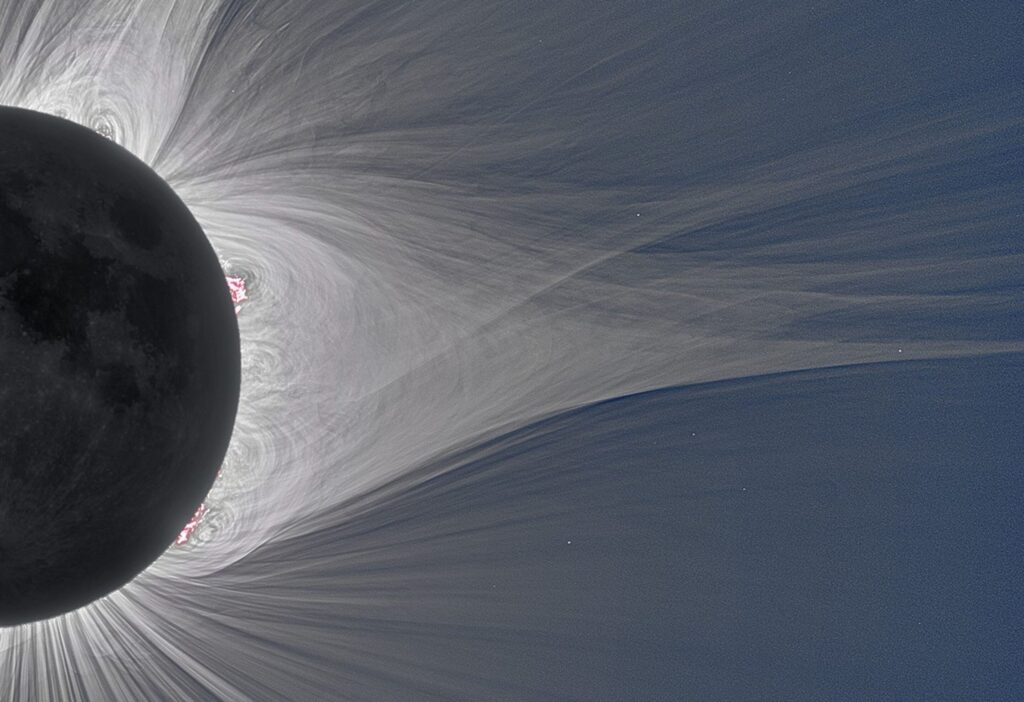
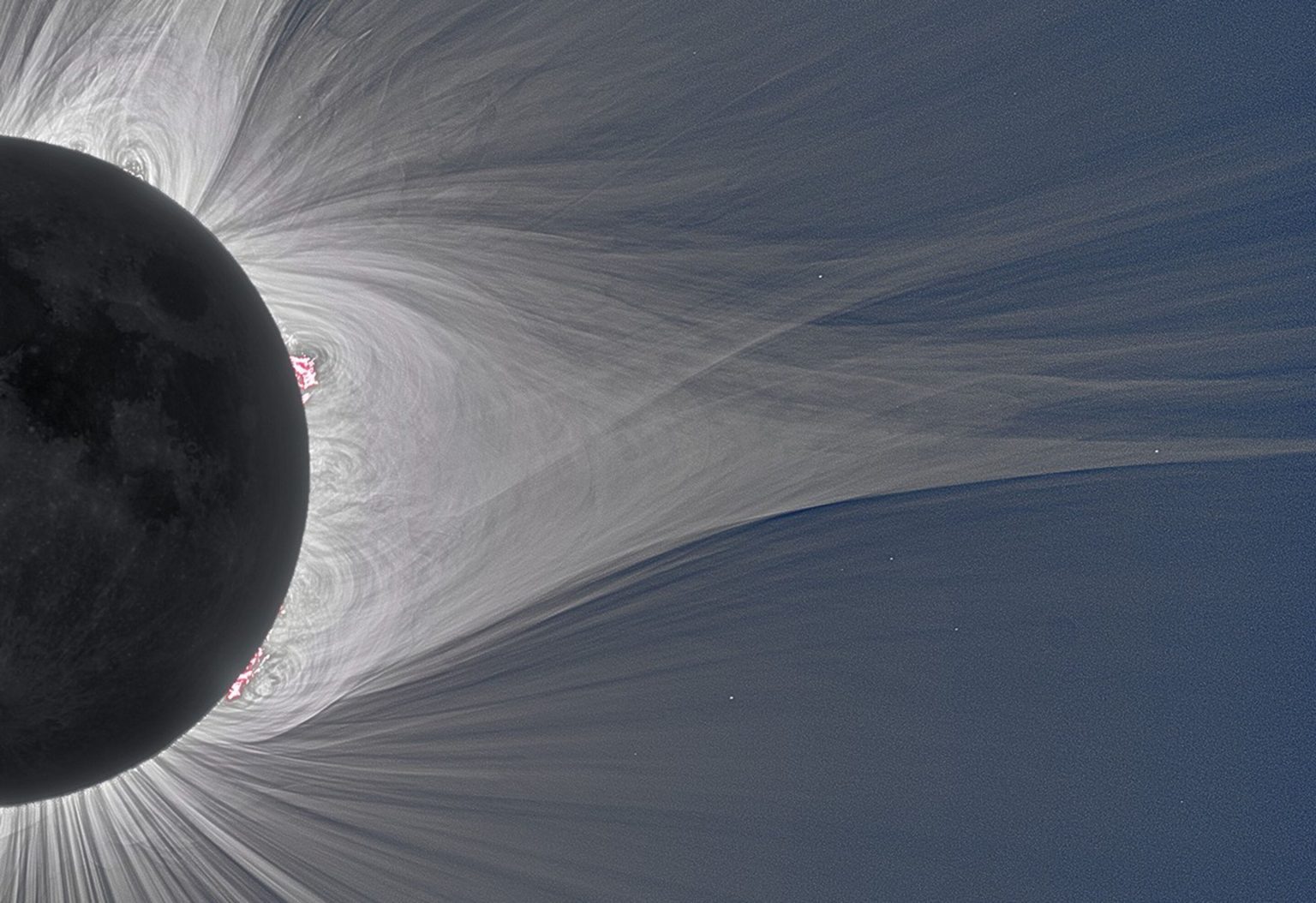 Solar flare. Source: phys.org
A rare solar flare
When NASA scientists first detected a radio burst on the Sun in August 2025, there was nothing unusual about it. But then the radio burst didn’t stop. Usually, such events last from a few hours to a few days. But this radio burst lasted 19 days—far exceeding scientists’ expectations and the previous record, which was just five days.
These radio bursts, known as Type IV bursts, originate in clusters of electrons held in place by the Sun’s magnetic fields. Although the radio waves are harmless, these magnetic environments can also trigger solar activity that emits dangerous particles toward Earth, which can interfere with the operation of satellites and spacecraft.
To analyze the event, researchers combined data from NASA’s STEREO (Solar Terrestrial Relations Observatory), Parker Solar Probe, and Wind missions, as well as from the European Space Agency (ESA) and NASA’s Solar Orbiter.
Detection of magnetic structures in the solar atmosphere
During the 19-day mission, each of the space stations observed the radio burst for several days. As the Sun rotated, the source of the burst gradually came into view of various spacecraft located in the inner Solar System.
Scientists have developed a new technique using data from STEREO to pinpoint the source of a radio burst—a large magnetic structure in the Sun’s atmosphere known as a helmet streamer. They believe that three explosive eruptions, known as coronal mass ejections, in the same region may have triggered this prolonged phenomenon.
These findings help scientists detect radio bursts more effectively and improve space weather forecasting.
According to phys.org