
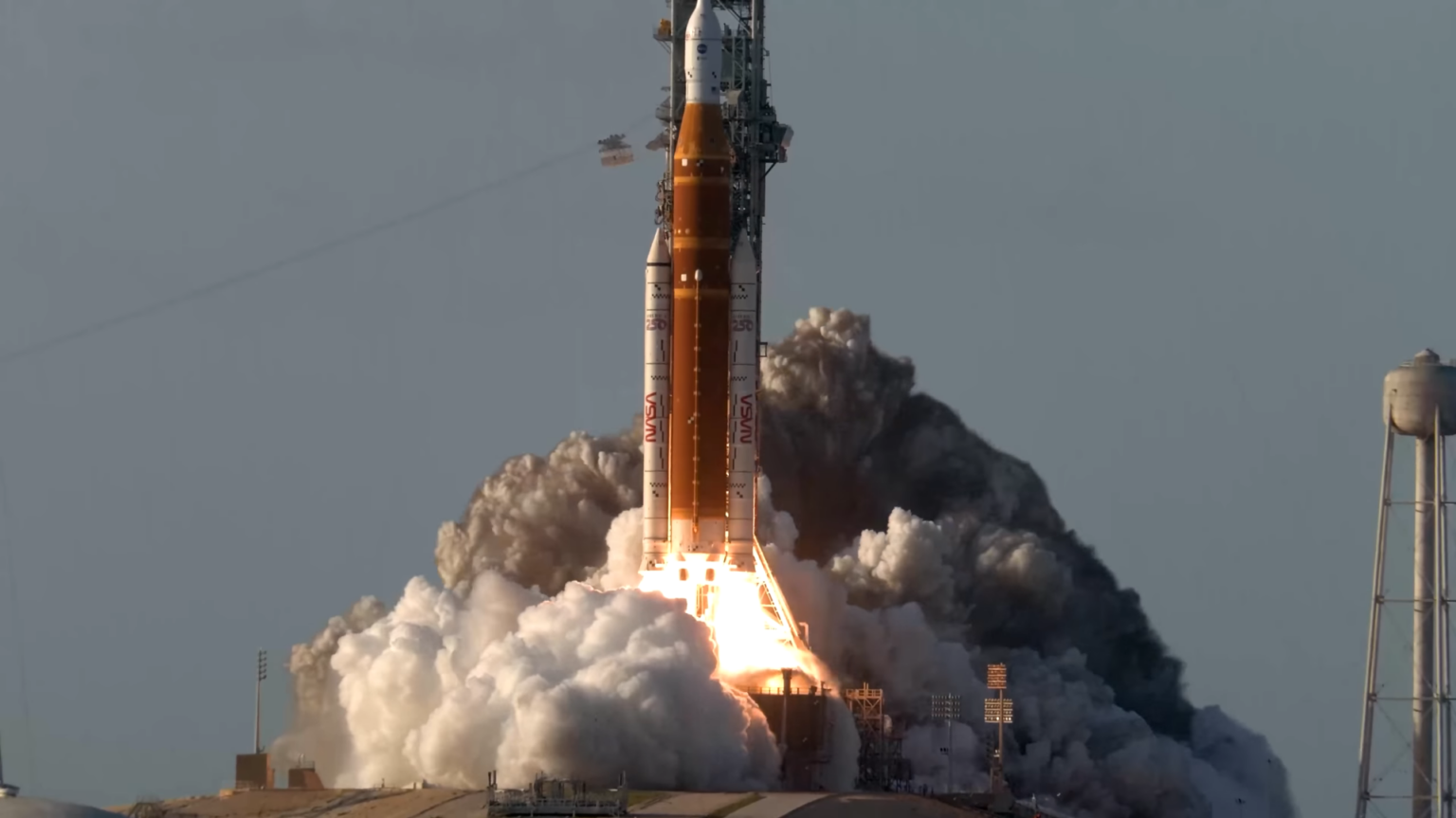
The Artemis program is becoming one of NASA’s most important efforts for future moon colonization and long-term moon exploration. Unlike earlier lunar missions focused mainly on short visits, Artemis is designed to help astronauts stay on the Moon longer while testing systems needed for future settlement. Through NASA’s lunar missions, scientists and engineers are studying how humans may eventually live and work beyond Earth.
NASA’s research under Artemis also focuses on building the foundation for deeper space exploration. The program combines advanced spacecraft, lunar surface systems, Gateway operations, and international cooperation to prepare for a more permanent human presence near the lunar south pole.
These missions may eventually help transform the Moon from a temporary destination into a long-term operational environment for science, exploration, and future habitation.
How Artemis Builds The Foundation For Moon Colonization
The Artemis program is structured as a long-term campaign instead of a single Moon landing mission. NASA’s lunar missions are gradually testing transportation systems, surface operations, and technologies needed for sustained moon exploration. These efforts are helping prepare for future moon colonization and long-duration human activity beyond Earth orbit.
Uncrewed and crewed testing: Artemis missions test Orion spacecraft systems, launch hardware, and crew operations before larger lunar surface missions begin.Long-term lunar presence: NASA plans to support longer stays near the lunar south pole instead of only brief surface visits.Gateway as a staging point: The Gateway station may serve as a support hub for lunar transfers, logistics, and future Moon operations.Lunar south pole focus: Scientists are targeting the south pole because of possible water ice and long-term scientific value.Technology demonstrations: Artemis missions test life support, robotics, mobility systems, and lunar surface tools.International collaboration: Multiple countries and private companies are contributing technology and mission support to Artemis.Preparation for Mars missions: NASA views Artemis as a learning platform for future deep space habitation and Mars exploration.Why NASA’s Lunar Missions Matter For Long-Term Settlement
NASA’s lunar missions are not only about reaching the Moon again but also about learning how humans can remain there longer. Sustained moon exploration requires reliable transport systems, life support, radiation protection, and surface mobility. Artemis is helping NASA study these challenges in ways earlier missions never attempted.
Moon research also allows scientists to study how equipment and astronauts perform in reduced gravity for extended periods. Engineers can test habitats, surface tools, and dust protection systems directly on the Moon instead of only in simulations.
The Moon’s closer distance to Earth also makes communication, supply delivery, and emergency support far more manageable than missions to Mars. Because of this, Artemis is becoming an important stepping stone for future lunar bases and deeper space exploration.
What Must Happen Before Moon Colonization Becomes Real
Moon colonization will require far more than successful astronaut landings. Long-term lunar settlement depends on stable habitats, reliable energy systems, food production, water extraction, and protection from radiation and harsh lunar conditions. Artemis missions are helping validate many of these systems while improving operational experience during moon exploration.
NASA’s research is especially focused on the lunar south pole because of the possibility of water ice deposits. If water can be extracted and processed for drinking, oxygen, or fuel production, future moon colonization becomes much more practical.
Artemis is also helping NASA understand how to gradually expand lunar activity from short visits into longer missions and eventually permanent infrastructure. This step-by-step process may become the foundation for humanity’s first lasting off-world settlement.
Artemis Could Turn Moon Exploration Into Permanent Presence
The Artemis program represents one of the clearest paths toward future moon colonization and long-term human activity beyond Earth.
Through repeated lunar missions, Gateway support systems, and ongoing Moon research, the program is building the experience needed for sustained lunar operations. Artemis is helping scientists and engineers test technologies that could eventually support habitats, resource extraction, and long-duration missions near the lunar south pole.
Future moon exploration under Artemis is also shaping how humanity may approach deeper space missions later on. The lessons learned from lunar operations could influence future Mars exploration, off-world construction, and deep space survival systems.
Rather than simply repeating Apollo-era missions, Artemis is focused on creating a long-term operational presence that may eventually make the Moon a permanent part of human exploration.
Frequently Asked Questions1. What is the main goal of the Artemis program?
The Artemis program is designed to return humans to the Moon and prepare for long-term lunar exploration. NASA also wants to test technologies needed for future moon colonization and Mars missions. Artemis focuses heavily on sustainable operations instead of short surface visits. The program also supports scientific research and international cooperation.
2. Why is the lunar south pole important?
The lunar south pole may contain water ice inside permanently shadowed regions. Water could potentially support drinking supplies, oxygen production, and future rocket fuel systems. The area also provides valuable scientific opportunities for NASA Moon research. Because of these advantages, the south pole is central to Artemis mission planning.
3. What is the Gateway in the Artemis program?
Gateway is a planned lunar space station that will orbit near the Moon. It is expected to support astronaut transfers, cargo operations, and future surface missions. The station may also help astronauts stay in lunar orbit for longer periods. Gateway is considered an important part of future moon colonization infrastructure.
4. Could people eventually live permanently on the Moon?
Permanent lunar living is still a long-term goal rather than an immediate reality. Scientists and engineers must solve challenges involving radiation, life support, food systems, and reliable habitats. Artemis missions are helping test the systems needed for future settlement. While difficult, long-term moon colonization is becoming more realistic as technology improves.