
Some of the best games ever made drop players into worlds that actively want them dead. Not through cheap tricks or unfair difficulty spikes, but through environments so hostile and carefully designed that survival itself becomes the core experience. Whether it’s radiation, starvation, alien predators, or a sun that’s about to explode, these worlds don’t care about the player’s comfort.
Ordered from “punishing but manageable” through “actively hostile” to “existentially devastating,” these ten video game worlds punish every mistake and make survival itself feel like an achievement. Each one turns its environment into a threat that’s just as dangerous as any boss fight or enemy encounter — and in most cases, far more memorable.
Don’t Starve’s The Constant Wants Players Dead Before Dawn
Don’t Starve key art from Klei EntertainmentImage via Klei Entertainment
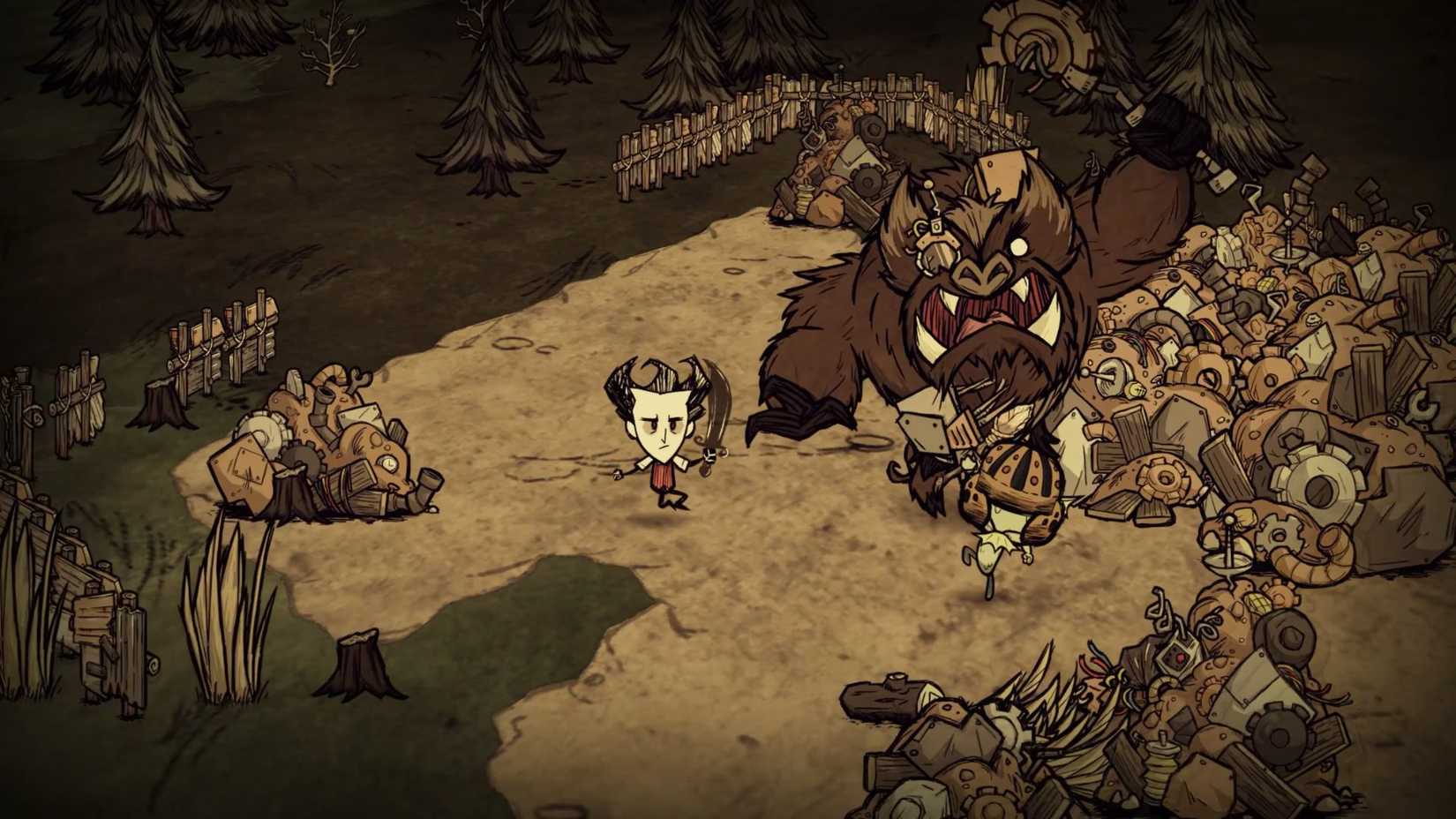
The Constant, the procedurally generated wilderness in Klei Entertainment’s indie darling Don’t Starve Together, operates on a simple premise: darkness kills. When night falls and there’s no light source, something in the dark attacks. There’s no fighting it. Players who forget to build a fire simply die. Beyond the darkness, the game layers on hunger, sanity, and seasonal threats — winter brings freezing temperatures, summer brings spontaneous combustion, and the Tim Burton-inspired art style makes every threat feel like a twisted nursery rhyme.
What makes Don’t Starve’s survival feel distinct is their “sanity” mechanic. As the player’s mental state deteriorates from eating raw food or staying in the dark, shadow monsters begin appearing, hallucinations that eventually become real enough to deal damage. The mechanic turns the player’s psychological state into a resource to manage alongside food and health.
CBR Exclusive · Nintendo Trivia
THE ULTIMATE
NINTENDO
TRIVIA QUIZ
10 Questions · All Franchises 🕹️
From the Mushroom Kingdom to Hyrule, from Pokeémon gyms to Metroid planets — think you know your Nintendo lore? Ten questions across the full Nintendo universe are standing between you and legendary status. No power-ups. No continues. Let’s go. 🌟
PRESS START ▶
01
How many Power Stars are needed to unlock the final battle with Bowser in Super Mario 64?
Think before you leap off that castle roof. 🏰
A70
B80
C100
D120
✅ Correct! You only need 70 Stars to face Bowser — though the full game has 120.
❌ Not quite! You need 70 Stars to unlock the final Bowser battle in Super Mario 64.
NEXT ▶
02
What is the name of the fairy companion who assists Link throughout Ocarina of Time?
Hey! Listen carefully. 🧚
ATatl
BNavi
CFi
DCiela
✅ Correct! Navi is Link’s iconic — if very loud — fairy guide throughout Ocarina of Time.
❌ Not quite! The correct answer is Navi. Tatl is from Majora’s Mask, Fi from Skyward Sword.
NEXT ▶
03
Which Pokémon holds the in-game record as the heaviest of all time, weighing in at 999.9 kg?
Size matters in the Pokédex. 📖
ASnorlax
BGroudon
CCelesteela
DCosmoem
✅ Correct! Celesteela weighs a staggering 999.9 kg — the heaviest Pokémon in the games.
❌ Not quite! Celesteela is the heaviest at 999.9 kg. Cosmoem is the densest, but not the heaviest.
NEXT ▶
04
On what Nintendo console did the original Kirby’s Dream Land first release in 1992?
A classic debut for Dream Land’s puffiest resident. 🌸
ANES
BSNES
CGame Boy
DGame Boy Color
✅ Correct! Kirby’s Dream Land launched on the original Game Boy in 1992.
❌ Not quite! Kirby’s first game launched on the original Game Boy in 1992, not the NES or SNES.
NEXT ▶
05
In Mario Kart 8 Deluxe, which item is the only one that can be used to protect against a Blue Shell?
First place players, rejoice. 🐚
AStar
BBoo
CMega Mushroom
DSuper Horn
✅ Correct! The Super Horn is the only item that can destroy a Blue Shell in Mario Kart 8 Deluxe.
❌ Not quite! Only the Super Horn can stop a Blue Shell — the Star cannot block it in MK8 Deluxe.
NEXT ▶
06
What is Samus Aran’s ship called in the Metroid series?
Home sweet gunship. 🛸
ADark Star
BHunter IV
CStar Falcon
DHunter
✅ Correct! Samus’s iconic gunship is officially called the Hunter in the Metroid series.
❌ Not quite! Samus’s ship is called the Hunter. The others are all made up — nice try!
NEXT ▶
07
How many playable fighters are in the base roster of Super Smash Bros. Ultimate at launch?
Everyone is here — but how many is everyone? 👊
A58
B74
C89
D76
✅ Correct! Smash Ultimate launched with 74 base fighters — the largest starting roster in series history.
❌ Not quite! Smash Ultimate launched with 74 base fighters. With all DLC it reaches 89 total.
NEXT ▶
08
In Breath of the Wild, how many Divine Beasts must Link free before confronting Calamity Ganon?
The Divine Beasts won’t free themselves. 🐘
A4
B3
C5
D6
✅ Correct! There are 4 Divine Beasts: Vah Medoh, Vah Rudania, Vah Ruta, and Vah Naboris.
❌ Not quite! There are 4 Divine Beasts in Breath of the Wild — one per Champion.
NEXT ▶
09
What year did the original Nintendo Entertainment System (NES) launch in North America?
The console that saved an industry. 📅
A1983
B1984
C1985
D1986
✅ Correct! The NES launched in North America in 1985, a year after its Japanese Famicom debut.
❌ Not quite! The NES launched in North America in 1985. It debuted in Japan as the Famicom in 1983.
NEXT ▶
10
Which Pokémon is known as the “Genetic Pokémon” and was created from a fossil of the Mythical Mew?
The ultimate science experiment. 🧬
AMew
BDeoxys
CGenesect
DMewtwo
✅ Correct! Mewtwo was genetically engineered from a fossilized eyelash of the Mythical Pokémon Mew.
❌ Not quite! It’s Mewtwo — the Genetic Pokémon created from Mew’s DNA by scientists on Cinnabar Island.
▶ SEE MY SCORE 🎮
🕹️ Quiz Complete! 🕹️
YOUR SCORE
/ 10
↺ PLAY AGAIN
The Moscow Metro Is A Post-Nuclear Tunnel System Where Bullets Are Currency
Metro 2033 key art from 4A GamesImage via THQ
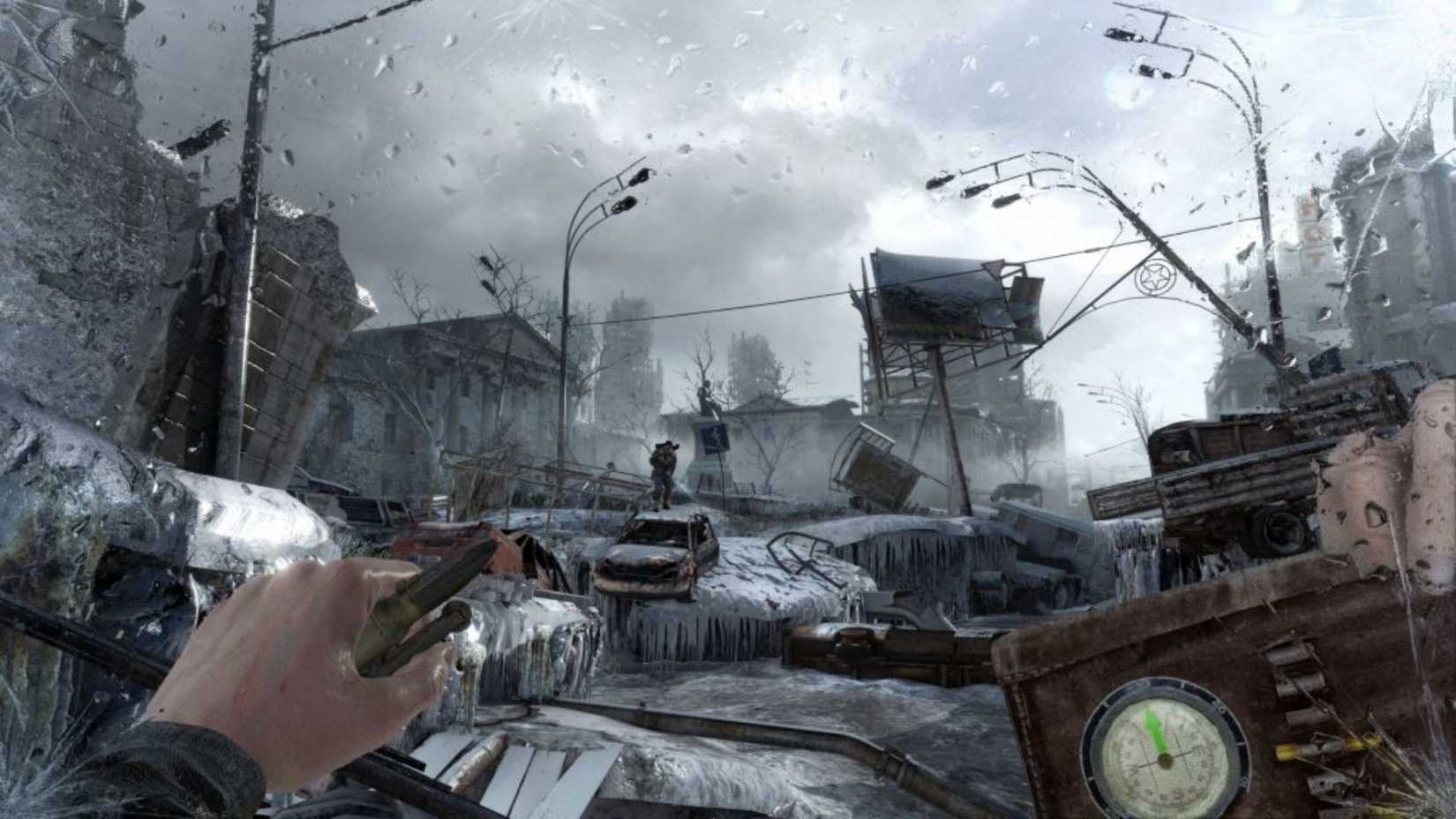
Metro 2033 drops players into the Moscow metro system twenty years after nuclear war. The surface is irradiated and crawling with mutants. The tunnels are controlled by fascists, communists, and bandits. Breathable air requires gas mask filters that deplete in real time, and the mask itself cracks when damaged, fogging the player’s vision. Even the lighting is unreliable, as players have to manually charge their flashlights by pumping a hand-crank generator.
The military-grade ammunition system gives Metro 2033 its defining survival mechanic. Pre-war bullets are both the game’s currency and its most powerful ammunition. Players can spend them at vendors for supplies or load them into weapons for extra damage, but every round fired is money gone. The tension of choosing between economic survival and combat survival turns every firefight into a tactical decision that no other shooter has replicated.
Planet 4546B (from Subnautica) Gets More Terrifying the Deeper Players Dive
Subnautica Key Art from Unknown Worlds EntertainmentImage via Unknown Worlds Entertainment
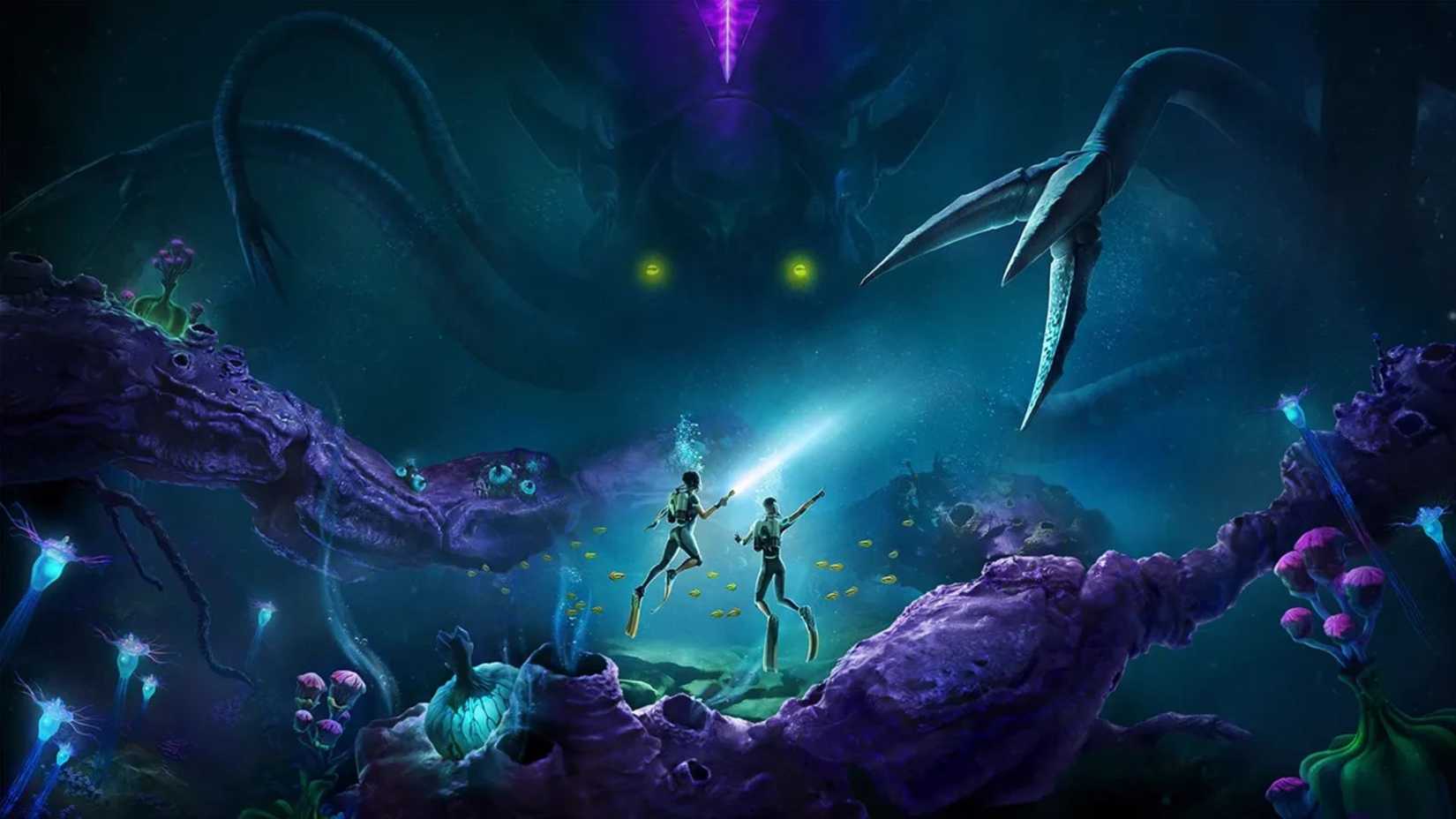
Subnautica’s alien ocean world starts as a sun-drenched survival sandbox — coral reefs, tropical fish, a crashed spaceship to scavenge. Then the game asks players to go deeper under the water. The biomes below shift from colorful to bioluminescent to pitch black, and the creatures get bigger — much bigger. Leviathan-class predators patrol the deep zones, and encountering a Reaper Leviathan screaming out of the darkness for the first time is one of gaming’s most terrifying moments. The game has no weapons. There’s nothing designed to fight back against a creature the size of a building.
Subnautica uses depth as a difficulty curve, both literal and psychological. The deeper the player goes, the scarcer the resources and the more hostile the environment. The game never forces the player to dive deeper — it just puts everything they need to survive at the bottom of the ocean. Going deeper is always a choice, and that’s what makes the fear land. The ocean isn’t attacking the player. It’s just indifferent to whether they make it back to the surface. Although a messy legal battle between the developers and their parent company nearly killed it, Subnautica 2 is finally coming to Steam in 2026.
The Zone (from S.T.A.L.K.E.R.) Is an Open-World Nightmare That Fights Back
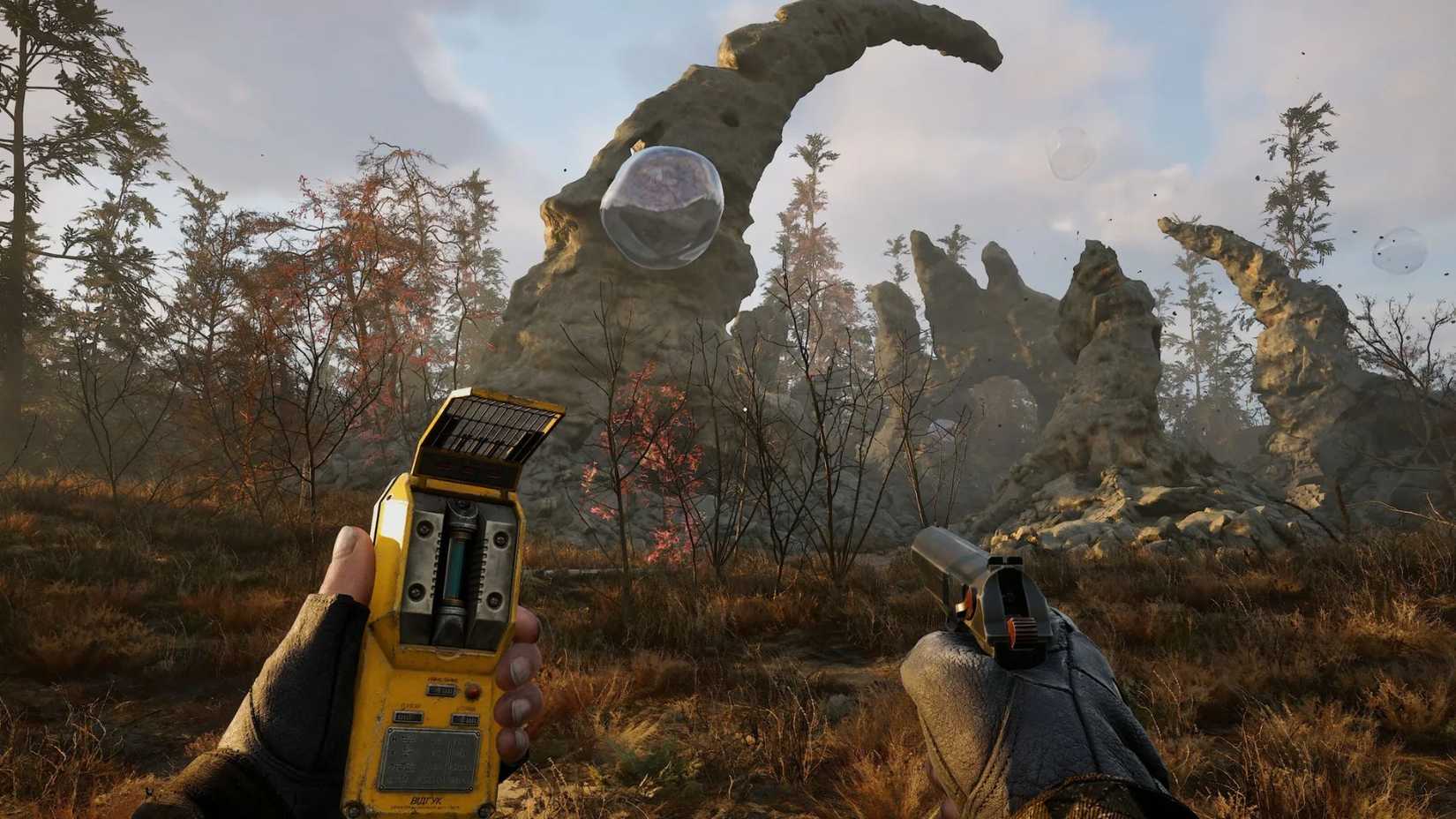
S.T.A.L.K.E.R. 2: Heart of Chornobyl Key Art from GSC Game WorldImage via GSC Game World
In the Zone, a fictionalized Chernobyl Exclusion Zone in GSC Game World’s S.T.A.L.K.E.R.: Shadow of Chernobyl, anomalies warp physics, mutants roam in packs, and hostile factions wage territorial wars. Radiation pockets are invisible until a Geiger counter starts screaming that the player is dying. Gravitational anomalies crush players in seconds. Massive energy storms called blowouts force everyone underground or kill them outright.
What makes The Zone so hard to survive is that it’s an ecosystem, not a level. The game’s A-Life AI system simulates animal and faction behavior independently of the player. Creatures hunt each other. Factions fight over outposts. The world operates on its own schedule, and the player is just another organism trying not to get eaten, shot, or irradiated. S.T.A.L.K.E.R. 2: Heart of Chornobyl finally arrived in 2024, after a development cycle disrupted by the Russian invasion of Ukraine.
Pogoren Forces Players to Steal From Civilians to Keep Their People Alive
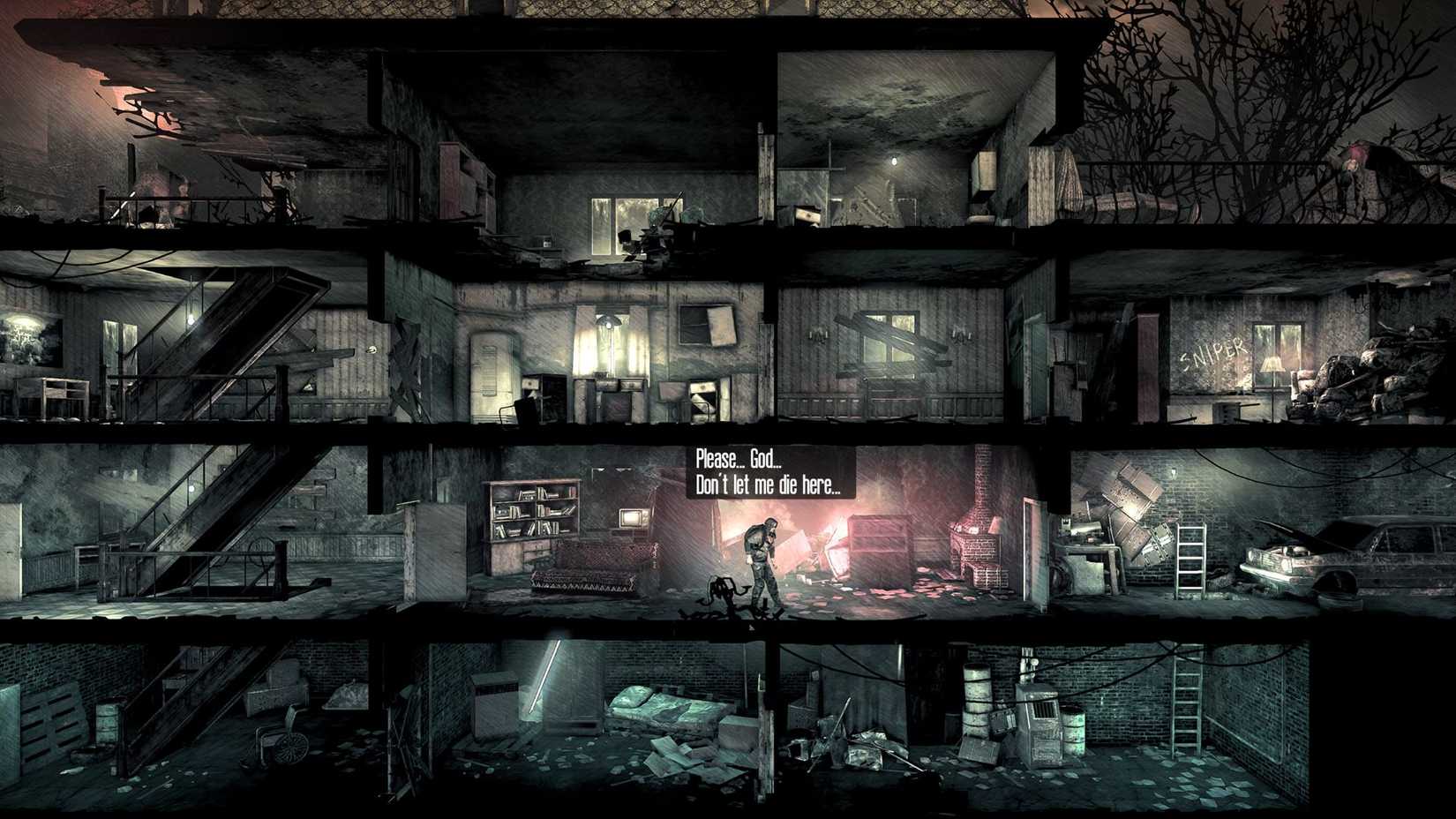
This War of Mine key art from 11 Bit StudioImage via 11 Bit Studio
This War of Mine isn’t about soldiers. It’s about civilians trapped in a besieged city called Pogoren, based on the Siege of Sarajevo. Players manage a group of survivors in a bombed-out shelter, scavenging for food, medicine, and materials during nighttime raids. The dangers are straightforward — snipers, hostile scavengers, illness, depression — but the game’s cruelty is in the choices it forces. Raiding an elderly couple’s home for medicine because people are dying. Turning away a family with children because there isn’t enough food.
This War of Mine makes guilt a survival mechanic. Characters who witness or participate in morally devastating acts become depressed, stop working, refuse to eat, and can eventually take their own lives. The game doesn’t judge the player through cutscenes or dialogue — it judges through consequences that play out in the survivors’ behavior. This War of Mine is one of gaming’s sharpest pieces of social commentary, and the horror comes entirely from what the player chooses to do.
Sevastopol Station (from Alien: Isolation) Has Only One Alien, But It Knows Where You Hide
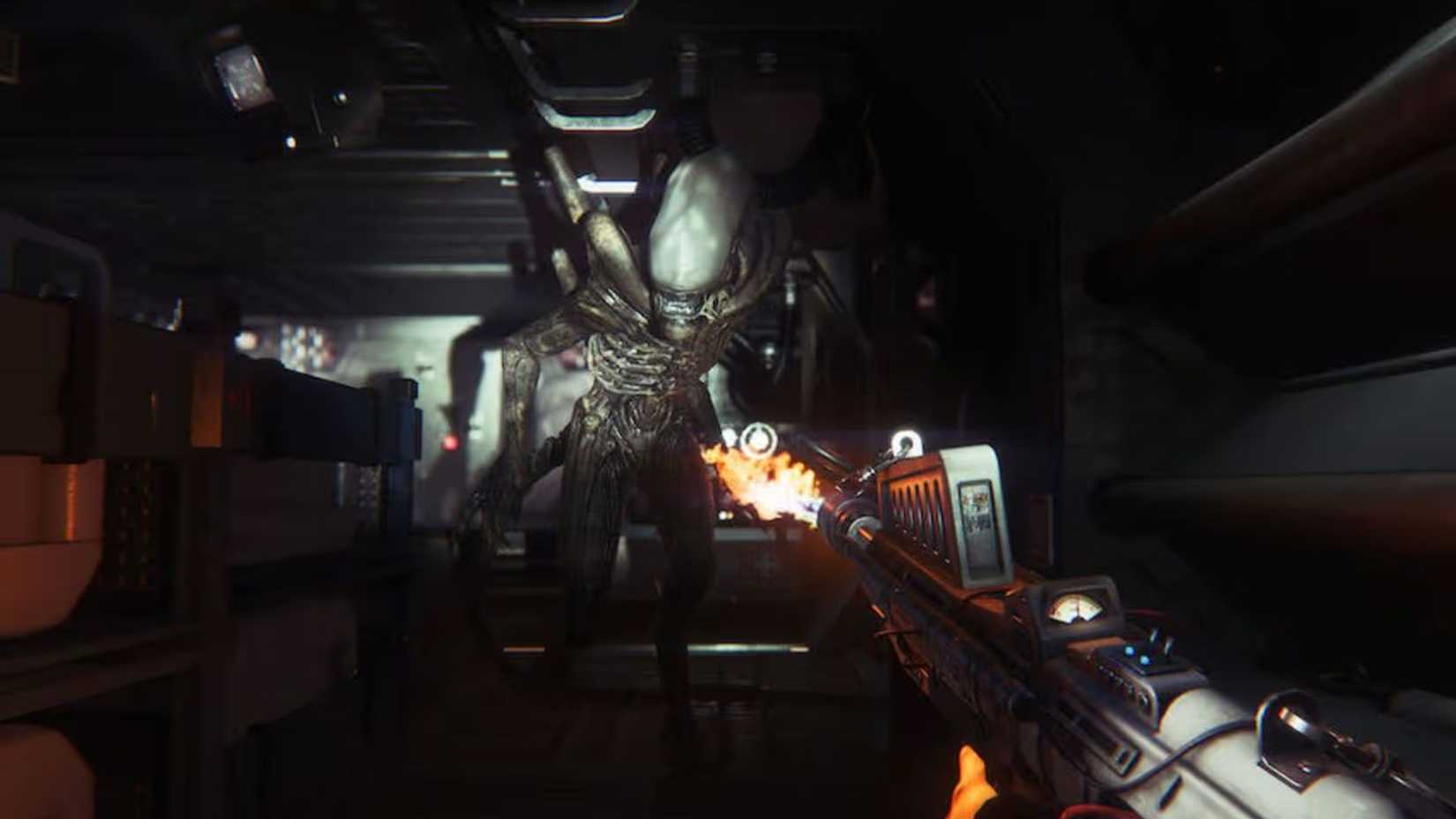
Alien: Isolation key art from Creative AssemblyImage via Creative Assembly
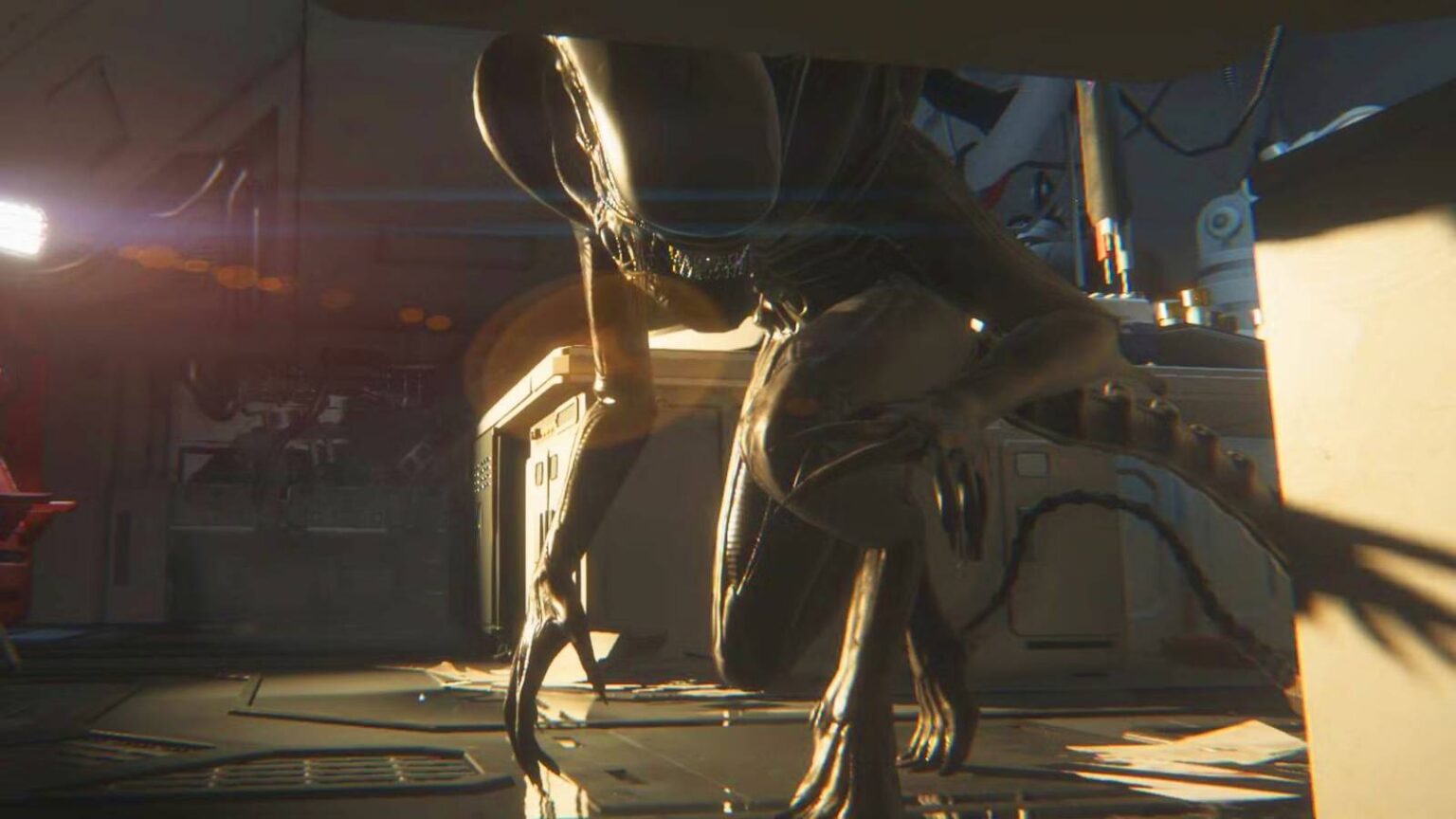
Creative Assembly built Alien: Isolation around a single xenomorph on a derelict space station, and the AI behind that creature is what makes Sevastopol Station one of gaming’s most hostile environments. The alien can’t be killed. It can only be briefly deterred with fire, noisemakers or flares. What’s most terrifying is that it learns and adapts to the player. Hiding in lockers or crouching under desks too often informs the alien, and it adjusts its searches. The xenomorph doesn’t follow scripted patrol routes; it hunts based on sound, sight, and behavioral patterns.
The rest of Sevastopol is barely safer. Malfunctioning androids attack on sight. Desperate survivors shoot first. Every interaction with a door panel or rewiring kit takes just long enough to make the player vulnerable. The game recreates the slow, suffocating dread of the original 1979 film, and the result is a survival horror experience built on one terrifying idea: the monster is smarter than the player. An Alien: Isolation sequel is now in development, and the biggest question is whether Creative Assembly can make the xenomorph even more frightening.
The USG Ishimura Is a Mining Ship Where the Dead Don’t Stay Dead
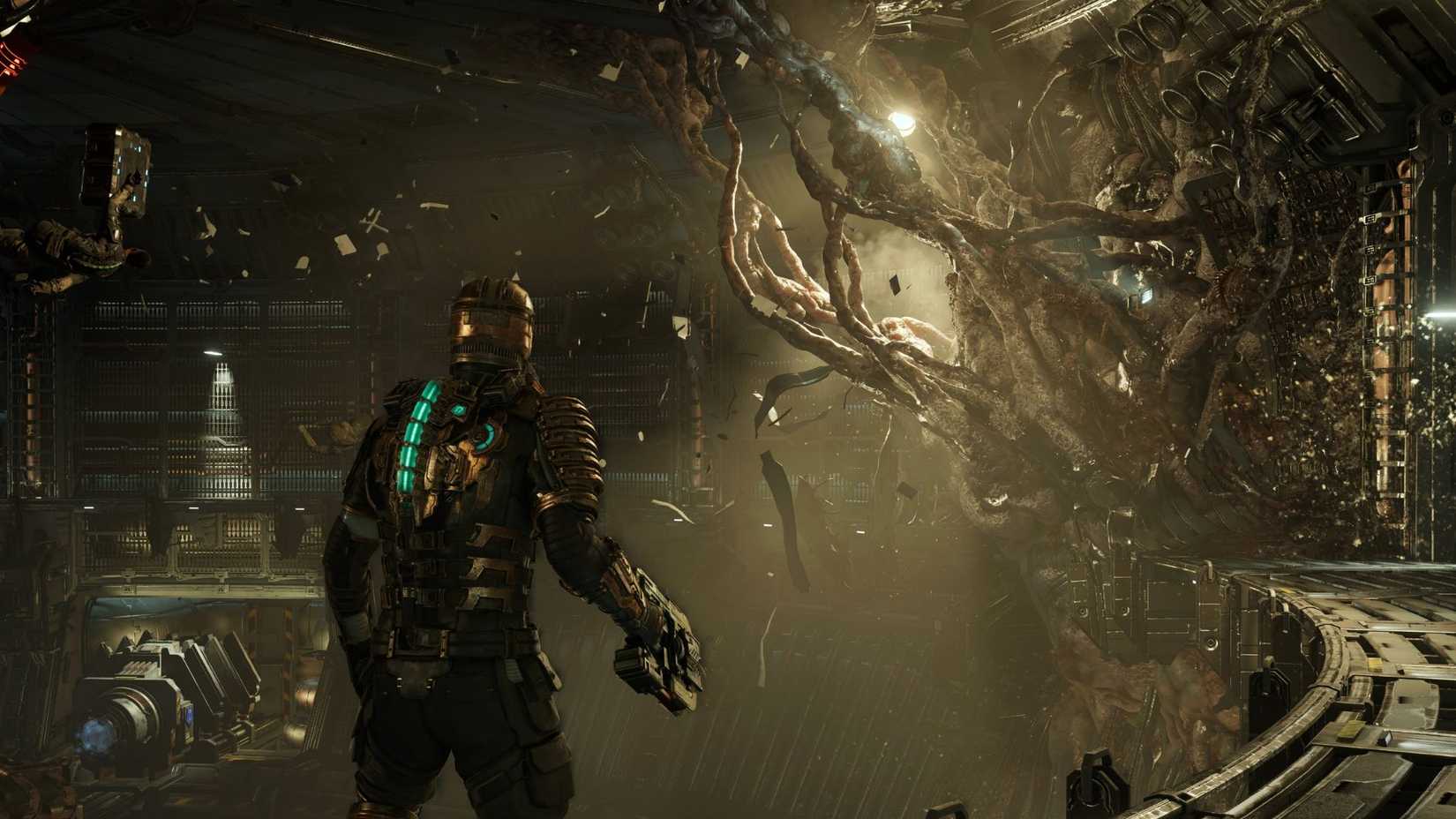
Dead Space key art from Visceral GamesImage via Visceral Games
The planet-cracking mining vessel at the center of Dead Space is a masterclass in hostile environment design. The corridors are narrow, poorly lit, and full of vents that creatures can burst from without warning. The ship’s crew has been killed and reanimated by an alien organism, transforming their corpses into Necromorphs, fast, aggressive creatures that can only be stopped by severing their limbs. Shooting center mass does almost nothing.
Dead Space’s strategic dismemberment system turns every encounter into a resource puzzle. Players can’t spray and pray. They have to aim carefully, sever limbs efficiently, and stomp corpses to make sure they stay down. The Ishimura tells the story of the crew’s collapse through audio logs and environmental details that get progressively worse as Isaac descends deeper into the ship. But the Isihimura is just the beginning. Dead Space’s lore runs deeper than most horror franchises, with a centuries-spanning backstory involving religious cults, planet-cracking corporations, and alien obelisks that drive entire populations insane.
Rain World’s Ecosystem Treats the Player as Prey, Not a Protagonist
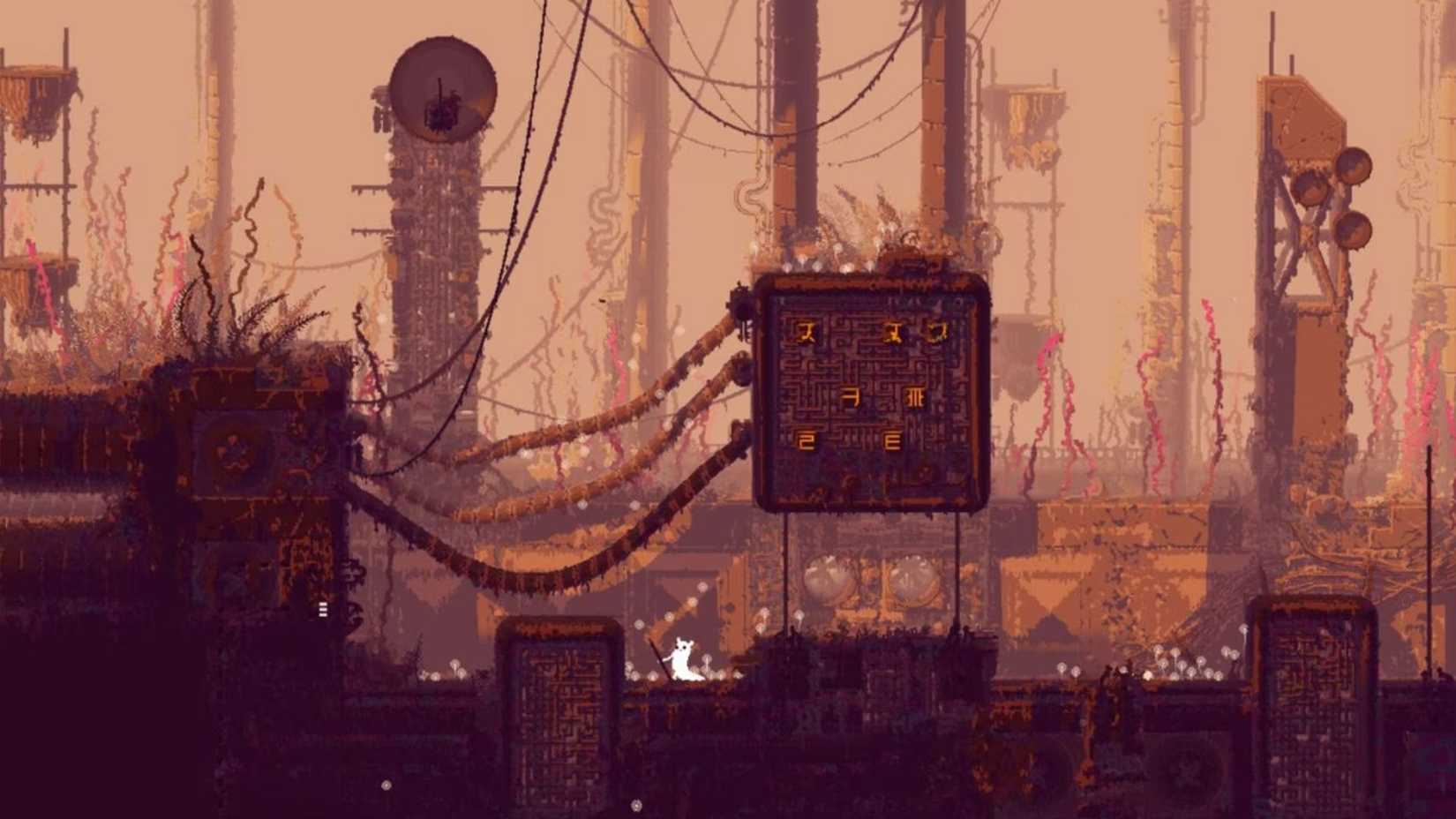
Rain World key art from VideocultImage via Videocult
Rain World drops the player into an abandoned industrial landscape as a slugcat, a small, fragile creature near the bottom of the food chain. Everything is bigger, faster, and hungrier. Lizards stalk through pipes. Vultures circle overhead. Pole plants disguise themselves as terrain and grab anything that passes. Rain World shares similar DNA to Hollow Knight, and fans of that game would love this one. Gameplay involves precise movement and hostile world design, but pushes the difficulty even further by removing any sense of player progression. Periodic rainstorms flood the world and kill anything caught outside shelter.
What makes Rain World uniquely punishing is that the ecosystem doesn’t scale to the player. There is no leveling up, no power curve, no moment where the slugcat becomes dominant. The food chain is permanent. Players survive by learning animal behavior, memorizing safe routes, and accepting that some areas are simply too dangerous. The creature AI is procedural, meaning the same lizard won’t patrol the same path twice.
Lordran Is Dying, and Everything That Lives In It Has Already Given Up Hope
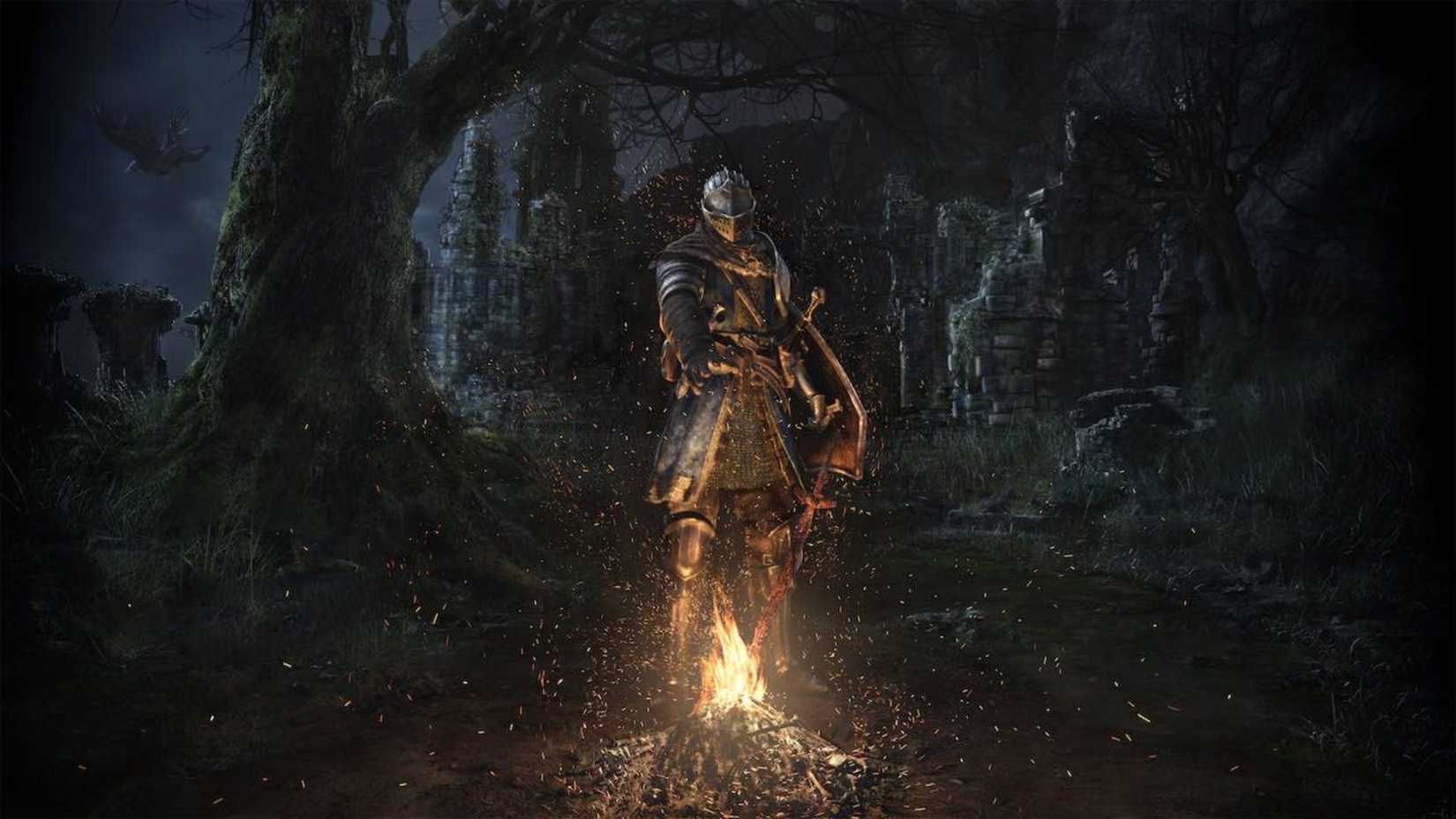
Dark Souls key art from FromSoftwareImage via FromSoftware
FromSoftware’s Lordran, the decaying world of Dark Souls, is in the final stages of entropy. The gods have fled or gone mad. The undead curse has hollowed out entire civilizations. Every creature the player encounters is either dying, corrupted, or trapped in a cycle they can’t escape. Dark Souls’ hardest areas have become legendary for a reason. Grom Blighttown’s poison swamps to Anor Londo’s Silver Knight archers, the world communicates its hostility through level design: paths that loop back on themselves, shortcuts hidden behind illusory walls, and enemies positioned specifically to punish carelessness.
The mechanic that makes Lordran feel the most brutal is the bonfire system. Resting at a bonfire heals the player and restocks items, but also respawns every enemy in the area. Progress is measured in inches. Souls — the game’s currency and experience points — are dropped on death and permanently lost if the player dies again before recovering them. The result is a world where moving forward feels like a negotiation with inevitability.
The Solar System Has 22 Minutes Before the Sun Explodes
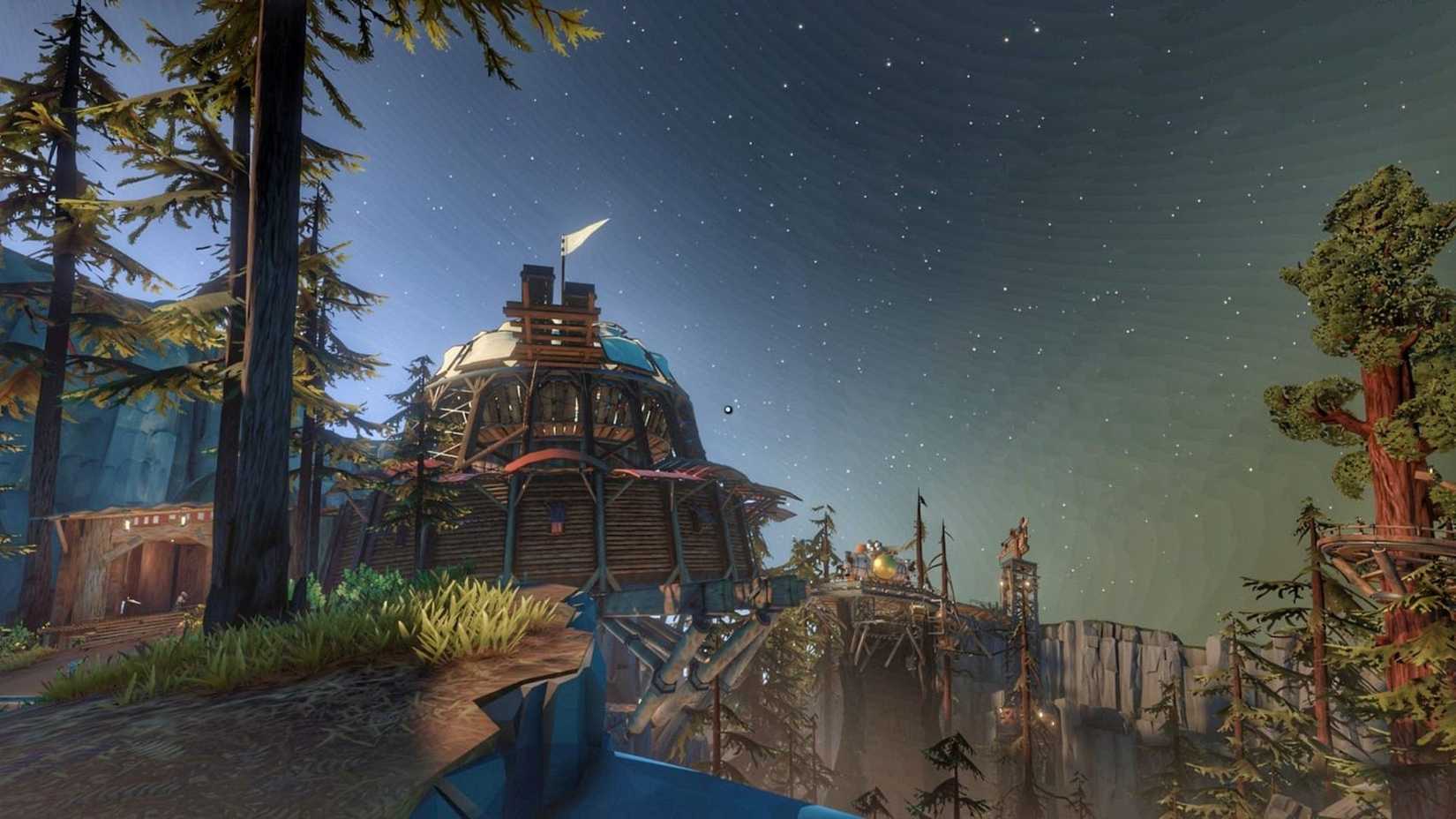
Outer Wilds key art from Mobius DigitalImage via Annapurna Interactive
Outer Wilds doesn’t have enemies, combat, or a health bar. Instead, the player is an alien astronaut from a small planet exploring a small solar system that explodes blindingly every 22 minutes when the sun goes supernova — and then loops back again. Every planet is actively hostile — one is covered in rising sand that buries entire structures, another is a hollow shell collapsing into a black hole, a third has cyclones that launch the player’s ship into space. Death is frequent, inevitable, and meaningless in the traditional sense, because the loop always resets.
What makes this solar system the hardest world to survive isn’t physical danger; it’s the knowledge that survival is impossible. The time loop ensures that every discovery the player makes is ultimately pointless unless they can piece together the puzzle of why the sun is dying. The only thing that carries between loops is information. Outer Wilds has multiple endings, all shaped by what the player learned — or didn’t — before the clock ran out. The game turns knowledge into the only real resource, and makes the player confront the fact that the universe doesn’t care whether they figure it out before they die.