
NEED TO KNOW
The Eta Aquarid meteor shower is fueled by debris from Halley’s Comet, creating streaks of ancient cosmic dust
Meteors can travel up to 148,000 mph, with up to 50 shooting stars visible per hour during peak times
Viewers in the Southern Hemisphere get the best show, but pre-dawn hours offer great views across the U.S.
The sky is about to put on one of its most mesmerizing shows, and if you’re willing to wake up before sunrise, the Eta Aquarid meteor shower will absolutely dazzle you!
This meteor shower is known for its speed, and according to NASA, the Eta Aquarid meteor shower can see meteors traveling around 148,00 mph into Earth’s atmosphere. But if you’re wondering what all the fuss is about, this can result in as many as 50 shooting stars an hour.
“Meteors come from leftover comet particles and bits from broken asteroids,” per NASA. “When comets come around the sun, they leave a dusty trail behind them.”
Active from mid-April through late May, this cosmic display is powered by debris left behind by Halley’s Comet, meaning every streak of light you see is essentially ancient cosmic dust burning up in Earth’s atmosphere.
It usually peaks at the beginning of May and is expected to reach its apex between the evening of Tuesday, May 5, and the morning of Wednesday, May 6, this year.
The Eta Aquarids are known for their fast, glowing meteors that leave lingering trails, giving the display a dramatic, almost cinematic quality.
While the Southern Hemisphere gets the most intense show, viewers across the U.S. can still catch a steady stream of meteors, especially in the hours before dawn when the sky is darkest.
Here’s everything you need to know about this stellar event.
When does the Eta Aquarid meteor shower peak?
The Eta Aquarids are expected to peak in the early morning hours of Tuesday, May 5, into Wednesday, May 6, 2026, with the best viewing window just before sunrise.
According to Time and Date, activity builds in the days surrounding the peak, so mornings from Tuesday, May 4, through Thursday, May 7, can still offer strong viewing opportunities.
Where does the Eta Aquarid meteor shower appear in the sky?
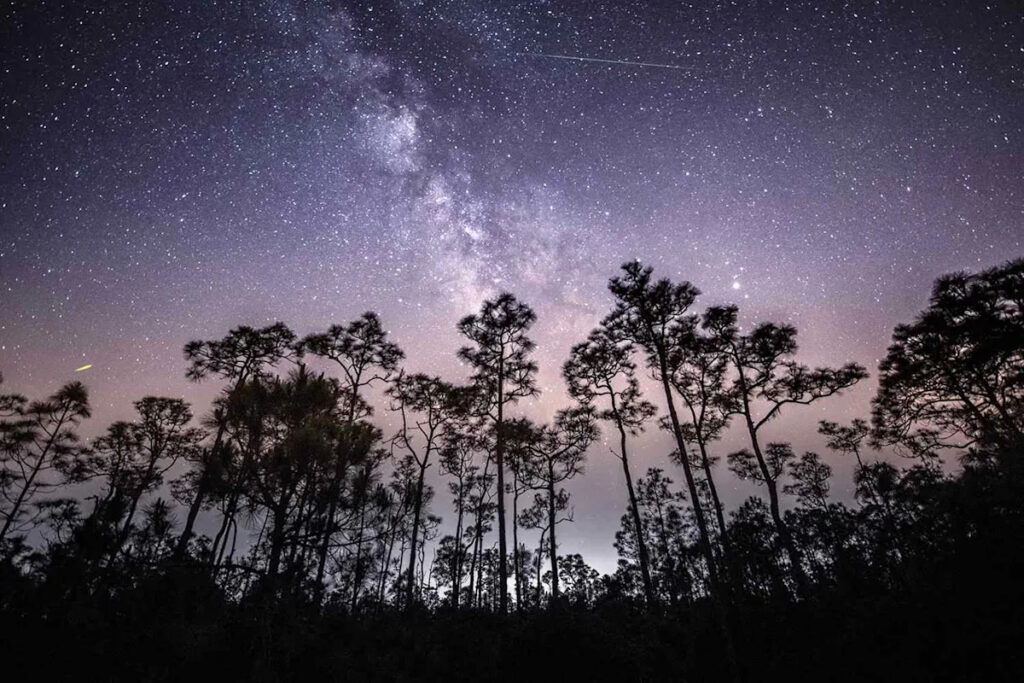
Milky Way During Eta Aquariids
Credit: Getty
The meteors appear to radiate from the constellation Aquarius, which rises in the eastern sky during the pre-dawn hours.
However, experts at the American Meteor Society emphasize that you don’t need to stare directly at the shower, as meteors can streak across any part of the sky. This means a wide, unobstructed view is ideal.
How to watch the Eta Aquarid meteor shower from Earth?
You don’t need a telescope to catch a glimpse of the meteors, just patience and a good vantage point!
NASA recommends heading to a dark location away from city lights, allowing your eyes about 20 to 30 minutes to adjust, and watching during the pre-dawn hours when meteor rates are highest.
Lying flat and scanning the sky increases your chances of catching those long, fast trails the Eta Aquarids are known for.
What meteor shower comes after the Eta Aquarid?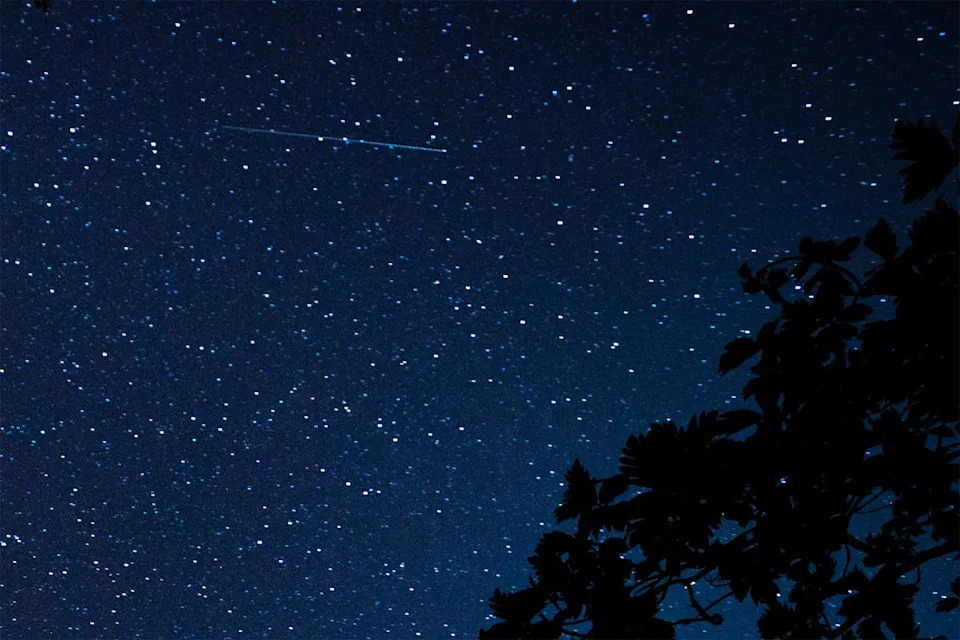
Annual perseid meteor
Credit: Thilina Kaluthotage/NurPhoto via Getty
Following the Eta Aquarids, the next major meteor shower is the Arietids.
According to Earth Sky, the Arietids are a daytime shower that peaks around June 10, 2026, with activity lasting from May 22 through July 3.
Read the original article on People