
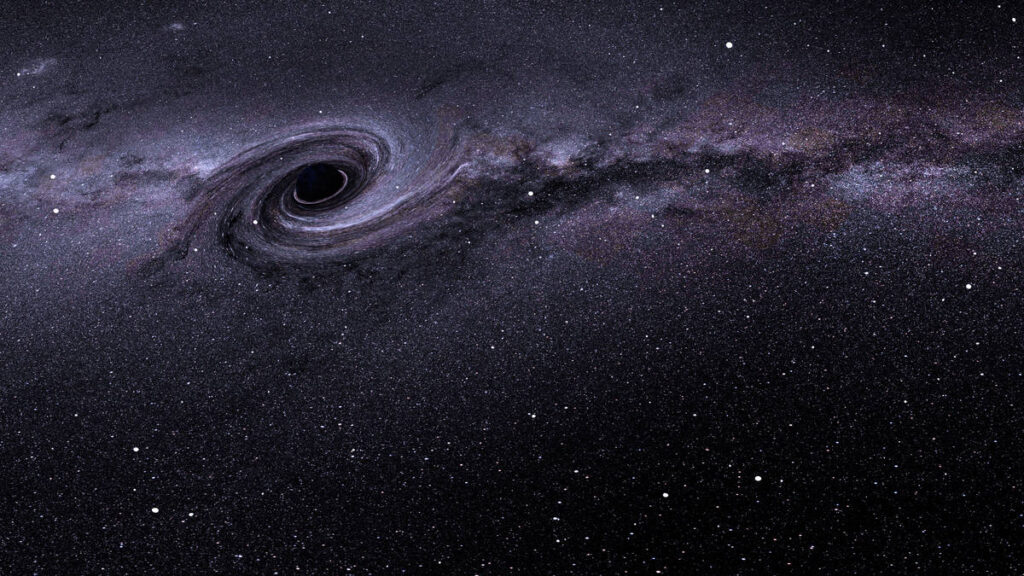
New research suggests the universe will collapse in on itself in approximately 19.5 billion years in a domesday event known as the “Big Crunch.”
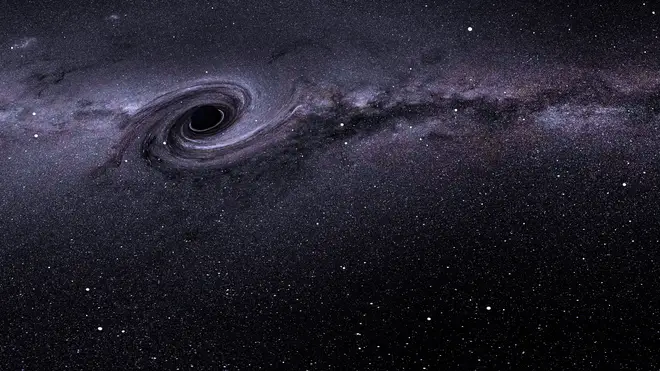
Scientists reckon the demise of the cosmos will occur 33.3 billion years after the Big Bang.
Picture:
Alamy
Scientists now believe the universe will end trillions of years sooner than originally expected.
New research suggests the universe will collapse in on itself in approximately 19.5 billion years, in a domesday event known as the “Big Crunch.”
Scientists reckon the demise of the cosmos will occur 33.3 billion years after the Big Bang.
The universe is 13.8 billion years old – leaving it with less than 20 billion years to go.
Read more: Nationwide switch to digital landlines less than a year away
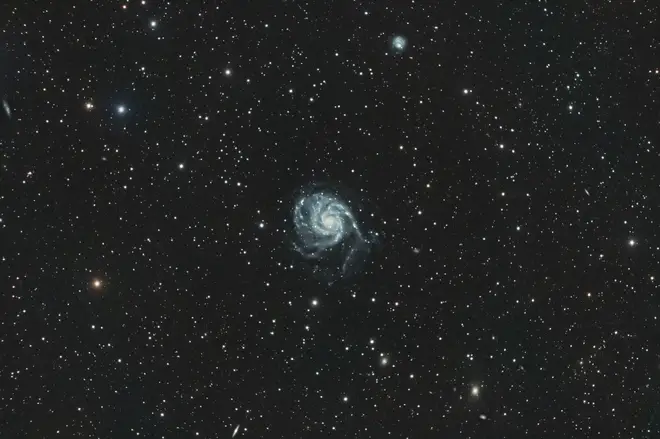
The ‘Big Crunch’ will see the all the galaxies, stars, and planets, fold in towards a single point.
Picture:
Alamy
The ‘Big Crunch’ will see the all the galaxies, stars, and planets, fold in towards a single point.
Everything in existence including the Earth will be violently destroyed and engulfed by black holes.
The scientists state in their pre-print paper: “‘Eventually, it is plausible that the universe ends in giant black holes.”
Read more: Team behind gene therapy that restores lost vision win $3 million ‘Oscar of science’ award
Read more: UK space company to take advantage of thriving market by raising £350mil
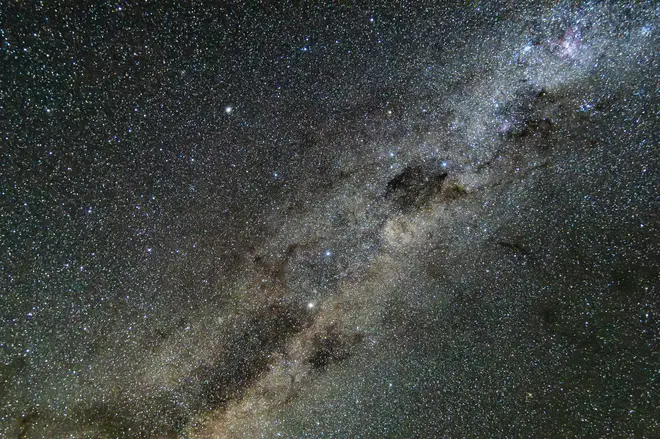
The universe is 13.8 billion years old – leaving it with less than 20 billion years to go.
Picture:
Alamy
The research, conducted at Donostia International Physics Centre in Spain, suggests the universe is 41 per cent through its life-span.
Measured against the average human life span, it has effectively reached its thirties.
The study departs from the prior assumption that the universe would continue expanding due to dark energy – the esoteric force driving the universe apart.
Fresh data from instruments, including the Dark Energy Survey Instrument of 47 million galaxies, has upended that theory by discovering that dark energy is not a constant but actually changes over time.
If true, this suggests the expansion might stall and even reverse, dragging all matter back together into a single point, just like it was before the Big Bang.
The researchers said: “Using the best-fit values of the model as a benchmark, we find the lifespan of our universe to be 33 billion years.”
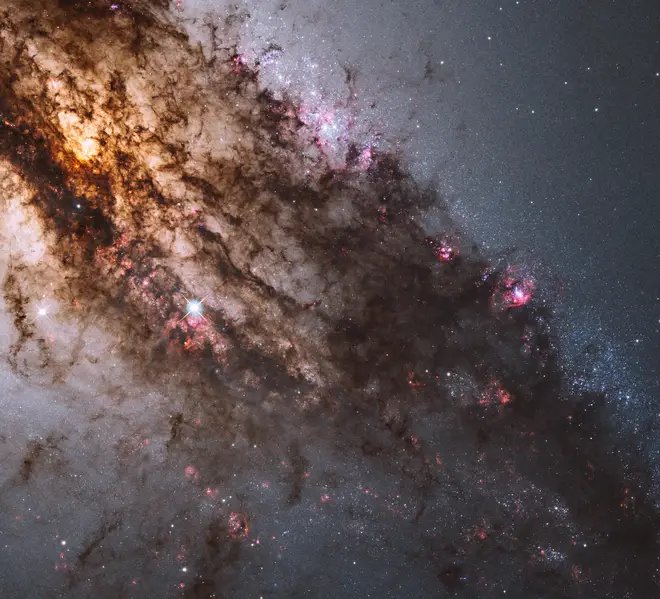
The scientists state in their pre-print paper: “‘Eventually, it is plausible that the universe ends in giant black holes.”.
Picture:
Alamy
Lead author Dr Hoang Nhan Luu and his co–authors said the Big Crunch would “enhance the formation of black holes, in particular the merging of black holes.”
They added: “As the universe is collapsing, one can imagine that matters are push together to form a giant black hole, which in turn shields/hides the crunch singularity.”
This probably won’t matter for future inhabitants of the Earth, though, with Dr Luu writing that the Milkyway could collide with its largest neighbour, the Andromeda galaxy, in approximately 4-10 billion years.
However the authors noted the latest data has only just been collected and scientists still need time to check the data.
The first papers on the authors’ observations are not expected to be published until next year.
Dr Luu said more data was needed before the team’s determination of the universe’s lifespan could be confirmed.