
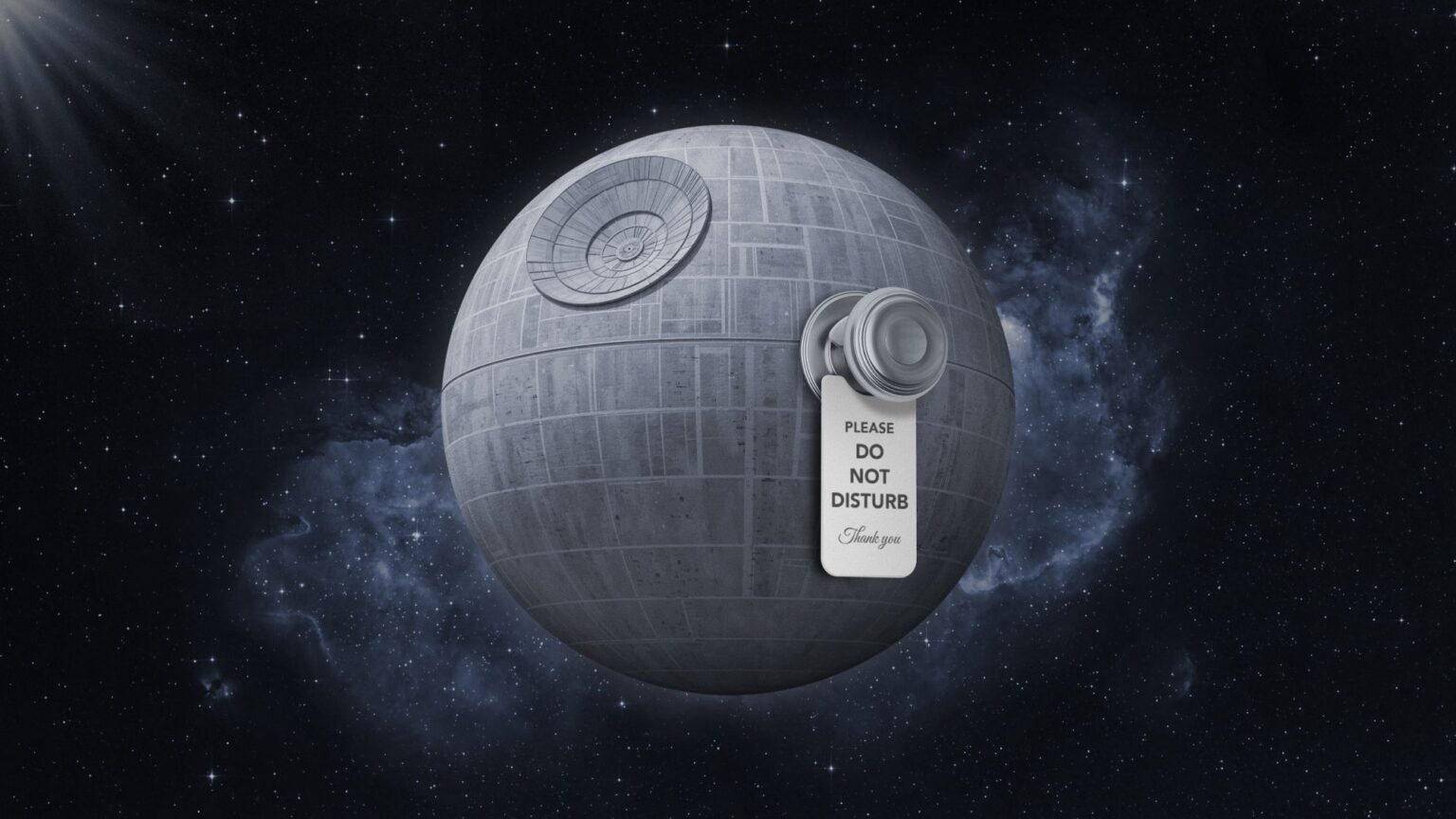
Companies want to fly you to the moon and let you stay among the stars. Four startups are developing and launching commercial space stations in prime locations like the planet’s orbit, the moon and maybe even Mars.
Galactic Resource Utilization (GRU) Space wants to go beyond Earth’s orbit. It plans to run its first mission in 2029 and operate a lunar hotel in 2032, according to its website. The startup hopes to “engineer the infrastructure required to harness resources and sustain on new worlds, ultimately creating a self-sufficient industrial autonomy on the moon, Mars and beyond,” said a company white paper.
Those “interested in a berth” just have to “plunk down a deposit between $250,000 and $1 million, qualifying them for a spot on one of its early lunar surface missions in as little as six years,” said Ars Technica. The hotel’s clientele is “expected to be participants of previous commercial space flights and rich, adventurous newlyweds looking for an out-of-this-world honeymoon experience,” said Space.com (a sister site of The Week).
Article continues below
You may like
The Week
Escape your echo chamber. Get the facts behind the news, plus analysis from multiple perspectives.
SUBSCRIBE & SAVE
Sign up for The Week’s Free Newsletters
From our morning news briefing to a weekly Good News Newsletter, get the best of The Week delivered directly to your inbox.
From our morning news briefing to a weekly Good News Newsletter, get the best of The Week delivered directly to your inbox.
‘Inflection point’ with challenges
So far, lunar exploration is limited to government missions and large companies like SpaceX. “I realized we needed to create a third pillar: the space tourism industry,” said Skyler Chan, the founder of GRU Space, to Ars Technica. “We could extend a proven market to the Moon and build the first hotel there. And then once we build the hotel on the Moon, we can build out our structures,” like “roads, warehouses and bases.”
“We live during an inflection point where we can actually become interplanetary before we die,” said Chan in a statement. “If we succeed, billions of human lives will be born on the moon and Mars and be able to experience the beauty of lunar and Martian life.”
The “shift from public to private space stations, a first in human history, brings with it new opportunities for reimagining what life in orbit will look like,” said Scientific American. But as of now, “even with all the best intentions, there are some aspects of living in a confined space in orbit that, for now, can’t be made plush.”
“Maintaining a comfortable, clean atmosphere, much less a five-star experience, on a functioning spaceship will present all kinds of hurdles,” said Scientific American. “I’m skeptical,” said Jeff Nosanov, a former NASA proposal manager, to the outlet. The “challenges of keeping a space station functional are very underappreciated.” The first space hotel is set to launch next year.